If you think a new appliance is a simple upgrade, you might be overlooking a hidden danger lurking in your walls. I learned this the hard way when a routine test of a brand-new dryer nearly set my parents' house on fire--twice.
I was in Honolulu for the holidays, excited to test the newly remodeled in-law unit designed for my family. We had just spent $41,000 on renovations, and I was determined to ensure everyone had a comfortable, safe place to stay. The last thing I expected was that the most dangerous element wouldn't be a construction flaw, but a 55-year-old electrical connection.
The Smell of Danger
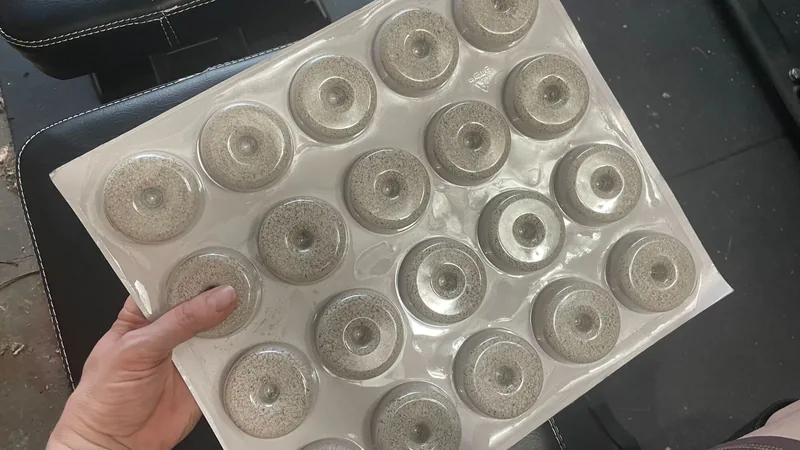
It started with a faint, acrid odor. My wife had just loaded the brand-new dryer for a quick 30-minute test run. Seventeen minutes in, the room filled with the unmistakable scent of burning plastic and metal. My heart sank. We stopped the machine immediately and I rushed outside to inspect the vent. There, I found a half-painted metal mesh ball stuffed in the exhaust--a crude bug deterrent left by a previous occupant. I assumed that was the culprit and, feeling relieved, let the cycle finish while airing out the room.
But the smell lingered for two days. We stopped using the new AC units and pulled the fridge away from the wall, trying to isolate the source through a process of elimination. When the odor finally faded, I felt confident we had solved the mystery. I was wrong.
A Second Near-Miss
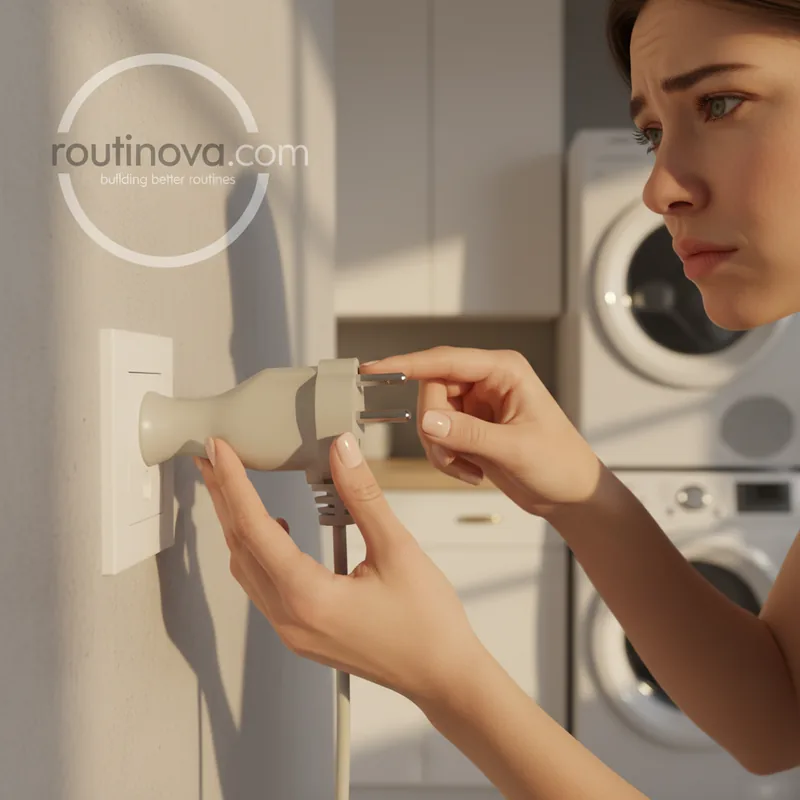
Two days later, we decided to try the dryer again. This time, the burning smell returned in just twelve minutes. The vent was clear, but the stench was undeniable. That's when I decided to touch the electrical plug. It was burning hot to the touch. I turned off the machine, waited, and unplugged it. One of the prongs was visibly burned, and the wall receptacle remained dangerously warm.
A quick online search confirmed my worst fears. The dryer wasn't the problem; the 55-year-old wiring behind it was. A loose screw in the wall outlet had likely been degrading for decades, creating high resistance that generated extreme heat every time the dryer ran. This is a classic recipe for an electrical fire, which often starts internally before flames ever become visible (NFPA, 2023).
The Invisible Risk in Older Homes
The electrician I called the next morning confirmed my diagnosis immediately. He opened the receptacle to find a positive wire that had been slowly cooking itself for years, likely accelerated by past moisture leaks. This highlights a critical misconception: breakers trip on excess current, not excess heat. Without a dedicated ground wire--a feature missing from the old three-prong outlet--the system had no way to protect against this specific type of thermal failure.
Appliances are like investments. You can have the best intentions and equipment, but if the infrastructure behind them is flawed, your risk is far higher than you realize.
This isn't an isolated issue. A friend of mine in a historic neighborhood faced a similar crisis when a new high-wattage space heater triggered a meltdown in a daisy-chained outlet that had been hidden behind a bookshelf for years. Another neighbor discovered their central AC unit was causing a slow, smoldering burn inside an old breaker panel, a hazard that only became apparent during a routine inspection.
Critical Safety Lessons Learned
The electrician replaced the ancient three-prong outlet with a modern four-prong receptacle, which includes a dedicated ground wire for proper safety shutoff. The entire fix cost $266--a bargain compared to the potential loss of a home and family. Here are the essential takeaways for anyone working on an older property:
- Inspect before you install: Always have a qualified electrician check the wiring and amperage capacity before plugging in high-draw appliances like dryers, ovens, or hot tubs. (Harvard Health, 2024)
- Upgrade outdated outlets: Modern four-prong dryer outlets provide a critical safety ground. If you have three-prong outlets, make upgrading them a priority.
- Never leave new appliances unattended: For the first several uses, stay nearby. A burning smell is your final warning before a potential catastrophe.
- Know your home's history: If your house has knob-and-tube wiring or aluminum wiring, it requires specialized attention and may be uninsurable until upgraded.
- Install ABC fire extinguishers: Keep one on each floor and in the laundry room. Test smoke detectors monthly.
Bigger Picture Reflections
This experience was a stark reminder that preparation and vigilance are everything. Just as I track my financial portfolio to avoid catastrophic losses, I now realize home maintenance requires the same level of active oversight. A small oversight in a wire connection nearly wiped out a significant investment and, more importantly, endangered my family.
Whether it's your finances or your home's infrastructure, the principle is the same: the foundation matters more than the surface. Don't let a beautiful renovation mask a dangerous reality hidden in the walls.
Frequently Asked Questions
What causes a dryer to smell like it's burning?
A burning smell from a dryer can be caused by lint buildup in the vent, a worn-out belt, or, more dangerously, faulty electrical wiring in the plug or wall outlet. If the plug or outlet is hot to the touch, stop using the appliance immediately.
How can you tell if an outlet is failing?
Signs of a failing outlet include discoloration, a burning smell, appliances that work intermittently, or the outlet faceplate feeling warm. These are all signs of arcing or high resistance and require immediate professional attention.
Should I upgrade old electrical wiring?
Yes. If your home was built before 1980, it's wise to have an electrician inspect the wiring. Upgrading from two-prong to three-prong (or three-prong to four-prong for dryers) and replacing old wiring significantly reduces fire risk and may be required for home insurance coverage.
What is the safest way to use a new appliance?
Always read the manufacturer's installation guide, ensure the outlet and circuit are rated for the appliance's power draw, and run a test cycle while staying home to monitor for any unusual sounds or smells for the first few uses.