The relentless buzz of mosquitoes can turn any pleasant evening outdoors into an itchy ordeal. You've tried sprays, candles, and maybe even those zapper lanterns, only to find yourself still swatting at tiny bloodsuckers. But what if there was a simple, almost clandestine way to fight back, turning their own breeding grounds against them? Imagine a quiet corner of your yard, a simple bucket, and a secret weapon that targets mosquitoes before they even learn to fly. This isn't science fiction; it's a surprisingly effective method that took me about five minutes to set up, with my daughter doing most of the heavy lifting.
Why the 'Mosquito Death Bucket' Wins
When facing a mosquito invasion, most people think of immediate, often temporary, solutions. You might try to keep them away from you personally with repellents and barriers, or you might attempt to kill adult mosquitoes with foggers. The latter, while satisfying in the moment, is largely ineffective against the sheer numbers mosquitoes can produce. You're essentially making a tiny dent in a massive army (CDC, 2023). The real game-changer, however, lies in disrupting their life cycle at the source: the larval stage.
This is where the 'mosquito death bucket' truly shines. Instead of just scattering repellents or swatting at individual adults, you're actively preventing the next generation from ever taking flight. By creating a single, irresistible breeding site that's fatally flawed for the larvae, you concentrate the problem and solve it efficiently. It's a proactive approach that complements other methods, like diligently removing standing water from less obvious places.
Think of it this way: if you have five small puddles in your yard where mosquitoes can breed, they'll happily use all five. But if you can make four of those disappear by emptying containers and then create one 'death bucket' that lures them into a trap, you've significantly reduced their breeding potential. This strategy is particularly effective in neighborhoods where residents are generally good about managing standing water; the fewer alternative breeding sites, the more likely mosquitoes are to find your trap.
Understanding the Mosquito Life Cycle
To truly appreciate the genius of the mosquito bucket, you need a quick biology lesson. Mosquitoes, like butterflies, have distinct life stages. It all begins with eggs, usually laid on or near water. These hatch into aquatic larvae, those wiggly, worm-like creatures you might see in still water. They breathe through a siphon, often located at their rear end (yes, really!), and feed on microscopic organisms.
After a period of growth, the larvae transform into pupae, also aquatic. This is a non-feeding stage. Finally, the adult mosquito emerges from the pupal skin at the water's surface. For the males and females to live, they need sugar. But for the females to produce eggs, they require a blood meal. This is why they bite us - they're essentially gathering ingredients for their next batch of offspring (World Health Organization, 2022).
The entire cycle, from egg to flying adult, can take as little as a week or two, depending on temperature and species. This rapid reproduction is why a few mosquitoes can quickly become a swarm. Our goal with the death bucket is to interrupt this cycle by ensuring that once eggs hatch, the larvae don't survive to become biting adults.
Is This Method Safe for Your Yard?
One of the most appealing aspects of the mosquito death bucket is its targeted approach. The active ingredient, Bacillus thuringiensis israelensis (Bti), is a naturally occurring bacterium. Bti produces toxins that are specifically harmful to the larvae of mosquitoes, blackflies, and certain gnats. Crucially, these toxins have no adverse effects on mammals, birds, fish, or beneficial insects like bees and butterflies (Environmental Protection Agency, 2021).
So, while it's a death sentence for mosquito larvae, it's harmless to your pets, your garden, and you. However, any container of water, regardless of its purpose, can pose a drowning risk to small children or pets. If your chosen bucket location is accessible to curious toddlers or furry friends, it's wise to add a simple barrier. A piece of chicken wire secured around the top, or a specially designed mesh lid, can prevent accidental falls while still allowing adult mosquitoes access.
Beyond the bucket itself, remember that vigilance against other standing water sources is key. Those forgotten buckets, clogged gutters, or even plant saucers can become unintended nurseries. Addressing these common backyard nuisances alongside your death bucket creates a comprehensive defense system.
How to Set Up This Mosquito Trap
Gathering your supplies is simple and the setup is quick. You'll need:
- A dark-colored bucket (5-gallon buckets are ideal and readily available).
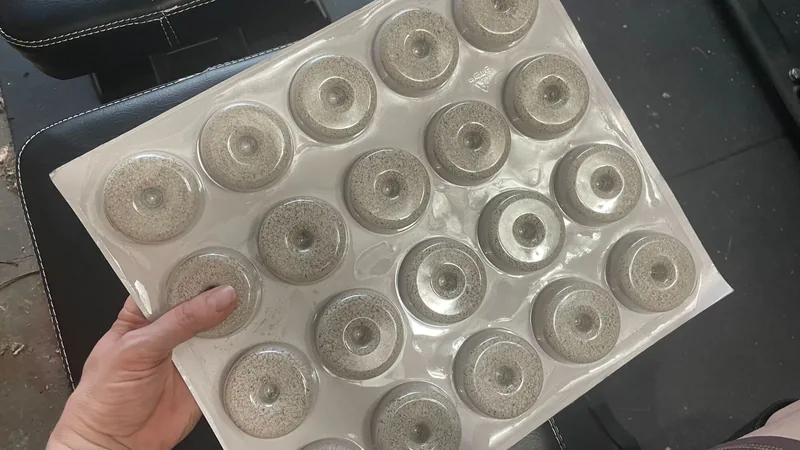
- A package of mosquito dunks or bits containing Bti.
- Some organic material like dry leaves, grass clippings, or hay.
- An optional lid or barrier for safety.
Choose a spot in your yard where mosquitoes tend to congregate or where you've noticed standing water before. My first bucket went near a perpetually damp corner that often collected rainwater. The idea is to create an attractive, albeit poisoned, environment.
Here's the straightforward process:
- Toss a handful of organic matter into the bottom of the bucket. This provides a food source that attracts mosquitoes to lay their eggs.
- Fill the bucket about two-thirds full with water.
- Break a mosquito dunk into quarters (or use the amount recommended on the packaging) and drop it into the water. The Bti will slowly release into the water.
That's it! You've successfully managed to set up this 'mosquito' death bucket. It's a small effort for significant relief.
Maintaining Your Mosquito Defense
The beauty of this system is its low maintenance. One quarter of a mosquito dunk is typically effective for about 100 square feet of water surface area, meaning it should last for approximately 30 days. You'll need to set up this 'mosquito' control by adding a new quarter-dunk to the bucket about once a month throughout the mosquito season.
The cost is minimal. A pack of 20 dunks, often costing around $20, provides enough for several months of protection per bucket. Factor in the cost of a bucket if you don't have one, and you're looking at a very economical solution - perhaps less than $10 for an entire summer of significantly reduced mosquito populations.
If you have a larger yard or multiple problem areas, consider setting up more than one death bucket. Remember, the key to making this strategy work effectively is to ensure your death bucket is the most attractive breeding site available. Continue to eliminate other sources of standing water around your property.
While you won't see results overnight - it takes a few weeks for the mosquito life cycle to complete - consistent maintenance of your bucket and diligent removal of other water sources will lead to a noticeable decrease in mosquitoes. Imagine enjoying your evenings outdoors without the constant threat of bites. By taking this simple step, you can reclaim your yard and make it a place for relaxation, not a buffet for bugs. Ready to set up this 'mosquito' solution?