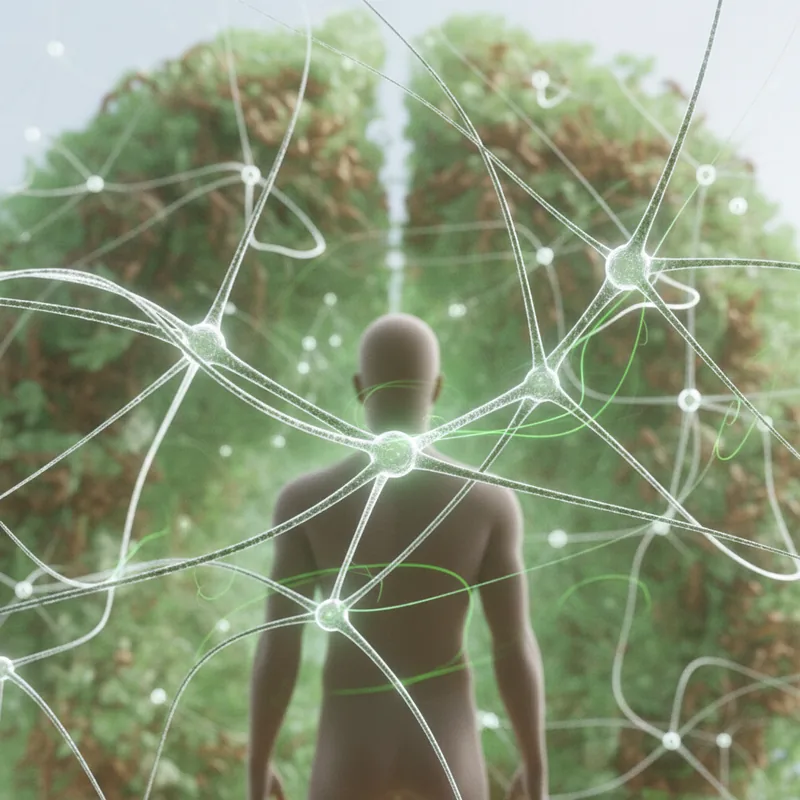
Ever wondered how a simple thought translates into a physical action, or how you instantly react to a sudden sound? It all comes down to an intricate and elegant communication system within your body, orchestrated by specialized cells called neurons. These tiny powerhouses are the fundamental units of your nervous system, and understanding how neurons transmit information is key to grasping everything from learning a new skill to experiencing emotions.
At its core, the process involves a fascinating interplay of electrical impulses and chemical messengers, allowing for rapid-fire communication across vast distances within your body. This sophisticated network enables you to navigate the world, process experiences, and maintain the complex functions that define being alive.
The Neuron: A Specialized Messenger
Think of neurons as the body's biological wiring. They are highly specialized cells designed for one primary purpose: transmitting information. While they share some basic cellular components with other cells in your body, their unique structure and function set them apart, enabling the rapid and complex communication necessary for life.
These nerve cells are the fundamental building blocks of your central and peripheral nervous systems. Without them, you wouldn't be able to walk, talk, think, or even feel a gentle breeze. The way neurons transmit information is a marvel of biological engineering.
Neuron Structure: The Communication Hub
Each neuron is a marvel of biological design, equipped with specific parts to facilitate its role as an information courier. These components work in concert to ensure signals are received, processed, and transmitted effectively.
The three main players in a neuron's anatomy are the cell body, dendrites, and axon. Their shapes and sizes can vary dramatically depending on where they are located and what specific job they perform, but their fundamental roles remain consistent.
The Cell Body (Soma): The Control Center
The cell body, also known as the soma, is the neuron's life support system. It contains the nucleus, the cell's command center, which houses the genetic material and directs protein synthesis essential for the neuron's survival and function. Extending from the cell body are the dendrites and the axon, the neuron's communication conduits.
Dendrites: Receiving the Message
Dendrites are branch-like extensions that sprout from the cell body. Their primary role is to receive signals from other neurons. Imagine them as the neuron's antennas, constantly listening for incoming information. Some neurons have a relatively simple dendritic structure, while others are elaborately branched, allowing them to collect signals from thousands of other neurons simultaneously. This extensive branching is crucial for complex processing, like that happening in your brain.
The Axon: Sending It Out
The axon is a long, slender projection that extends from the cell body, often referred to as a nerve fiber. Its job is to carry information away from the cell body towards other neurons, muscles, or glands. Most neurons have a single axon, which can be quite lengthy. In fact, the longest axon in the human body stretches from the base of your spine all the way to your big toe, measuring about three feet!
To speed up signal transmission, many axons are insulated by a fatty substance called myelin. This sheath acts like the plastic coating on an electrical wire, preventing signal loss and ensuring swift passage of information. The speed at which neurons transmit information is directly influenced by the presence and integrity of this myelin sheath.
Types of Neurons: Specialized Roles
Your nervous system isn't a one-size-fits-all operation; it employs different types of neurons, each with a distinct function, to manage a vast array of tasks. These specialized cells work in a coordinated fashion to enable everything you do.
The three primary categories of neurons are sensory neurons, motor neurons, and interneurons. Together, they form the intricate pathways that connect your brain to the rest of your body.
Sensory Neurons: The Messengers from the World
Also known as afferent neurons, sensory neurons act as your body's scouts. They gather information from sensory receptors--found in your eyes, ears, skin, nose, and tongue--and transmit it to the brain and spinal cord for processing. These are the neurons that allow you to experience the world: tasting your morning coffee, feeling the warmth of the sun, hearing a favorite song, or seeing a loved one's face. They are the initial input for all your sensory experiences.
Motor Neurons: The Command Executors
Conversely, motor neurons, or efferent neurons, carry instructions from the central nervous system (brain and spinal cord) out to the muscles and glands. They are responsible for initiating action. When your brain decides to swat a fly, kick a ball, or even chew food, it's motor neurons that relay those commands, causing the appropriate muscles to contract or glands to secrete.
There are upper motor neurons originating in the brain and lower motor neurons extending from the spinal cord to the muscles and glands, forming a direct line of command.
Interneurons: The Connectors and Coordinators
Interneurons form the crucial link between sensory and motor neurons. They reside primarily within the brain and spinal cord, processing information and relaying messages between different types of neurons. When you walk, talk, or perform any complex coordinated movement, interneurons are busy facilitating the constant feedback loop between sensory input and motor output, making real-time adjustments.
They are also vital for reflexive actions, like instantly pulling your hand away from a hot stove. This rapid response bypasses conscious thought, thanks to the swift communication facilitated by interneurons.
How Neurons Communicate: The Electrical-Chemical Dance
The magic of how neurons transmit information lies in their sophisticated communication methods. It's a two-part process, involving both electrical signals within a single neuron and chemical signals passed between neurons.
This intricate dance ensures that messages travel quickly and efficiently throughout your entire nervous system.
Electrical Signals: The Action Potential
Communication begins when dendrites receive a stimulus, often from the axon of another neuron. This triggers a change in the electrical charge across the neuron's membrane, a process called depolarization. If this electrical impulse reaches a critical threshold at the beginning of the axon (the axon hillock), it fires an action potential--an electrical signal that races down the length of the axon.
Think of it like flipping a switch; once the threshold is met, the signal travels all the way down. This rapid electrical surge is the first step in transmitting information.
Chemical Messengers: Crossing the Synapse
When this electrical impulse reaches the end of the axon, known as the axon terminal, it's time for the message to jump to the next neuron. This happens at a tiny gap called the synaptic gap, which separates the axon terminal of one neuron (the presynaptic neuron) from the dendrite of the next (the postsynaptic neuron).
Here, the electrical signal triggers the release of chemical messengers called neurotransmitters. These molecules cross the synaptic gap and bind to specific receptors on the postsynaptic neuron, much like a key fitting into a lock. This binding can either excite or inhibit the next neuron, effectively passing the message along.
While most synapses rely on these chemical messengers, some allow for direct electrical communication through the flow of ions between neurons. However, the vast majority of neural communication is chemical.
Once the message is delivered, the neurotransmitters must be cleared from the synaptic gap to allow for new signals. This can happen through reuptake (where the presynaptic neuron reabsorbs the neurotransmitters), degradation (where enzymes break them down), or diffusion (where they simply drift away).
Neurotransmitters: The Body's Chemical Alphabet
Neurotransmitters are the unsung heroes of our nervous system, acting as chemical couriers that enable communication between neurons. Scientists have identified over 100 of these vital compounds, each with unique roles in regulating everything from mood and sleep to movement and pain perception.
When released into the synaptic gap, neurotransmitters bind to specific receptors on the postsynaptic neuron. This interaction determines the effect: excitatory neurotransmitters increase the likelihood of the next neuron firing, while inhibitory neurotransmitters decrease it. Modulatory neurotransmitters can influence the activity of other neurotransmitters.
Consider these key examples:
- Acetylcholine: Crucial for memory, learning, and muscle contractions. Its deficiency is linked to Alzheimer's disease.
- Endorphins: Your body's natural painkillers, released in response to stress or pain. They create feelings of euphoria and well-being.
- Dopamine: Often called the "feel-good" chemical, it's involved in pleasure, motivation, attention, and movement. Imbalances are associated with Parkinson's disease and schizophrenia.
- Serotonin: Plays a significant role in mood stabilization, sleep, appetite, and digestion. Low levels are frequently implicated in depression and anxiety disorders.
Understanding these chemical messengers helps illuminate how imbalances can lead to various neurological and psychological conditions.
Neurons vs. Other Cells: Unique Capabilities
While neurons share fundamental similarities with other cells in the body--like having a membrane, a nucleus, and organelles--their specialized structures and functions make them truly unique.
The key differences lie in their ability to transmit information over long distances and their limited capacity for regeneration. Unlike most cells that are constantly replaced, neurons, once lost, are generally not replaced. However, the brain does exhibit remarkable neuroplasticity, the ability to reorganize and form new connections throughout life, especially in response to learning and experience.
This plasticity means that even if some neural pathways are damaged, the brain can often reroute signals, allowing for recovery and adaptation. It's a testament to the dynamic nature of our nervous system and a hopeful aspect of brain health.