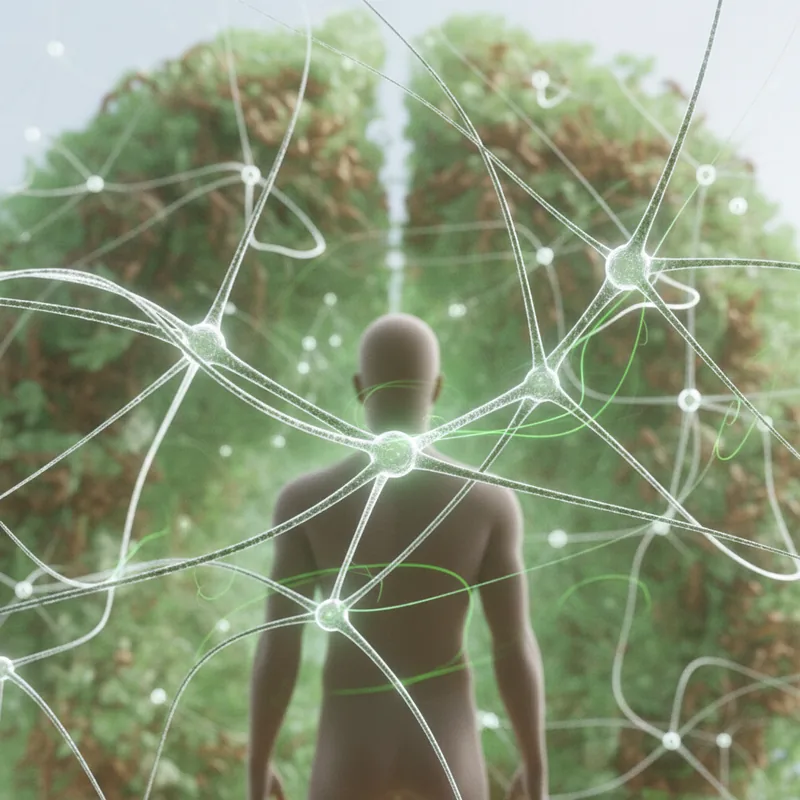
In an era of digital distractions and polarized discourse, genuine human connection has become a rare commodity--and the ability to understand others' experiences is the antidote we desperately need.
The Empathy Imperative
Empathy represents our capacity to step outside our own perspective and truly comprehend what another person is experiencing. This isn't about mere sympathy or pity, but about genuine emotional resonance that bridges the gap between separate consciousnesses. Research consistently shows that empathetic individuals experience richer relationships, greater professional success, and enhanced personal well-being (Harvard, 2024).
Contrary to popular belief, empathy isn't a fixed trait you're either born with or without. It's a learnable skill that can be developed through intentional practice. The question isn't whether you can become more empathetic, but how to be more intentional about cultivating this essential human capacity in your daily interactions.
Practical Strategies for Cultivating Empathy
Developing greater empathy requires moving beyond intellectual understanding to embodied practice. These approaches offer concrete pathways to deepen your connection with others.
Master Nonverbal Attunement
Before words even enter the conversation, our bodies are communicating volumes. Pay attention to micro-expressions, posture shifts, and subtle gestures that reveal emotional states beneath the surface. Notice how someone's shoulders tense during difficult topics or how their breathing patterns change when discussing something meaningful.
Consider this workplace scenario: When a colleague mentions struggling with a project deadline, observe whether they maintain eye contact or look away, whether their voice tightens or softens. These nonverbal cues often reveal more about their emotional experience than their actual words.
Practice Radical Listening
Active listening represents the foundation of empathetic engagement. This means suspending your internal dialogue--the planning of your response, the judgment of their perspective, the comparison to your own experiences--and focusing entirely on understanding theirs. Ask clarifying questions that demonstrate genuine curiosity rather than interrogation.
In digital communication, where nonverbal cues are limited, radical listening takes different forms. When reading an email from a frustrated team member, resist the urge to immediately defend or explain. Instead, read between the lines for emotional content, and respond first to the feeling before addressing the factual content.
Challenge Your Assumptions
Our brains naturally create shortcuts based on past experiences, but these mental models often prevent us from seeing others' unique realities. Before concluding you understand someone's experience, pause and ask: "What might I be missing?" Consider how factors like cultural background, personal history, or current circumstances might shape their perspective differently than yours.
When interacting with someone from a different cultural background, for example, recognize that their emotional expressions might follow different patterns. What appears as emotional distance might actually be cultural respect for boundaries, while what seems like excessive emotion might represent cultural norms of expressiveness.
The Empathy Ecosystem
True empathy extends beyond individual interactions to create a relational environment where understanding flows in multiple directions.
Building Empathetic Relationships
Empathetic connections create psychological safety where vulnerability becomes possible. When people feel genuinely understood, they're more likely to share authentic thoughts and feelings, creating deeper bonds. This reciprocal understanding transforms superficial connections into meaningful relationships that withstand challenges and celebrate successes together.
In romantic partnerships, for instance, empathy allows couples to navigate conflicts not as battles to be won, but as shared problems to be solved together. Each partner feels heard and valued, creating a foundation of trust that strengthens over time.
Navigating Empathy Boundaries
While developing empathy is crucial, maintaining healthy boundaries prevents emotional exhaustion. Compassionate detachment allows you to understand others' experiences without absorbing their emotional states as your own. This distinction preserves your emotional resources while still offering genuine support.
Healthcare professionals, for example, must balance deep understanding of patients' experiences with professional boundaries that prevent burnout. They learn to be fully present with suffering without becoming overwhelmed by it--a skill anyone can develop with practice.
Transforming Challenges into Opportunities
Difficult situations often provide the richest opportunities for empathy development when approached with intentionality.
Conflict as Connection Catalyst
Rather than avoiding disagreements, view them as opportunities to practice understanding divergent perspectives. During conflicts, consciously shift from "winning the argument" to "understanding their position." Ask questions that explore their underlying concerns rather than defending your own position.
In workplace disagreements, this might sound like: "Help me understand what concerns you most about this approach" rather than "Here's why you're wrong about this." This reframing transforms adversarial dynamics into collaborative problem-solving.
Cultural Differences as Learning Labs
Interactions across cultural boundaries offer particularly rich ground for empathy development. When you encounter perspectives that challenge your assumptions, resist the urge to judge or correct. Instead, approach with curiosity: "Tell me more about how your background shapes your view on this."
This approach transforms potential misunderstandings into opportunities for mutual learning and connection across differences.
The Lifelong Practice
Cultivating empathy isn't a destination but a continuous journey of becoming more human in relation to other humans. Each interaction offers a fresh opportunity to practice seeing through another's eyes, feeling with another's heart, and understanding from another's perspective.
The most profound transformations often occur in small moments--the pause before responding, the question asked instead of the assumption made, the willingness to sit with discomfort rather than rushing to resolution. These micro-practices accumulate into a fundamental shift in how you relate to the world and everyone in it.
Begin today by choosing one relationship where you'll practice being fully present. Notice what changes when you prioritize understanding over being understood. The path to learning how to be more connected starts with a single, intentional choice to see the humanity in another person's experience.