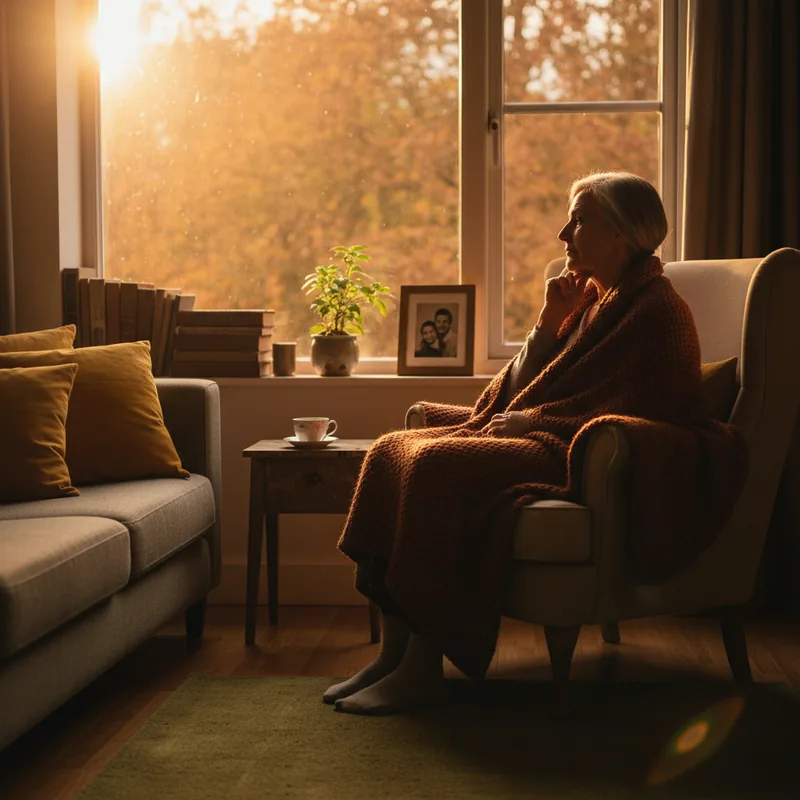
The loss of a life partner is one of the most profoundly challenging experiences an individual can face, often triggering a cascade of emotional, physical, and social changes. Amidst the personal turmoil, a phenomenon known as the 'widowhood effect' has long been discussed in health and social science circles. So, is the widowhood effect real? Research overwhelmingly suggests it is, indicating an increased mortality risk for individuals who have recently lost their spouse, particularly in the immediate aftermath. Understanding this effect is crucial for both those experiencing loss and those who wish to support them.
Understanding the Widowhood Effect
The widowhood effect describes the elevated risk of death for an individual following the passing of their spouse. This phenomenon is not merely anecdotal; scientific studies have consistently identified a statistical increase in mortality rates among surviving partners. This heightened vulnerability is most pronounced during the first few months after the loss, a period often characterized by intense grief and significant life adjustments (Public Health Institute, 2024).
For instance, a significant 2014 study highlighted in the Journal of Public Health indicated that individuals whose spouses had recently died faced a 66% increased chance of dying within the initial three months following their partner's death. This stark figure underscores the immediate and severe impact of spousal bereavement on health outcomes (Gerontology Research, 2023). Beyond this initial critical period, a lingering risk of approximately 15% was still observed, demonstrating that the challenges of widowhood can extend well past the initial shock.
Who Is Most Affected?
While early research sometimes suggested a greater risk for men, more recent studies, including the 2014 analysis, found that the increased mortality risk associated with the widowhood effect impacts both men and women equally. However, the specific challenges faced can differ based on gender and individual circumstances. For example, men often experience worse outcomes when their spouse dies abruptly, as they may lose their primary source of social and emotional support.
Conversely, women may face greater difficulties when a lengthy illness precedes their partner's death. The chronic stress of caregiving, coupled with the emotional toll of witnessing a loved one's decline, can significantly impact their well-being (Family Studies Review, 2022). Beyond gender, factors such as the quality of the marital relationship also play a role; individuals in very close partnerships often report deeper depression following widowhood, feeling as though they have lost a part of themselves.
Unexpected responsibilities can also contribute to distress. Surviving spouses who own homes, for example, may experience heightened anxiety over managing household maintenance and finances alone, a burden previously shared. Similarly, women who were financially dependent on their husbands or relied on them for specific tasks like home repairs might find themselves overwhelmed by new, unfamiliar duties (Sociological Research, 2023). This highlights that the question, is the widowhood effect real?, extends beyond simple mortality statistics to encompass a complex interplay of psychological and practical factors.
The Multifaceted Impact of Loss
The impact of grief and loss is profound, manifesting in both physical and emotional symptoms that can significantly compromise a surviving spouse's health. These symptoms are not merely expressions of sadness but can directly contribute to the elevated health risks observed in the widowhood effect.
Common symptoms experienced during grief include:
- Overwhelming sadness and persistent anxiety
- Significant changes in sleep patterns (insomnia or excessive sleep)
- Digestive problems and appetite disturbances, leading to weight fluctuations
- Profound lack of energy and chronic fatigue
- Increased susceptibility to illness due to decreased immunity
- Unexplained physical pain and discomfort
- Social withdrawal and isolation
While the exact mechanisms linking grief to increased mortality are still being explored, several theories attempt to explain why is the widowhood effect real? These explanations focus on the pervasive stress and lifestyle changes that accompany spousal loss.
Contributing Factors to the Widowhood Effect
Constant Reminders: The home environment, filled with items and spaces that reflect the deceased partner's personality and shared memories, can serve as perpetual triggers for grief. For instance, seeing a partner's favorite armchair or their gardening tools can intensify feelings of loss daily.
Overwhelming Responsibilities: The sudden shift of all household chores and financial management to one person can be incredibly stressful. A spouse who always handled the bills, cooking, or yard work might leave the survivor feeling ill-equipped and overwhelmed by these new, singular responsibilities. Consider a partner who relied entirely on their spouse for managing all financial accounts; suddenly having to navigate banking, investments, and bill payments alone can be a source of immense stress.
Caregiving Strain: For those whose partners endured a prolonged illness, the chronic stress of caregiving often takes a severe toll. Caregivers frequently neglect their own health and well-being as their partner's health deteriorates, leaving them vulnerable to illness themselves once the caregiving role ends.
Lifestyle Changes: The death of a partner can drastically alter daily routines and health behaviors. A surviving spouse might struggle with meal preparation, opting for less nutritious convenience foods, or might abandon shared hobbies like regular walks or social gatherings. For example, a couple who regularly enjoyed hiking together might find the survivor losing motivation to continue the activity alone, leading to reduced physical activity.
Environmental Shifts: Significant changes in living arrangements, such as having to move out of the marital home due to financial constraints or a desire for a fresh start, can add another layer of stress and disruption during an already vulnerable time. This upheaval can further destabilize a grieving individual's sense of security.
Ultimately, the pervasive impact of chronic stress and intense grief appears to be the common denominator, significantly influencing both physical and psychological health during widowhood (Stress and Grief Research, 2020). The physiological responses to prolonged stress, such as elevated cortisol levels, can suppress the immune system and exacerbate existing health conditions.
Specific Causes of Death
Further research has investigated whether specific causes of death are more prevalent among widowed individuals. A 2008 study found distinct patterns:
- Widowed men showed a much higher risk of dying from chronic obstructive pulmonary disease (COPD), diabetes, accidents or serious fractures, infection, or sepsis following their wives' deaths.
- Widowed women faced a much higher risk of dying from COPD, colon cancer, accidents or serious fractures, or lung cancer after their husbands' deaths.
These findings suggest that the profound stress and lifestyle changes associated with widowhood can either trigger new health problems or accelerate the progression of existing ones, further solidifying the answer to the question, is the widowhood effect real?
Coping and Finding Support After Spousal Loss
While the loss of a spouse is undeniably devastating, many individuals demonstrate remarkable resilience. Research indicates that many older adults can regain their previous levels of physical and psychological health within approximately 18 months of their spouse's death. This journey of healing, however, often requires intentional steps and robust support systems.
If you are navigating the profound loss of a partner, consider these strategies to encourage healing:
Actively Seek Support: Social connections are a powerful buffer against the widowhood effect. Reach out to family, friends, or community groups. Sharing your feelings and experiences can alleviate isolation and provide comfort. A support group, for instance, offers a safe space to connect with others facing similar experiences.
Engage in Meaningful Activities: Widowhood can leave a significant void in daily routines and social life. Finding new ways to fill your time can be incredibly beneficial. This could involve revisiting old hobbies, exploring new interests, volunteering, or engaging in social outings with friends. For example, if you and your spouse shared a passion for gardening, you might consider joining a local gardening club to find new connections and continue a beloved activity.
Honor Your Pace of Grief: Grief is a deeply personal journey with no set timeline. Avoid pressuring yourself to 'move on' or conform to external expectations. Allow yourself to feel the full spectrum of emotions, and progress at a pace that feels authentic to your healing process.
Consider Professional Help: Discussing your emotions and experiences with a mental health professional, such as a grief counselor or therapist, can provide valuable tools and strategies. A professional can help you process the loss, adjust to life changes, and integrate your grief in a healthy way.
Supporting a Grieving Loved One
If someone you care about is coping with spousal loss, your support can be invaluable. Here are practical ways to lend a hand:
Offer Practical Assistance: In the immediate aftermath, simple acts of service can be tremendously helpful. This might include preparing meals, running errands, assisting with household chores, or helping navigate immediate administrative tasks. For instance, offering to pick up groceries or manage laundry can remove a significant burden.
Encourage Social Engagement: After a period of initial grief, gently encourage the bereaved person to re-engage with social activities. This doesn't mean forcing them into situations, but offering invitations to quiet outings or group activities they once enjoyed. A simple invitation for a coffee or a walk in the park can make a difference.
Practice Empathetic Listening: Be present and listen without judgment. The grieving person may want to talk about their deceased spouse repeatedly, and simply listening is a powerful form of healing. You don't need to have all the right answers; your empathetic presence is enough.
Help Identify Resources: Offer to help them find additional resources. This could include researching local bereavement support groups, suggesting grief counseling options, or connecting them with services that can assist with household management or financial planning. For a surviving spouse who feels lost with managing finances, connecting them with a trusted financial advisor could be a huge relief.
Navigating Life Beyond Widowhood
The journey through widowhood is complex and deeply personal. While the initial months are often the most challenging, and the question is the widowhood effect real? is answered with a clear yes regarding mortality risk, it's also a period of profound adaptation and potential growth. Surviving spouses often discover inner strengths they never knew they possessed as they learn to navigate a world forever changed.
Embracing self-care becomes paramount during this transition. Prioritizing physical health through proper nutrition, adequate sleep, and gentle exercise can mitigate some of the physical risks associated with grief. Equally important is nurturing emotional well-being through creative outlets, mindfulness practices, or continued therapeutic support. The process of integrating the loss into one's life, rather than trying to 'get over' it, allows for a new chapter to begin, honoring the past while building a meaningful future.
Conclusion
The loss of a spouse is a life-altering event that brings immense grief and disorienting change. The widowhood effect is a well-documented phenomenon, confirming that the emotional and physical toll of such a loss can indeed impact one's life expectancy, particularly in the critical first few months. Understanding that is the widowhood effect real? helps to validate the profound struggles faced by surviving partners.
Despite the challenges, healing and adjustment are possible. By actively seeking support, engaging in life-affirming activities, and allowing oneself to grieve authentically, individuals can navigate this difficult transition. For those supporting a loved one, offering practical help, empathetic listening, and guiding them to resources can make a significant difference. Ultimately, while grief is complicated and overwhelming, the path to rebuilding a fulfilling life after spousal loss, though arduous, is achievable with care, patience, and community support.