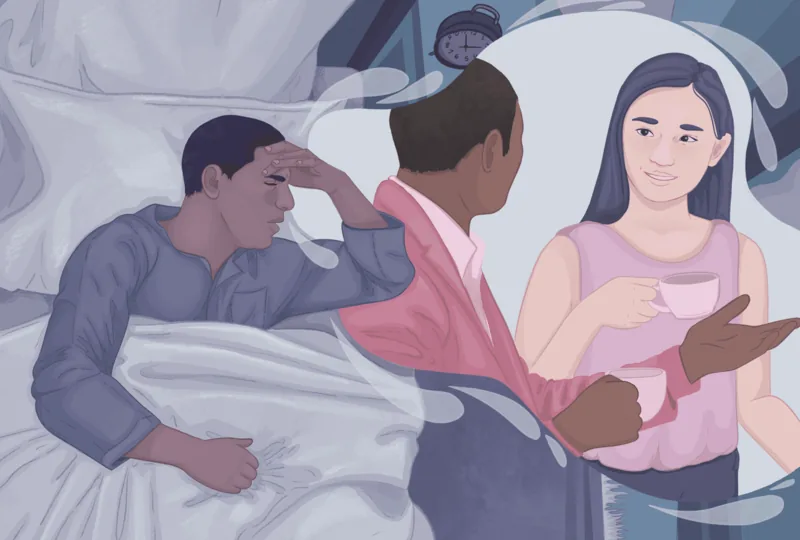
If persistent worries about your health consume your thoughts, even when medical tests show no cause for concern, you might be experiencing Illness Anxiety Disorder (IAD). This condition, formerly known as hypochondriasis, is characterized by an excessive preoccupation with having or acquiring a serious medical illness despite having few or no somatic symptoms, or only mild ones. What to know about IAD is that it's a very real and distressing mental health condition where the anxiety itself becomes the primary ailment, significantly impacting daily life (Medical Review Board, 2023).
While physical symptoms might be absent or minor, the anxiety and distress felt by individuals with IAD are profound and can lead to significant disruptions in their daily functioning, relationships, and overall well-being. Understanding this condition is the first step toward finding effective management and regaining peace of mind.
Understanding Illness Anxiety Disorder
Illness Anxiety Disorder is a complex mental health condition that manifests as an intense and persistent fear of having a serious illness. This fear persists despite medical reassurance, often leading to a cycle of worry and seeking further opinions. The journey to understanding IAD begins with its origins and how it's defined today.
From Hypochondriasis to IAD: A Shift in Understanding
The term 'hypochondriasis' or 'hypochondria' was removed from the Diagnostic and Statistical Manual of Mental Disorders (DSM-5, now DSM-5-TR) due to its negative connotations and stigmatizing nature (American Psychiatric Association, 2013). This important shift reflects a greater understanding and sensitivity towards mental health conditions.
Instead, individuals who previously would have been diagnosed with hypochondriasis typically receive a diagnosis of Illness Anxiety Disorder or Somatic Symptom Disorder. Despite the name change, the term 'hypochondriac' is unfortunately still used in common parlance, often dismissively, highlighting the ongoing need for education and empathy.
Understanding what to know about the shift from 'hypochondriasis' to IAD is crucial. It underscores that these anxieties are not a choice but a genuine struggle, deserving of compassion and professional support rather than judgment. It reminds us to approach discussions about mental health with respect and an open mind.
Recognizing the Symptoms of IAD
For those wondering what to know about the specific manifestations of IAD, the symptoms predominantly revolve around a preoccupation with the possibility of being ill. This often stems from interpreting normal body functions or mild physical complaints as signs of serious disease.
Common indicators of IAD include:
- Avoiding people or places due to an intense fear of contracting an illness.
- Constantly searching online for information about symptoms and health conditions. For instance, someone might interpret a mild stomach cramp as a sign of a rare digestive disease, spending hours researching obscure conditions online and convincing themselves of an impending crisis.
- Repeatedly discussing health problems with others, seeking reassurance or validation.
- Experiencing significant distress that impairs normal daily functioning, such as work, social life, or personal relationships.
- A persistent fear that minor physical sensations are indicative of a serious medical disease.
- Feeling nervous and obsessed with frequently checking one's health status, like taking temperature or monitoring pulse.
- Heightened awareness and anxiety over subtle bodily symptoms such as headaches, joint pain, or sweating.
- Making frequent doctor's appointments to investigate mild symptoms or normal body functions.
- Profound distress over the mere possibility of being sick, even without concrete evidence.
The Diagnostic Process for IAD
The diagnosis of Illness Anxiety Disorder often occurs after thorough physical examinations and lab tests yield normal results, yet the individual remains intensely preoccupied and anxious about an underlying health condition. This can be a frustrating cycle for both the patient and healthcare providers (StatPearls, 2024).
A diagnosis of IAD is based on a comprehensive assessment of the person's symptoms, detailed medical history, the outcomes of physical exams, and an evaluation of accompanying mental health symptoms, particularly severe anxiety. It's important to note that individuals with IAD are often not reassured by normal test results, frequently leading them to dismiss their doctor's findings and seek multiple opinions.
To meet the diagnostic criteria for illness anxiety disorder, an individual must exhibit:
- Excessive worry about having a serious or life-threatening illness.
- Minimal or no somatic (physical) symptoms, or mild symptoms that are disproportionately interpreted.
- High levels of anxiety about health issues.
- Repeated behaviors such as checking for illness (e.g., examining the body, researching symptoms) or maladaptive avoidance (e.g., avoiding doctor appointments).
Crucially, these symptoms must be present for at least six months and cannot be better explained by another psychiatric condition, such as generalized anxiety disorder or obsessive-compulsive disorder (American Psychiatric Association, 2013).
Navigating Complications of Illness Anxiety
Illness anxiety disorder can easily become a self-perpetuating cycle, where the stress generated by health worries can actually induce or worsen physical symptoms (American Journal of Lifestyle Medicine, 2018). Joint and muscle pain, sweating, nausea, and skin conditions are common physical manifestations that people with IAD often obsess over. This worry, in turn, can intensify these symptoms and even lead to the development of new ones, reinforcing the initial fear.
Paradoxically, IAD can also lead individuals to avoid seeking necessary medical treatment altogether. This avoidance stems from a profound fear of receiving a serious diagnosis, thereby jeopardizing their actual physical health. This creates a dangerous dilemma where both over-seeking and under-seeking medical care can be detrimental.
Distinguishing IAD from Similar Conditions
Illness anxiety disorder is sometimes confused with other conditions or behaviors. It's important to understand what to know about these distinctions to avoid mislabeling and ensure appropriate support.
- Nosophobia: Both IAD and nosophobia involve a fear of illness. However, nosophobia is specifically the fear of developing a particular disease, such as cancer or diabetes (Advances in Psychosomatic Medicine, 2012). Illness anxiety disorder, in contrast, is the fear that existing physical symptoms, however mild, are the result of an undiagnosed or serious condition.
- Malingering: This involves intentionally feigning an illness to gain an external benefit, such as financial compensation or avoiding legal consequences. Unlike malingering, individuals with IAD are not pretending to be sick; they genuinely believe they have an illness or are at high risk of developing a serious condition, and their distress is authentic.
Exploring the Roots of Illness Anxiety
While the precise causes of Illness Anxiety Disorder remain elusive, research points to a combination of contributing factors. These elements can interact in complex ways, increasing an individual's vulnerability to developing IAD.
Key Contributing Factors
If you're wondering what to know about the underlying factors that contribute to IAD, several elements often play a role. These can include a personal history of significant illness during childhood, which might create a lasting sensitivity to health threats. Experiencing trauma, abuse, or neglect during formative years can also heighten an individual's anxiety and perception of vulnerability (Cleveland Clinic, 2023).
The presence of another mental health condition, such as generalized anxiety disorder, obsessive-compulsive disorder (OCD), or major depressive disorder, significantly increases the risk of developing IAD. Additionally, heightened stress levels can exacerbate or trigger symptoms. Some individuals also find themselves uncomfortable with normal body sensations, leading them to misinterpret these as signs of illness. Emerging research also suggests that excessive time spent online researching symptoms of different health conditions can contribute to IAD (StatPearls, 2024).
The Overlap with Other Anxiety Disorders
Illness anxiety disorder frequently co-occurs with other anxiety disorders, highlighting a common underlying vulnerability to anxious thought patterns (Psychosomatics Journal, 2016). Individuals with IAD may also experience co-occurring conditions such as specific phobias, generalized anxiety disorder (GAD), or panic disorder with agoraphobia.
This overlap suggests that treatment approaches often need to address the broader spectrum of anxiety an individual experiences, rather than focusing solely on health-related fears. A holistic approach can lead to more comprehensive and lasting relief.
The Two Faces of Illness Anxiety: Care-Seeking vs. Care-Avoidant
Illness Anxiety Disorder manifests in distinct ways, primarily categorized into two types based on how individuals react to their health fears: care-seeking and care-avoidant. Both represent different coping mechanisms for the same underlying anxiety.
The Care-Seeking Approach
Some individuals with IAD respond to their health anxieties with an urgent and often relentless need for constant reassurance. They may frequently visit doctors, specialists, or urgent care centers, even after receiving multiple normal test results and medical clearances. Imagine Jane, who, despite multiple clear blood tests, insists on seeing a new specialist every few weeks for a persistent, yet medically unexplained, fatigue, seeking constant reassurance that she's not overlooking a serious illness.
This pattern can also extend to friends and family, with individuals repeatedly complaining about their symptoms or seeking validation for their fears. While their pursuit of medical attention is driven by genuine distress, it often leads to frustration for both the individual and their support network.
The Care-Avoidant Approach
Conversely, others with IAD react by actively avoiding medical care. This avoidance stems from an intense fear of receiving a devastating diagnosis or having their worst health fears confirmed. Consider Mark, who notices a persistent cough but avoids scheduling a doctor's appointment for months, terrified that the diagnosis might confirm his worst fears, even for a treatable condition.
These individuals may also be reluctant to share their health fears with loved ones, either out of fear of confirmation or a belief that their concerns will not be taken seriously. This avoidance can be particularly dangerous, as it may delay necessary medical intervention for actual health issues, potentially leading to more severe outcomes.
Effective Strategies for Managing IAD
Research consistently shows that there are effective treatments available for Illness Anxiety Disorder (Psychosomatics Journal, 2016). The most suitable treatment approach often depends on the specific nature and severity of the condition, as well as the presence of any co-occurring mental health conditions.
The Power of Psychotherapy
Various forms of psychotherapy have proven beneficial in treating illness anxiety. Cognitive Behavioral Therapy (CBT) is a particularly popular and effective option. CBT helps individuals identify and challenge the irrational thought patterns and beliefs that fuel their health anxiety.
Through CBT, people learn to manage the intense anxiety they feel towards their physical symptoms. This process can significantly reduce the distress associated with these symptoms, and in many cases, can even lead to a reduction in the symptoms themselves, breaking the cycle of worry and physical manifestation.
Considering Medication Options
In addition to psychotherapy, medication may be prescribed, especially when anxiety symptoms are severe or when co-occurring conditions like depression are present. Selective Serotonin Reuptake Inhibitors (SSRIs) are a class of medication commonly used to treat IAD (American Journal of Lifestyle Medicine, 2018).
These drugs, generally known as antidepressants, work by influencing serotonin levels in the brain, a neurotransmitter associated with mood and anxiety regulation. Examples of SSRIs that may be prescribed include sertraline (Zoloft), paroxetine (Paxil), and fluoxetine (Prozac). Medication is often most effective when used in conjunction with psychotherapy.
Practical Coping and When to Seek Professional Help
Beyond professional treatment, several self-help strategies can significantly aid in reducing feelings of illness anxiety. These daily practices can empower individuals to take an active role in managing their well-being.
Daily Strategies for Reducing Anxiety
- Manage Stress Levels: Since stress is a major contributor to illness anxiety, finding effective ways to relieve it is crucial. Techniques like deep breathing exercises, guided visualization, and progressive muscle relaxation can be incredibly helpful in calming the nervous system and reducing overall anxiety.
- Practice Mindfulness: Mindfulness involves focusing on your body and present moment sensations without judgment. This practice can help you develop a better understanding of normal bodily functions, making them feel less threatening and more like everyday experiences rather than potential health problems.
- Avoid Unhelpful Information: Constantly reading frightening articles or forums online about health conditions can significantly heighten anxieties. While seeking information from trustworthy sources is important, it's vital to avoid obsessive research. Limit your exposure to health-related content and choose sources that are reassuring and evidence-based, rather than fear-inducing.
Finally, what to know about self-help strategies can empower individuals to actively participate in their recovery journey, fostering resilience and a sense of control over their health anxiety.
Knowing When to Seek Professional Support
If you find yourself constantly worrying about physical symptoms, it is paramount to seek professional treatment. The initial step should typically be a visit to your family doctor to rule out any actual medical cause for your symptoms. This provides a foundational understanding of your physical health.
If your doctor confirms no underlying physical illness, the next crucial step is to seek help from a qualified mental health professional. An untreated illness anxiety disorder can gradually lead to a significant limitation of your life activities, as your fears begin to dictate your choices and behaviors.
With appropriate treatment, however, you can gain control over your symptoms, reduce your anxiety, and move forward with a fulfilling daily life. Help is available, and taking that first step is a sign of strength and a commitment to your well-being.
If you or a loved one are struggling with illness anxiety disorder, please reach out to the Substance Abuse and Mental Health Services Administration (SAMHSA) National Helpline at 1-800-662-4357 for information on support and treatment facilities in your area.