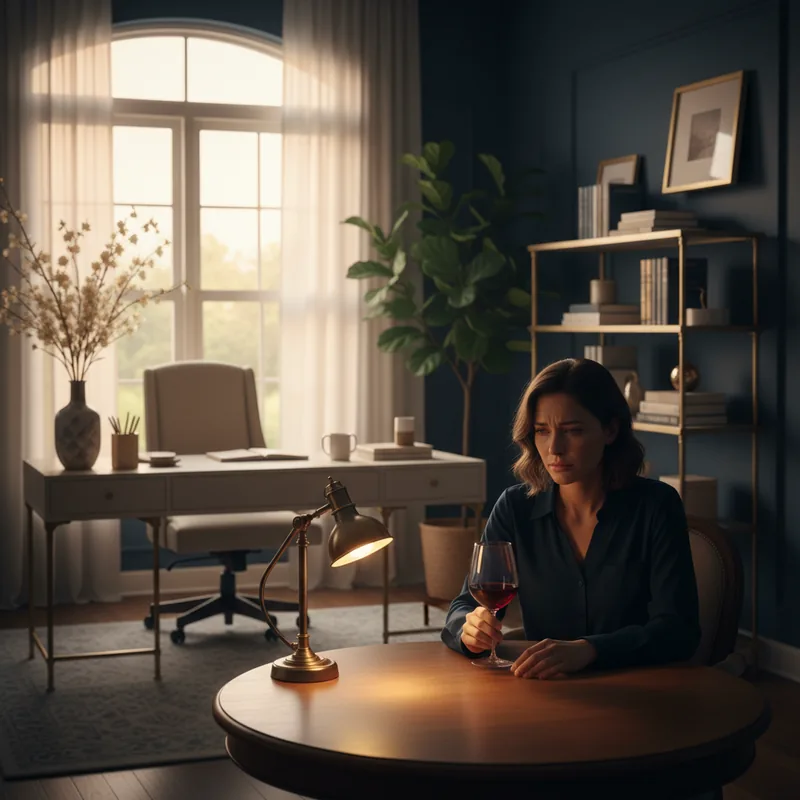
You’ve been single for a while now, maybe even for i've been single 4 years, and the question keeps nagging at you: could my deep dive into the world of romance novels be the culprit? It’s a thought many of us who devour "spicy" books have entertained, especially when real-life dating feels like a series of underwhelming encounters compared to the epic sagas on our e-readers. The short answer? No, your smut-reading habit isn't solely to blame. But here's the thing: while these stories offer delicious escapism, they can subtly recalibrate our expectations for connection and intimacy, making the messy reality of dating feel… well, a little less magical.
The Allure of the Fictional Lover: Why We Crave Romance Novels
Let's be honest: there’s a unique thrill in getting lost in a world where heroes are impossibly devoted, communication is always crystal clear, and every touch ignites fireworks. For many, including myself, reading romance isn't just a hobby; it's a lifestyle. We spend hours on #BookTok, scour fanfiction archives like Archive of Our Own (AO3) for hidden gems, and eagerly await the next release from our favorite authors, all in pursuit of that perfect story. From historical romances with dukes and duchesses to contemporary tales of billionaires and their feisty assistants, the subgenres are endless, each promising an escape into passion and adventure. This isn't just about entertainment; it's a powerful form of escapism, a chance to step away from daily stresses and immerse ourselves in narratives where love conquers all (Hertlein, 2024).
Beyond the pure enjoyment, there’s a deeper layer. For some, erotica and romance novels become a safe space to explore personal desires and build sexual confidence. If you weren't raised in an environment that openly discussed sex or pleasure, these stories can offer a liberating avenue to understand arousal and excitement without shame (Brito, 2024). It’s a personal journey of discovery, helping us feel more comfortable in our own skin and with our own sensuality (Chesser et al., 2019). These narratives can validate feelings and desires that society might otherwise deem taboo, fostering a sense of empowerment.
When Fantasy Blurs Reality: The Ideal vs. The Real
Here’s where the line between fiction and reality starts to blur. We’ve all been there, comparing a real-life date to a fictional book boyfriend. Why can’t my potential partner be a 6’5” billionaire who sweeps me off my feet, anticipates my every need, and understands my every unspoken thought? Meanwhile, you're just trying to get a text back after a perfectly pleasant first coffee. This isn't just a funny meme circulating on social media; it's a genuine point of frustration for many, especially if you've been single for 4 years and counting, and feel like you're constantly coming up short.
The truth is, romance novels are crafted for peak entertainment. They often skip the awkward, mundane, and sometimes dull parts of getting to know someone. Think about it: when was the last time a hero in a book spent three chapters discussing household chores, navigating a tricky family dinner, or dealing with a flat tire on the way to a romantic getaway? Never. These stories jump straight to grand gestures, passionate declarations, and conflict resolutions that happen conveniently within a few pages. Experts like Dr. Katherine Hertlein emphasize that these storylines are "exaggerated and idealized," designed to captivate, not to mirror the nuanced effort, communication, and compromise real relationships demand (Hertlein, 2024). The courting stage, with all its uncertainties and missteps, is often a mere footnote.
Consider the classic "meet-cute" trope. In books, characters often stumble into each other's lives with perfect timing and instant, undeniable chemistry – a chance encounter at a bustling coffee shop, a dramatic rescue, or a witty exchange over a spilled drink. In reality, your "meet-cute" is probably swiping through endless profiles on a dating app, hoping to find someone who doesn't list "good vibes only" as their entire personality, or enduring a lengthy, slightly awkward first date. The constant stream of fictional perfection can inadvertently raise our bar so high that real-life connections, with their inevitable imperfections and slow burns, struggle to measure up to the immediate fireworks we've come to expect (Modern Dating Study, 2024). This gap between fantasy and reality can lead to a cycle of disappointment.
Unpacking the "Spice": Realistic Sex vs. Storybook Intimacy
While erotica can be a fantastic tool for self-discovery and exploring your own desires, it’s crucial to remember that the sex scenes are, by definition, fantasies. They often omit the messy, awkward, and sometimes downright unsexy realities of human intimacy. Queefing, condom struggles, unexpected fumbles, the occasional miscommunication about what feels good, or the sheer messiness of lubrication – these are all natural parts of real sexual experiences that rarely make it into a steamy novel, because, let's face it, they're not particularly romantic.
Dr. Hertlein points out that consuming a lot of erotic literature can lead to "unrealistic expectations about sex." The scenarios, physical appearances, and behaviors are frequently exaggerated or idealized, potentially leading to dissatisfaction with real-life sexual encounters (Hertlein, 2024). When every fictional orgasm is portrayed as earth-shattering, instantaneous, and perfectly synchronized, it sets an impossible standard for your own experiences. The pressure to perform or experience sex like a character in a book can actually detract from genuine connection and pleasure.
Research confirms this disconnect. A study on romance novels found that female protagonists often achieve orgasm more frequently than male characters, and predominantly through penetration alone (Cabrera & Ménard, 2013). This directly contradicts real-world data, which shows that a significant percentage of women require clitoral stimulation to orgasm, and that it certainly doesn't happen in a matter of minutes, let alone seconds (Herbenick et al., 2018; ISSM, 2023). Think of the "perfect first time" in a novel, where everything aligns seamlessly, versus the fumbling, nervous, but often sweet and memorable reality of a new sexual experience. The former is a carefully constructed plot device; the latter is human connection in its rawest form.
Striking a Balance: Enjoying Smut Without Sabotaging Your Love Life
So, if you’ve been single for 4 years, does this mean you need to ditch your beloved books entirely? Absolutely not. There’s no such thing as a "smut addiction" in the clinical sense, but there is a point where too much fantasy can begin to impact your real-life relationships. Dr. Brito suggests it becomes unhealthy if you're "neglecting other responsibilities or avoiding engagement in real-life relationships" (Brito, 2024). This isn't about judgment; it's about self-awareness.
This means if you're consistently choosing a reading marathon over a promising first date, or finding yourself disappointed by a partner's genuine affection because it doesn't match a fictional grand gesture, it might be time for a recalibration. Setting boundaries is key. Dr. Hertlein advises "set limits on reading time to ensure it doesn't interfere with quality time with your partner" and to "prioritize real-life intimacy by consciously focusing on physical and emotional connections" (Hertlein, 2024). This might look like dedicating specific evenings to reading, leaving others open for social interaction, or putting the book down when a partner genuinely wants to connect.
The real question to ask yourself is: why am I reaching for this book right now? If it's for pure enjoyment, escapism, or to explore your own desires, fantastic! But if you're consistently turning to fantasy because something feels deeply lacking in your actual life, and it's preventing you from seeking or appreciating real-life intimacy, then a pause for reflection and in-person connection might be beneficial. For instance, instead of spending Friday night reading about a fictional ball or a dramatic rescue, you could be out meeting new people, even if it's just for a casual coffee or a group activity. Consciously seeking out real-world interactions helps ground you (Relationship Institute, 2023).
Romance novels and erotica are fantastical works and should not replace physical connection.
Remember, the goal isn't to eliminate joy, but to integrate it. Enjoy your fictional worlds, but don't let them become a barrier to building meaningful connections in the one you actually live in. It's about finding harmony between your inner world of fantasy and your outer world of experience.
So, Is Your Smut Habit the Culprit? The Nuanced Truth
Let's circle back to the core question: is your smut-reading habit to blame for being single for 4 years? The definitive answer remains no, not directly. Your books aren't actively sabotaging your love life. However, an over-reliance on idealized narratives can certainly create a mental framework that makes real-world dating feel less appealing and more challenging. Discernment is your most powerful tool here – the ability to separate the fantasy from the reality.
As Dr. Brito wisely puts it, "Accept that romance and smut books are primarily designed for entertainment. While they may include elements of real-life scenarios, their main purpose is to entertain you" (Brito, 2024). Real life, unlike fiction, doesn't always have a perfectly structured plot, convenient coincidences, or characters who are always on their best behavior. Sometimes dating is awkward, sometimes sex is clumsy, and sometimes communication falters. These are the human elements that make real connections authentic, even if they're not always "entertaining" in a literary sense. They are, however, deeply rewarding.
Your perfect partner likely won't be a brooding, possessive billionaire with a secret past, nor will you likely fake-marry a prince to save your family's vineyard. The reality is far more nuanced, filled with ordinary people navigating extraordinary feelings. You'll probably kiss a few frogs, deal with ghosting, experience plenty of "meh" dates, and face genuine compatibility challenges before you find someone who truly resonates. And even then, there's no guarantee of a "happily ever after" that's set in stone. Relationships evolve, they have ups and downs, they require continuous effort, vulnerability, and compromise – something often glossed over in the final chapters of a romance novel, which typically end at the peak of romantic bliss.
It’s easy to get swept away by the romanticism of it all, to yearn for a love story that feels as grand and effortless as the ones on the page. But disconnecting from reality and living solely in fantasy can lead to disappointment, resentment, and even despair. Dating is already a complex journey; we don't need to make it harder by holding it to an impossible, fictional standard. The joy of a real, imperfect connection often far outweighs the allure of a flawless, imagined one.
So, enjoy your books. Indulge in the fantasy. But when you close that cover, remember that the most fulfilling love stories are the ones you write in your own life, with all their beautiful, messy, and wonderfully real imperfections. That's where true connection lies, far beyond the pages of any novel. Embrace the adventure of your own story.