Few things disrupt daily comfort quite like a sudden loss of heat during colder months. Modern homes, despite their advancements, often rely on electricity even for gas or oil-fueled heating systems. This means a power outage, especially during a harsh winter storm, can quickly turn your cozy sanctuary into an uncomfortably cold space, potentially dropping to unsafe temperatures within hours (Department of Energy, 2024).
If you're wondering how to maintain warmth and safety for your household and property when the grid goes dark, you're not alone. The good news is that with a bit of foresight and strategic action, you can significantly mitigate the impact. Here are four ways to keep your house warm, even when your primary heating system is out of commission, ensuring you stay comfortable and secure until power is restored.
Proactive Preparedness: Pre-Heating and Sealing
When meteorologists forecast a significant winter storm or a potential power interruption, proactive measures are your best defense. One of the most effective four ways to keep your home warmer for longer is to "pre-heat" it. Elevating your thermostat a few degrees above your usual setting for several hours before the anticipated outage can significantly extend the time your home remains at a tolerable temperature. Think of it as charging a battery - the fuller it is, the longer it lasts.
Alongside pre-heating, focus on making your home as airtight as possible. Cold air infiltration is a major culprit in heat loss. Implement strategies like hanging heavy thermal curtains or blankets over all windows, especially those on north-facing walls. Applying plastic insulation kits to windows and deploying draft stoppers under exterior doors, internal doors leading to unheated spaces (like basements or garages), and even across unused fireplace openings can dramatically reduce heat escape (National Weather Service, 2023). Moving large furniture pieces, like a sofa, to block a drafty exterior wall can also offer a surprising layer of insulation.
Strategic Isolation: Creating a Warm Zone
Attempting to heat an entire home without an active furnace is an uphill battle. A smarter approach, and one of the practical four ways to keep warm, is to concentrate your efforts on a single, smaller room where everyone can gather. This creates a manageable "warm zone" that's much easier to maintain at a comfortable temperature using body heat and any supplemental warmth sources you might have.
When selecting your designated warm room, consider these factors:
- Location: Rooms on upper floors tend to retain heat better since heat rises.
- Sunlight Exposure: A room with south-facing windows can benefit from passive solar heating during daylight hours. Open curtains to let the sun's energy warm the space, then close them tightly as evening approaches to trap that warmth.
- Size and Occupancy: While smaller rooms are easier to heat, ensure it's large enough for everyone to comfortably live and sleep. Consider bringing in sleeping bags, extra blankets, and even pet beds to add layers of warmth.
- Convenience: Proximity to a bathroom (or an en-suite) offers added practicality, especially during an extended outage.
Once your warm zone is established, seal it off from the rest of the house as thoroughly as possible. Keep the door closed, block any drafts, and cover windows as you did with the rest of the house. You might also consider setting up an indoor tent if you have one; tents are specifically designed to trap heat and can create an incredibly effective micro-climate within your chosen room.
Ingenious Solutions: DIY Heat Sources
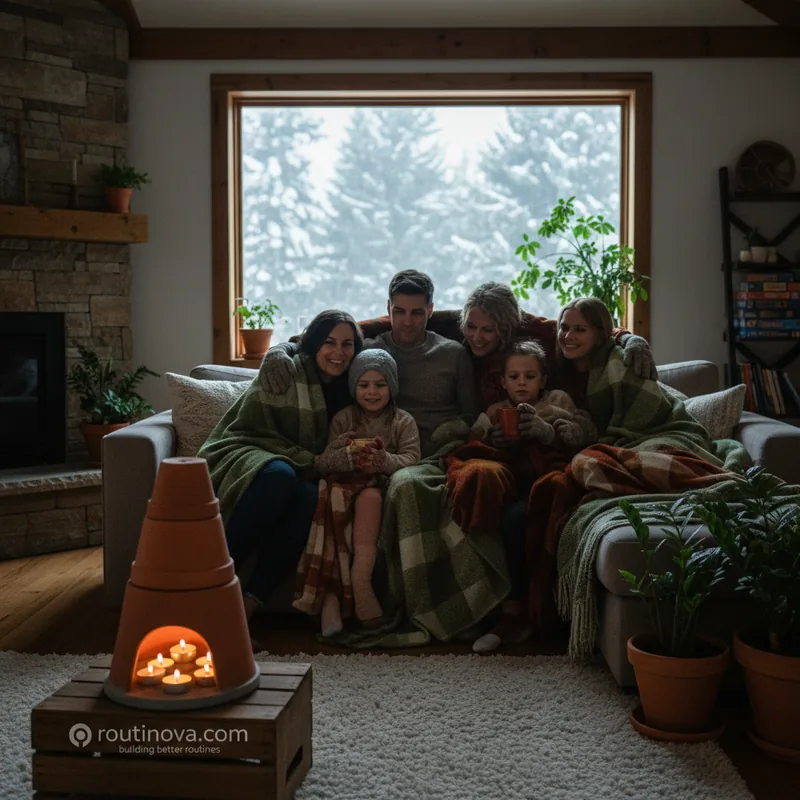
While a dedicated indoor-safe propane, kerosene, or solar-powered heater is ideal for supplemental warmth (always follow manufacturer instructions for ventilation!), you might find yourself without these options. Don't despair; there are ingenious, low-tech four ways to keep a small space warmer. One classic method is the candle-pot heater, an old-school technique that, while not a substitute for a furnace, can significantly boost the ambient temperature in a confined area.
To construct a candle-pot heater, you'll need 1-3 unglazed clay flower pots (or similar ceramic containers) of varying sizes, non-flammable supports like bricks or stone tiles, and several tea-light or votive candles. Arrange them as follows:
- Create a raised, stable platform with your bricks or tiles, ensuring good airflow underneath.
- Place your smallest pot upside down on the bricks, covering any drainage hole.
- Nest the next largest pot on top of the first, and then the largest on top of that, if using three.
- Carefully place your lit candles underneath the pots.
The magic happens as the clay pots absorb the minimal heat from the candles and then slowly radiate it outwards, intensifying and distributing the warmth more effectively than candles alone. This prevents the heat from simply rising to the ceiling and dissipating. Remember, candles are open flames; never leave this heater unattended and keep it far from flammable materials (National Fire Protection Association, 2023). For an added boost, place a foil-covered panel behind the heater to reflect warmth in a specific direction.
Beyond the candle-pot heater, simple methods like filling hot water bottles or even sturdy, sealed plastic bottles with warm (not boiling) water and placing them under blankets or near your core can provide comforting, localized heat. Huddling together with family members or pets also leverages natural body heat effectively.
Modern Safeguards: Furnace Battery Backup
For homes with natural gas furnaces, the prospect of an outage doesn't necessarily mean zero heat. While gas is the fuel, the furnace system itself relies on electricity for several critical functions: igniting the burner, powering the blower fan to circulate warm air, and enabling communication between the thermostat and the unit. This is where a robust alternative power source becomes invaluable--one of the most reliable four ways to keep your furnace operational.
A portable generator or a high-capacity power bank can provide the necessary electricity to keep your furnace running for hours, or even days, during an extended blackout. Many modern furnaces feature an accessible on/off switch, making them suitable for connection to a transfer switch (like those demonstrated in many home improvement guides). This allows you to safely plug in your generator or battery solution and flip a switch to power your furnace directly.
While installing a transfer switch can be a DIY project for those comfortable with basic electrical work, if you're uncertain, it's always best to hire a licensed electrician. They can ensure safe and proper installation, giving you peace of mind. Once installed and paired with a sufficiently powerful generator or battery, you'll have a critical safeguard against cold houses in future power interruptions, transforming a potential crisis into a manageable inconvenience.