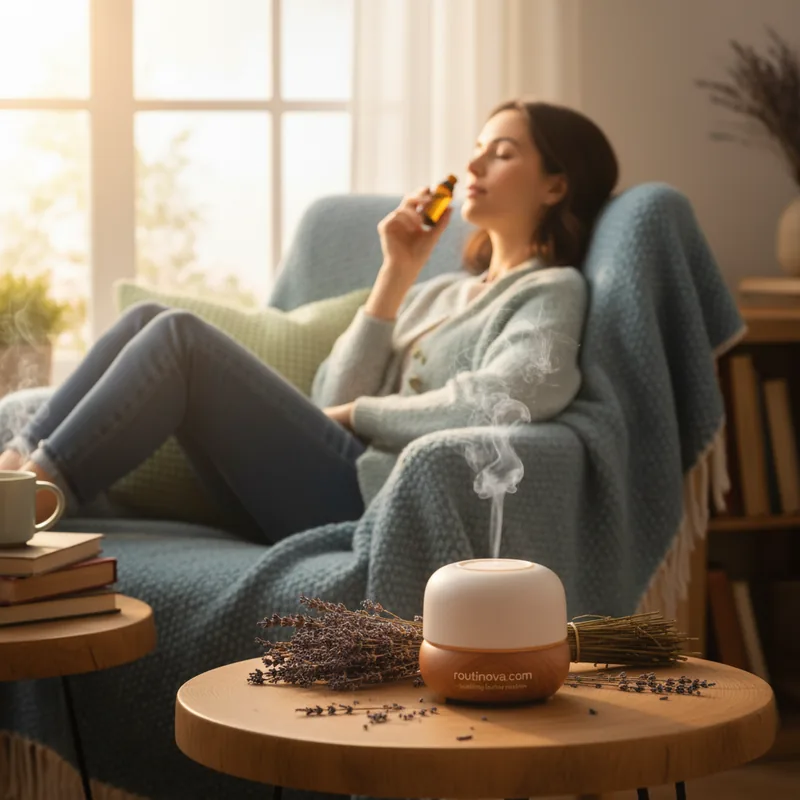
Ever feel like your mind is a hamster wheel, spinning endlessly with worries and a never-ending to-do list? What if a simple, natural scent could offer a whisper of calm amidst the daily chaos? The truth is, lavender essential oil may indeed be a powerful, aromatic ally for your mental health, offering a gentle path to relaxation and emotional balance. This ancient botanical, distilled from the beautiful Lavandula angustifolia plant, has been cherished for centuries, and modern research now backs its traditional uses for easing stress, anxiety, and even improving sleep quality.
We've all experienced those moments when our shoulders creep up to our ears, our jaw clenches, and our thoughts race. It's in these moments that the soothing properties of lavender can truly shine, helping to reset your nervous system. While it's a fantastic addition to your wellness toolkit, remember it's a complementary approach, not a replacement for professional mental healthcare.
The Gentle Power of Lavender for Your Mind
The allure of lavender isn't just in its delightful fragrance; it's in its profound impact on our internal landscape. This versatile oil is lauded for its purported anti-inflammatory, antidepressant, antiseptic, and sedative effects. But what does the science say about how lavender essential oil may truly benefit your mental well-being?
Calming the Anxiety Storm
Anxiety can manifest in many forms, from the low hum of daily stress to acute moments of panic. Several studies suggest that lavender essential oil has a notable ability to help reduce feelings of unease and anxiety.
- Easing Situational Anxiety: Think about those moments just before a big presentation or a dental appointment. A 2005 study found that simply inhaling lavender scent significantly reduced anxiety and improved mood in individuals awaiting dental treatment (Lehrner et al., 2005). Imagine using this before a job interview or a challenging conversation!
- Supporting Postpartum Well-being: The journey of new motherhood can be overwhelming. A pilot study highlighted that aromatherapy sessions using lavender essential oil could help reduce anxiety and alleviate symptoms of depression in high-risk postpartum women (Conrad & Adams, 2012).
- Daily Stress Relief: Beyond specific situations, ingested lavender oil supplements have shown therapeutic effects for patients struggling with general anxiety and stress, according to a comprehensive review of clinical trials (Perry et al., 2012). Further meta-analyses consistently support lavender oil's benefits for anxiety reduction (Donelli et al., 2019).
Inviting Restful Sleep
Tossing and turning, watching the clock tick past midnight - insomnia is a widespread struggle. Here's where lavender essential oil may become your bedtime companion.
- Enhancing Sleep Quality: A 2015 study involving college students with self-reported sleep issues found that a combination of sleep hygiene and lavender essential oil therapy led to better sleep quality, increased daytime energy, and vibrancy compared to sleep hygiene alone (Smith Lillehei et al., 2015).
- Benefiting Elderly Populations: The calming effects extend across age groups. Research in a nursing home setting demonstrated that lavender aromatherapy improved sleep onset, quality, and duration among elderly residents (Faydalı & Çetinkaya, 2018).
- Unwinding After Travel: Ever struggle to adjust after a long journey? A few drops of lavender on your pillow or in a diffuser can signal to your body that it's time to wind down, easing you into a more restful sleep cycle, even when you're jet-lagged.
Lifting the Veil of Depression
While not a cure, some research indicates that lavender oil can play a supporting role in improving mood and alleviating symptoms of mild to moderate depression. A systematic review from 2020 suggested that lavender oil aromatherapy could be a simple, accessible way to help improve these symptoms (Jafari-Koulaee et al., 2020). Another comprehensive review in 2021 found positive effects on both depression and anxiety (Kim et al., 2021).
It's important to remember that such findings point to complementary benefits. If you're navigating depression, always consult with a healthcare professional to create a comprehensive treatment plan.
Integrating Lavender into Your Daily Rhythm Safely
Ready to invite lavender into your life? Here's how to do it effectively and, most importantly, safely.
Dosage and Application
There's no official recommended daily allowance for lavender essential oil. The magic happens when its aromatic molecules interact with your limbic system - the brain region that influences emotions and the nervous system. The most common methods include:
- Aromatherapy Diffusion: Add a few drops to an essential oil diffuser or vaporizer. This is perfect for creating a serene atmosphere in your bedroom before sleep or a focused calm in your workspace.
- Topical Application: Always dilute lavender essential oil with a carrier oil like jojoba, sweet almond, or coconut oil. Once diluted (typically 2-3 drops of essential oil per teaspoon of carrier oil), you can massage it into your temples, wrists, or the soles of your feet. You can also add a few drops to a warm bath for a truly relaxing soak.
- Direct Inhalation: For a quick burst of calm, sprinkle a drop or two onto a tissue or a cotton ball and inhale directly. This can be particularly helpful during moments of acute stress, like navigating a busy commute or dealing with workplace pressure.
Remember: Consuming lavender essential oil can be toxic and should only be done under strict medical supervision. Always prioritize safety and dilution.
What to Look For When Buying
The essential oil market isn't heavily regulated, so quality varies. To ensure you're getting a pure, effective product:
- Reputable Suppliers: Seek out brands that either distill their own oils or work directly with trusted distillers. Look for companies that use third-party testing, like gas chromatography and mass spectrometry (GC/MS), to verify purity.
- Latin Name Check: The label should clearly state the Latin name, Lavandula angustifolia. If other oils are listed (like fractionated coconut oil), it means the lavender is diluted and shouldn't be used in a diffuser if you're expecting pure essential oil benefits.
- Packaging Matters: Pure essential oils should always be packaged in dark amber or cobalt glass bottles to protect them from light degradation. Store them away from direct sunlight and heat.
Beyond Mental Well-being: Other Lavender Claims & Critical Guidance
Lavender's reputation as a wellness powerhouse extends beyond mental health. While some claims have scientific backing, others require more research.
Lavender for Other Ailments
- Allergies: Some proponents suggest a blend of lavender, lemon, and peppermint for allergy relief, claiming lavender acts as a natural antihistamine. Early research in animals showed lavender oil could inhibit immediate-type allergic reactions (J Pharm Pharmaceuticals, 1999). However, human studies are needed.
- Hair Growth: Can lavender essential oil combat hair loss? A 2016 study on mice showed that topically applied diluted lavender essential oil led to significant hair growth (Lee et al., 2016). An earlier 1998 study in humans with alopecia areata found improved hair growth with a blend including lavender (Hay et al., 1998, as referenced by NIH).
- Eyelash Growth: The idea that lavender oil makes eyelashes grow thicker and faster by killing mites is a popular internet claim. There is currently no scientific evidence to support this.
When to Seek Professional Help
While lavender essential oil may offer mild relief for anxiety and stress, it is crucial to understand its limitations. It is not a substitute for professional medical or mental health treatment, especially for diagnosed anxiety disorders, depression, or other serious conditions. If you're experiencing persistent symptoms like chronic worrying, fatigue, severe insomnia, or a rapid heartbeat, please consult your primary care provider or a mental health professional. Self-treating serious conditions with essential oils can delay effective treatment.
Think of lavender as a supportive friend, not a sole rescuer. It can enhance your journey toward well-being, but a holistic approach often involves professional guidance, lifestyle adjustments, and sometimes, medication. Your mental health is paramount, and you deserve comprehensive care.