The Ultimate Guide to Grandiose Delusions in Bipolar
When navigating the complexities of bipolar disorder, understanding symptoms like grandiosity is crucial. Many people wonder, “What are grandiose delusions in bipolar disorder, and how do they differ from simple inflated self-esteem?” In essence, grandiose delusions in bipolar disorder involve a profound, unrealistic sense of superiority, power, or talent, often without any real-world basis. These beliefs are a hallmark of manic and hypomanic episodes, significantly impacting a person’s perception and behavior. Distinguishing between a fleeting sense of confidence and a deeply rooted delusion is key to recognizing and addressing this challenging symptom.
Grandiosity, an exaggerated sense of one’s own importance, power, knowledge, or identity, is a common symptom experienced by individuals with bipolar disorder. It can manifest during both manic and hypomanic episodes, leading to beliefs that are inconsistent with reality. While inflated self-esteem might describe a general feeling of superiority, grandiose delusions represent a fixed, false belief that is resistant to evidence. Recognizing these patterns is the first step toward effective management and fostering stability in daily life.
1. Understanding Grandiosity and Delusions in Bipolar Disorder
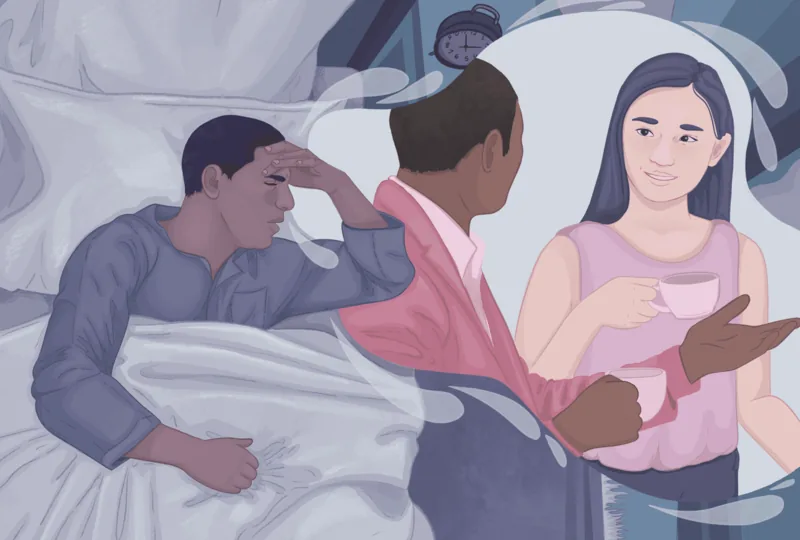
Grandiosity is a core symptom within the spectrum of bipolar disorder, characterized by an exaggerated sense of one’s own importance, abilities, or identity. This can range from an inflated self-esteem to full-blown delusions of grandeur, where an individual holds false, unshakable beliefs about their superiority or unique powers. For instance, someone experiencing grandiosity might genuinely believe they are uniquely destined for greatness, possess extraordinary intelligence, or have special talents far beyond their actual capabilities. These convictions often lead to behaviors that seem out of touch with reality to those around them.
The distinction between grandiosity and grandiose delusions in bipolar is subtle but significant. Grandiosity typically refers to a feeling of being superior to others or having an inflated sense of self-worth. It might manifest as excessive boasting, a disregard for rules, or a constant need for admiration. On the other hand, delusions of grandeur are more severe; they are fixed, false beliefs not rooted in reality, such as believing one has invented a cure for cancer or is in direct communication with a deity. These delusions are incredibly compelling to the individual experiencing them, making it challenging for friends and family to reason with them.
Research consistently highlights the prevalence of these symptoms within the bipolar community. Studies, including those updated for 2025 perspectives, indicate that a significant portion of individuals diagnosed with bipolar disorder experience thought content disturbances, predominantly grandiose and persecutory in nature. For example, grandiose delusions occur in roughly two-thirds of people with bipolar disorder, making them a critical diagnostic indicator. This high prevalence underscores the importance of understanding these manifestations for both diagnosis and effective treatment planning, ensuring that individuals receive appropriate care to manage these often-disruptive symptoms.
2. The Roots of Grandiose Delusions in Bipolar Mania
Grandiose delusions in bipolar disorder are not random occurrences but are intricately linked to the neurobiological shifts that define manic and hypomanic episodes. Grandiosity is one of the key diagnostic criteria for these episodes, signaling a profound alteration in an individual’s mood, energy, and thought processes. Within the context of bipolar disorder, grandiosity is often considered a mood-congruent delusion, meaning its content aligns with the elevated, expansive mood of mania. The individual’s thoughts of extraordinary ability or importance are consistent with their heightened emotional state, making the delusions feel incredibly real and logical to them.
During manic or hypomanic states, the brain’s chemistry undergoes significant changes. Neurotransmitters like dopamine, serotonin, and norepinephrine, which regulate mood, motivation, and perception, are believed to be dysregulated. These chemical imbalances can lead to altered brain activity in regions responsible for judgment, self-perception, and reality testing. While the exact mechanisms are still being researched in 2025, it’s understood that these complex changes contribute to the development of symptoms like grandiosity and other psychotic features. It’s not simply a choice to think grandiosely; it’s a symptom driven by underlying brain dysfunction.
It’s important to note that while grandiosity is a common feature of bipolar mania and hypomania, it doesn’t manifest in every individual with the disorder. The severity and specific presentation can vary widely, influenced by genetic predispositions, environmental factors, and individual brain architecture. The Diagnostic and Statistical Manual of Mental Disorders (DSM-5-TR, 2022) emphasizes that the presence of grandiosity, alongside other manic or hypomanic symptoms, is a crucial factor in confirming a bipolar disorder diagnosis. Understanding these neurobiological underpinnings helps to frame grandiose delusions not as character flaws, but as treatable symptoms of a complex mental health condition.
3. Recognizing the Signs: Grandiosity and Manic Episodes
Recognizing the signs of grandiosity, particularly when it escalates into grandiose delusions in bipolar, is crucial for early intervention. Grandiosity refers to an unrealistic sense of superiority, where an individual believes they are unique, exceptionally talented, or better than others. This often comes with a discernible disdain for those they deem “inferior,” whether based on perceived class, intelligence, or other arbitrary criteria. As a symptom, grandiosity exists on a broad spectrum, ranging from mildly inflated self-esteem to severe, sweeping delusions of grandeur that completely detach a person from reality.
Identifying grandiosity can be challenging because it may initially appear as mere confidence or boastfulness. However, key indicators signal a shift towards a manic or hypomanic episode. Examples of grandiosity include consistently exaggerating personal achievements, dismissing or criticizing the successes of others, and an incessant need to boast about oneself. Individuals might also harbor a belief in their own infallibility or invulnerability, leading to risky behaviors. For instance, someone might genuinely believe they are a financial genius capable of turning a small investment into a fortune overnight, leading to reckless spending (Harvard, 2024).
Further signs of escalating grandiosity often involve a belief that standard rules or societal norms do not apply to them. This can manifest as acting selfishly, treating others with contempt, or being quick to anger if their elevated status is challenged. A person experiencing grandiose delusions in bipolar might struggle to perceive how their actions negatively impact others or how unrealistic their beliefs truly are. Often, it is the concerned observations of friends, family members, or colleagues who notice a significant departure from the individual’s usual demeanor that first highlight the presence of these extreme behaviors, prompting the need for professional evaluation.
4. Distinguishing Grandiosity: Bipolar vs. Narcissistic Personality Disorder
Distinguishing between grandiosity as a symptom of bipolar disorder and grandiosity as a core feature of Narcissistic Personality Disorder (NPD) can be complex, as both conditions involve an inflated sense of self. However, understanding the key differentiators is vital for accurate diagnosis and effective treatment. Grandiosity in NPD is a pervasive, stable pattern of behavior evident across various contexts and over a long period. Individuals with NPD consistently exhibit a need for admiration, a lack of empathy, and a preoccupation with fantasies of unlimited success, power, or beauty. This pattern significantly interferes with their relationships and overall well-being.
In contrast, grandiosity in bipolar disorder is episodic. It typically emerges during manic or hypomanic episodes and subsides as the mood state stabilizes. This fluctuating nature is a critical distinguishing factor. When grandiosity accompanies other hallmark symptoms of mania—such as decreased need for sleep, rapid speech, racing thoughts, increased goal-directed activity, and impulsivity—bipolar disorder should be thoroughly explored as the underlying cause. While grandiosity can also occur in hypomania, a less severe form of mania, it is usually less disruptive and might be more easily overlooked in diagnosis, often appearing as heightened confidence rather than outright delusion.
Another key differentiator lies in the overall presentation and underlying motivation. Individuals with NPD manipulate others to achieve their goals and often lack genuine empathy, viewing others as extensions of themselves or tools to be used. Their grandiosity is a fundamental aspect of their personality structure. For someone with bipolar disorder, grandiose delusions are often a distortion of reality driven by altered brain chemistry during an episode. They may genuinely believe their extraordinary claims, and while their behavior can be destructive, it’s often a symptom of their illness rather than a deeply ingrained, self-serving personality trait (Harvard, 2024). Observing the duration, consistency, and co-occurrence of other symptoms is crucial for clinicians to differentiate these two distinct conditions.
5. Navigating the Impact: Consequences of Grandiose Delusions
The presence of grandiose delusions in bipolar disorder extends far beyond an individual’s internal experience, creating significant ripple effects across their personal and professional life. When someone genuinely believes they possess extraordinary talents or an infallible judgment, it can lead to a severe impairment of decision-making abilities. This compromised judgment often results in impulsive and reckless behaviors, such as extravagant spending, ill-advised business ventures, or engaging in risky activities without considering the consequences. These actions can quickly lead to substantial financial distress, legal issues, or even physical harm, profoundly destabilizing their life.
Socially, grandiose delusions can be incredibly isolating. The individual’s exaggerated sense of superiority often translates into arrogant and dismissive interactions with others. They might criticize friends and family, disregard their feelings, or believe themselves to be above social norms and expectations. This can strain relationships to the breaking point, causing loved ones to feel hurt, alienated, or simply unable to cope with the unrealistic demands and behaviors. The inability of the person experiencing grandiosity to see how their actions affect others further exacerbates these interpersonal conflicts, creating deep rifts that are challenging to repair once the manic episode subsides.
Professionally, the impact of grandiose delusions in bipolar can be devastating. An individual might suddenly believe they are uniquely qualified for a high-level position without the necessary experience, leading to job loss or career setbacks. They might alienate colleagues, disrespect superiors, or make poor business decisions that jeopardize their employment. Maintaining or securing employment becomes exceedingly difficult when one’s behavior is inconsistent and marked by unrealistic self-assessments. In severe cases, where behaviors become extreme or potentially harmful, hospitalization may be required to ensure the individual’s safety and bring their mood symptoms under control, further disrupting their life path.
6. Effective Strategies for Managing Grandiose Delusions in Bipolar
Effectively managing grandiose delusions in bipolar disorder requires a comprehensive and multi-faceted approach, as these symptoms rarely occur in isolation. The primary goal of treatment is to stabilize the underlying abnormally heightened mood state—the manic or hypomanic episode—which fuels the grandiosity. There isn’t a single “cure” for grandiosity itself, but rather a strategy to resolve the episode that gives rise to it. This typically involves a combination of medication, psychotherapy, and robust social support systems, all tailored to the individual’s specific needs and symptom presentation.
Medication is often the cornerstone of treatment for acute manic episodes involving grandiose delusions. Healthcare providers typically prescribe mood stabilizers, such as lithium or valproate, to help regulate brain chemistry and prevent extreme mood swings. In some cases, antipsychotic medications may also be used to address the delusional thinking and help restore a more realistic perception of self and reality. Adherence to medication regimens is critical, as inconsistent use can lead to symptom recurrence or intensification. Regular consultation with a psychiatrist is essential to monitor medication effectiveness and manage potential side effects, ensuring the most optimal treatment plan (Harvard, 2024).
Beyond medication, psychotherapy plays a vital role in helping individuals understand their illness, develop coping mechanisms, and process the impact of their manic episodes. Cognitive Behavioral Therapy (CBT), Dialectical Behavior Therapy (DBT), and family-focused therapy can be particularly beneficial. These therapies help individuals identify early warning signs of an impending episode, challenge distorted thought patterns associated with grandiosity, and improve communication skills with loved ones. Social support, including family involvement and peer support groups, provides a crucial safety net, offering understanding, encouragement, and practical assistance during recovery. By integrating these strategies, individuals can effectively temper behavioral extremes like grandiose delusions, leading to greater stability and improved quality of life as of 2025.