A manic episode is a distinct and prolonged period of abnormally elevated, expansive, or irritable mood, coupled with persistently increased activity or energy. This intense state can leave individuals feeling an overwhelming “buzz” of energy, often leading to impulsive, risky, and potentially dangerous behaviors. Recognizing the signs of what a manic episode is crucial for understanding when to seek professional help, secure an accurate diagnosis, and receive appropriate treatment.
These episodes are characterized by a profound shift in mood and behavior that deviates significantly from a person’s usual functioning. Symptoms can last for a week or more and may include racing thoughts, decreased need for sleep, and engaging in multiple activities simultaneously. While most commonly associated with bipolar I disorder, learning what a manic episode entails is vital as other factors can also trigger these extreme changes.
Understanding the Signs of a Manic Episode
The symptoms of a manic episode can vary widely in their intensity, duration, and overall impact on an individual’s life. Recognizing these signs is paramount, not only for the person experiencing them but also for friends and family who may observe significant behavioral shifts. Some symptoms can even escalate to become medical emergencies, requiring immediate attention.
One of the most alarming signs is the presence of delusions or hallucinations. If a loved one describes seeing or hearing things that aren’t there, or exhibits paranoid thoughts and beliefs that lack a basis in reality, professional medical intervention from a doctor or psychiatrist is necessary without delay. These are serious indicators of what a manic episode can become in its more severe forms.
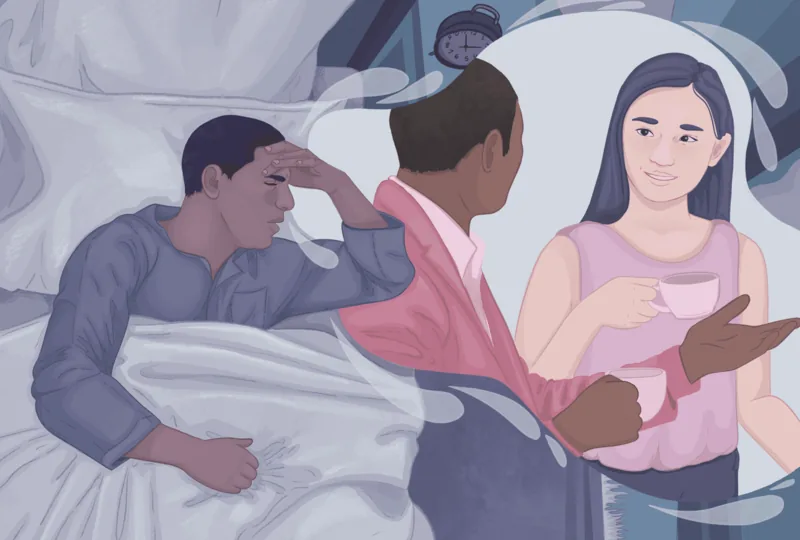
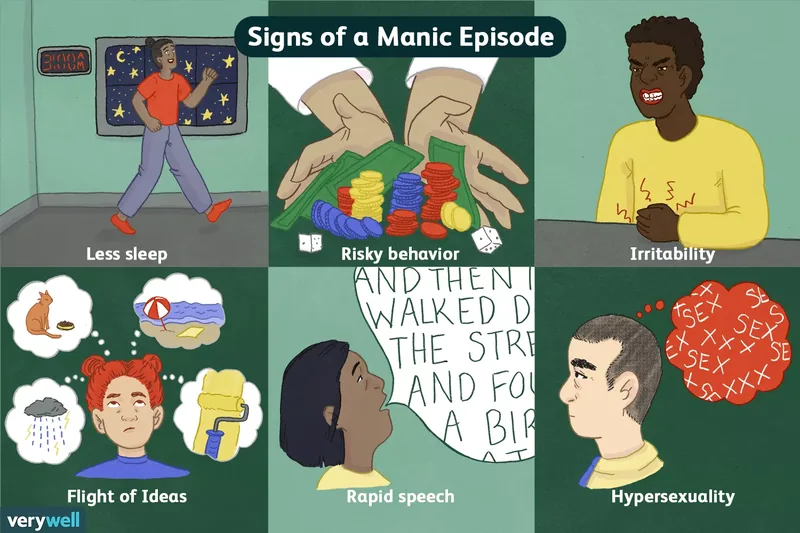
A significantly decreased need for sleep is another common hallmark of an emerging manic episode. Individuals might stay awake for extended periods, perhaps until 4 AM, only to wake up a few hours later feeling completely refreshed and ready to tackle the day. This drastic shift in sleep patterns can be a clear indicator of mania (Harvard, 2024).
People experiencing mania often become intensely engaged in numerous activities simultaneously, akin to “multitasking on steroids.” They might take on several new projects, start multiple hobbies, or experience an extraordinary burst of productivity far beyond their normal capacity. For example, they might decide to deep-clean their entire house, start writing a novel, and plan a spontaneous international trip all within a couple of days.
Rapid and loud speech, often described as pressured speech, is a noticeable change. While some individuals naturally speak quickly, a deviation from a person’s usual speaking pace and volume, where words flow out uncontrollably, can signal a manic episode. This speech may also become hard to follow, jumping from topic to topic.
Being easily distracted is another prevalent symptom. An individual may struggle to maintain focus on one conversation or task, frequently shifting attention to minor stimuli in their environment. In some cases, this can manifest as clang associations, where rhyming words or similar-sounding words distract the person, making their speech difficult to comprehend.
An increased desire for sex, or hypersexuality, is a common symptom during mania. This can lead to uncharacteristic or risky sexual behaviors, such as engaging with sex workers, excessive use of pornographic content, or online sexual interactions. These actions often represent a significant departure from the person’s typical behavior and values.
An overall increase in risky behaviors is a defining characteristic of a manic episode. This might include financial risks like excessive spending, going on impulsive shopping sprees, or gambling large sums of money. Other risky behaviors could involve reckless driving or making sudden, ill-advised career changes. For instance, someone might impulsively quit their stable job to pursue a highly speculative business venture with no prior planning.
Individuals in a manic state frequently report rapid thinking, where their thoughts race uncontrollably through their minds. Externally, they might appear to be speaking coherently, but internally, they are grappling with an overwhelming torrent of unquieted thoughts. Asking a loved one to elaborate on what they mean by “racing thoughts” can provide valuable insight.
Flight of ideas is closely related to rapid thinking and involves a rapid shift from one idea to another, often with only superficial or no logical connection between them. A conversation might jump from discussing tomorrow’s weather to the meaning of life, then abruptly to remembering to feed the cat. This makes it challenging for others to follow the progression of a discussion.
Grandiosity, defined as an exaggerated sense of self-importance, power, knowledge, or identity, is common in mania. This can range from believing oneself to be famous, such as expecting reporters outside their home, to full-blown delusions of grandeur. An example might be believing they have been appointed to a high political office in a foreign country without any real-world basis.
Hostility or increased irritability is also frequently observed during a manic episode. Watch for unreasonable anger or hostility that seems out of character for the individual. Such behavior warrants caution and immediate professional help, as it can be associated with an increased risk for violence or suicidal ideation.
In severe cases, a manic episode can tragically lead to feelings of hopelessness, worthlessness, and thoughts of death or suicide. If a loved one expresses suicidal thoughts, it is imperative to seek immediate help. Resources like the National Suicide Prevention Lifeline at 988 are available for support.
An excessive religious dedication or sudden, intense religious zeal can also be a subtle sign of mania. While religiosity and spirituality are not inherently signs of mental illness, a dramatic and uncharacteristic increase in religious involvement, especially when accompanied by other manic symptoms, should be noted. This could involve sudden claims of divine connection or prophetic insights.
Finally, changes in personal appearance, such as wearing brightly colored or flamboyant clothing, can be a clue. This might reflect a general preference for more revealing attire due to hypersexuality or simply an uncharacteristic shift in style. While bright clothing alone doesn’t indicate mania, it can be a subtle sign when other symptoms are present.
Children can also display signs of mania, though diagnosis is rare and often confused with behavioral disorders. If concerned about a child, consulting a pediatrician is the first step, approaching the topic gently and thoughtfully.
How Manic Episodes Are Diagnosed
Diagnosing a manic episode requires careful clinical evaluation by a mental health professional, typically a psychiatrist. According to the “Diagnostic and Statistical Manual of Mental Disorders,” Fifth Edition, Text Revision (DSM-5-TR), a person must experience a sustained and abnormally elevated, expansive, or irritable mood for at least one week. This period must also include abnormally and persistently increased goal-directed activity or energy, present for most of the day, nearly every day.
The severity of the mania is also a critical factor in diagnosis. The episode must be severe enough to cause marked impairment in daily functioning, significantly disrupt social or occupational activities, or necessitate hospitalization to prevent harm to oneself or others. This ensures that the symptoms are not merely transient mood shifts but represent a significant clinical presentation.
In addition to these core criteria, the individual must exhibit at least three of the following specific symptoms (or four if the mood is only irritable): inflated self-esteem or grandiosity, decreased need for sleep (e.g., feeling rested after only three hours of sleep), being more talkative than usual or experiencing pressured speech, flight of ideas or racing thoughts, distractibility (i.e., attention too easily drawn to unimportant or irrelevant external stimuli), increase in goal-directed activity (either socially, at work or school, or sexually) or psychomotor agitation, and excessive involvement in activities that have a high potential for painful consequences (e.g., unrestrained buying sprees, sexual indiscretions, foolish business investments).
For a diagnosis of Bipolar I disorder, the DSM-5-TR specifies that a person must have experienced at least one manic episode. It’s crucial that this episode is not better explained by other conditions, such as schizoaffective disorder, schizophrenia, schizophreniform disorder, delusional disorder, or other specified or unspecified schizophrenia spectrum and other psychotic disorders. Differentiating between these conditions is a complex process that requires expertise.
The diagnostic process often involves a detailed interview with the patient, gathering a comprehensive history of their mood, behavior, and sleep patterns. Family members or close friends may also be interviewed to provide collateral information, as individuals experiencing mania may not always accurately perceive or report their own symptoms. This holistic approach helps ensure an accurate diagnosis and guides the subsequent treatment plan, addressing what a manic episode truly represents for the individual.
Exploring the Causes of Manic Episodes
While manic episodes are most commonly associated with Bipolar I disorder, they can also arise from a variety of other underlying factors and health conditions. Understanding these diverse causes is essential for accurate diagnosis and effective management, particularly when considering what a manic episode might signify beyond a primary mood disorder.
Bipolar I disorder is the primary condition where manic episodes are a defining characteristic. This complex mental health condition involves significant shifts in mood, energy, activity levels, and concentration, with periods of mania alternating with episodes of depression. Genetic predisposition plays a significant role, meaning individuals with a family history of bipolar disorder are at a higher risk.
Beyond bipolar disorder, several other medical conditions can trigger or mimic symptoms of mania. Neurological conditions such as brain injuries, including traumatic brain injury (TBI), can lead to changes in mood and behavior that resemble mania. Similarly, brain tumors, depending on their location and size, can disrupt brain function and manifest as manic-like symptoms. Inflammatory conditions affecting the brain, such as encephalitis, can also induce acute behavioral changes, including elevated mood and increased energy.
Systemic diseases like lupus, an autoimmune disorder, can sometimes affect the central nervous system, leading to neuropsychiatric symptoms that may include mania. Strokes, which disrupt blood flow to the brain, can also result in mood disturbances and behavioral changes, depending on the affected brain regions. Dementia, a progressive decline in cognitive function, can sometimes present with periods of agitation, impulsivity, and elevated mood that might be mistaken for a manic episode.
Certain medications can have side effects that induce manic symptoms. For instance, corticosteroids, some antidepressants (especially when prescribed without a mood stabilizer for individuals with underlying bipolar tendencies), and stimulants can trigger or exacerbate manic episodes. It is vital for healthcare providers to carefully review a patient’s medication regimen when evaluating for mania.
Recreational drug or alcohol misuse is another significant cause of manic-like symptoms. Substances such as cocaine, amphetamines, and even excessive caffeine can induce states of heightened energy, euphoria, and impulsivity that closely resemble a manic episode. Alcohol withdrawal can also sometimes lead to agitation and mood dysregulation.
Finally, other psychiatric conditions can present with symptoms that overlap with mania. Schizoaffective disorder, which combines features of schizophrenia and a mood disorder, often includes periods of elevated mood, sometimes with psychotic features. Differentiating between these conditions requires careful clinical assessment, as the treatment approaches can differ significantly. Identifying the root cause of what a manic episode represents is a cornerstone of effective intervention.
Effective Treatment Strategies for Manic Episodes
While there is no definitive “cure” for manic episodes, a comprehensive treatment approach combining medication, psychotherapy, and lifestyle adjustments can significantly help individuals manage symptoms, reduce their frequency, and improve overall quality of life. The primary goal of treatment is to stabilize mood and prevent future episodes.
Medication is typically the first line of defense during an acute manic episode. Antipsychotics are often prescribed initially to quickly stabilize severe symptoms, especially those involving psychosis, agitation, or severe sleep disturbance. Common atypical antipsychotics used include Abilify (aripiprazole), Latuda (lurasidone), Risperdal (risperidone), Seroquel (quetiapine), Vraylar (cariprazine), and Zyprexa (olanzapine). These medications work by balancing neurotransmitters in the brain.
For long-term management and to prevent the recurrence of future manic and depressive episodes, mood stabilizers are crucial. Lithium is a well-established mood stabilizer, effective in reducing both manic and depressive symptoms. Other widely used mood stabilizers include Depakote (divalproex sodium) and Tegretol (carbamazepine). These medications help regulate mood swings and maintain emotional stability over time (Harvard, 2024). In cases where sleep is severely disrupted, short-term sleep medication may also be prescribed to help re-establish healthy sleep patterns.
Psychotherapy, delivered by a trained mental health professional, plays an indispensable role in managing what a manic episode can bring. Therapy helps individuals identify early warning signs of mood changes and recognize triggers that might precipitate an episode. It also provides essential coping skills to navigate intense emotions and challenging behaviors. Common therapeutic approaches include Cognitive Behavioral Therapy (CBT), which helps individuals identify and change unhelpful thought patterns and behaviors, and Dialectical Behavior Therapy (DBT), which focuses on emotional regulation, distress tolerance, and interpersonal effectiveness. Family therapy can also be highly beneficial, educating family members about the disorder and improving communication and support within the household.
Support groups offer another crucial layer of assistance, providing a safe and understanding environment for individuals with bipolar disorder. These groups connect people who share similar experiences, offering peer support, shared coping strategies, and a sense of community. This can be particularly valuable for those who may lack extensive supportive networks among friends and family. Engaging in these various treatment modalities creates a robust framework for managing what a manic episode entails and fostering long-term well-being.
Coping Mechanisms During Manic Episodes
Beyond formal medical and therapeutic interventions, adopting specific lifestyle changes and coping strategies can significantly contribute to managing manic episodes and improving daily functioning. These self-management techniques empower individuals to take an active role in their recovery journey.
Prioritizing physical activity is a vital coping mechanism. Engaging in regular exercise, even moderate physical activity daily, can help to dissipate excess energy often associated with mania, improve mood, and promote better sleep. Activities such as brisk walking, jogging, cycling, or yoga can be particularly beneficial. Consistency is key, aiming for a routine that is sustainable and enjoyable.
Maintaining a well-rounded and consistent diet is also important. Avoiding skipped meals helps to regulate blood sugar levels, which can impact mood and energy. Limiting caffeine and sugar intake, especially in the evenings, can further support mood stability and improve sleep hygiene. A balanced diet provides the necessary nutrients for brain health and overall well-being.
Establishing and adhering to proper sleep hygiene is perhaps one of the most critical coping strategies for managing what a manic episode can disrupt. This involves maintaining a consistent sleep-wake cycle, even on weekends, to regulate the body’s natural circadian rhythm. Creating a relaxing bedtime routine, ensuring a dark and quiet sleep environment, and avoiding screens before bed can significantly improve sleep quality. Consistent sleep patterns are a powerful buffer against mood destabilization.
Keeping a journal can be an invaluable tool for self-awareness. Regularly recording daily moods, symptoms (both manic and depressive), sleep patterns, and energy levels can help individuals identify personal triggers and early warning signs of an impending episode. Triggers might include significant life events like job changes, relationship breakups, or moves, but also situational factors such as staying out late, listening to loud music, or starting new, overwhelming projects. This proactive approach helps in understanding what a manic episode means for them personally.
Finally, strict adherence to prescribed medication and scheduled doctor appointments is non-negotiable for effective coping. Consistent medication use, as directed by a healthcare provider, is fundamental to maintaining mood stability and preventing the recurrence of severe episodes. Regular check-ups allow for monitoring medication effectiveness, managing side effects, and adjusting treatment plans as needed. Combining these lifestyle changes with professional treatment provides a robust framework for living well with bipolar disorder.
Supporting Loved Ones Through Manic Episodes
Supporting a loved one experiencing a manic episode can be incredibly challenging and emotionally demanding. It’s crucial for caregivers and family members to prioritize their own well-being while also providing the best possible support. Understanding what a manic episode entails from a caregiver’s perspective is essential for effective assistance.
Practicing self-care is paramount for anyone caring for a loved one with bipolar disorder. This means looking after your own physical and mental health to maintain the strength and resilience needed to help. Seek support from your own friends, family, or a therapist, and ensure you maintain your own routines and interests. Burnout is a real risk, and a well-supported caregiver is better equipped to help.
Vigilance in observing behavior is another key aspect of support. Learn to recognize the subtle and overt signs of an emerging manic episode in your loved one. This includes changes in sleep, speech, energy levels, and decision-making. You might even offer to help your loved one keep a journal of their symptoms and triggers, as they may not be able to do so reliably during an episode. This shared tracking can provide valuable information for their healthcare team (Harvard, 2024).
Educating yourself about bipolar disorder and manic episodes is profoundly empowering. Resources from organizations like the Depression and Bipolar Support Alliance (DBSA) and the National Alliance on Mental Illness (NAMI) offer extensive information and support. A deeper understanding of the disorder helps you differentiate between your loved one and their symptoms, fostering empathy and reducing frustration. It also helps in anticipating challenges and responding effectively to what a manic episode can bring.
Open and calm communication, when possible, is vital. Encourage your loved one to share their experiences and feelings, but also know when to gently redirect or postpone discussions if they are highly agitated or experiencing psychosis. Avoid confrontational approaches, as these can escalate the situation. Instead, focus on expressing concern and a desire to help them get well.
Knowing when to seek professional intervention is perhaps the most critical role of a caregiver. If your loved one’s symptoms become severe, include thoughts of self-harm or harm to others, or involve significant risky behaviors that endanger their safety or finances, do not hesitate to contact their doctor, psychiatrist, or emergency services immediately. Do not try to handle severe situations on your own. Resources like the Substance Abuse and Mental Health Services Administration (SAMHSA) National Helpline are available for guidance and support.
In summary, supporting a loved one through a manic episode requires a blend of self-care, watchful observation, education, empathetic communication, and decisive action when professional help is needed. This comprehensive approach ensures that both the individual and their support system can navigate the challenges of bipolar disorder more effectively.
Conclusion
Understanding what a manic episode is is the first step toward effective management and support for individuals living with bipolar disorder. These periods of intense energy, elevated mood, and often risky behaviors can be disruptive and dangerous, highlighting the critical importance of early recognition and intervention. From subtle shifts in sleep patterns and speech to severe symptoms like delusions and grandiosity, the signs of mania are diverse and impactful.
Timely diagnosis, based on established clinical criteria, is essential to differentiate manic episodes from other conditions that may present similarly. Once identified, a multi-faceted treatment approach involving medication, psychotherapy, and robust support systems can significantly stabilize mood and prevent future episodes. Lifestyle adjustments, such as maintaining consistent sleep, a healthy diet, and regular exercise, further empower individuals to cope with the challenges of mania.
For loved ones, a proactive stance of self-care, education, and vigilant observation is indispensable. Knowing when to seek professional help and utilizing available resources ensures that those experiencing a manic episode receive the care they need. By fostering awareness and promoting comprehensive care, we can improve outcomes and enhance the quality of life for individuals navigating the complexities of manic episodes in 2025 and beyond.