It's 4:30 PM, and the kitchen counter is a battlefield of forgotten snacks and discarded homework sheets. Your child is bouncing off the walls, or perhaps staring blankly at a page, unable to start. You've tried everything--charts, rewards, stern talks--but the daily struggles persist, leaving you both exhausted and frustrated. Sound familiar? Many parents grapple with these moments, often wondering if there's a deeper reason behind their child's unique energy or focus challenges.
When these patterns consistently disrupt daily life, it's wise to consider if Attention-Deficit Hyperactivity Disorder (ADHD) might be at play. The good news is that understanding your child's neurotype opens doors to powerful, affirming support. At its core, how parents can help their children with ADHD involves embracing their unique strengths, providing tailored accommodations, and fostering an environment where they can truly thrive.
Understanding Your Child's Unique Brain
ADHD isn't a flaw or a deficit; it's a form of neurodivergence, a different way the brain is wired. While our neurotypical-centric society often presents challenges, individuals with ADHD also possess incredible strengths--creativity, boundless energy, hyperfocus on passions, and resilience. The key isn't to 'fix' ADHD, but to understand it, accommodate its traits, and empower your child to harness their unique abilities (Harvard Health, 2023).
Children can experience ADHD in different ways:
- Predominantly Inattentive Presentation: These children often appear to be daydreaming, struggle with focus, organization, and completing tasks. They might miss details or seem easily distracted by their own thoughts.
- Predominantly Hyperactive/Impulsive Presentation: These kids are often characterized by constant movement, fidgeting, squirming, and difficulty sitting still. They might blurt out answers, interrupt, or act without considering consequences.
- Combined Presentation: This type involves a significant presence of both inattention and hyperactivity/impulsivity.
For an ADHD diagnosis, these characteristics must be persistent and significantly impact a child's daily life across multiple settings, such as home and school. Typically, these traits emerge before the age of 12 (Mayo Clinic, 2024).
Think about it this way: a child with an inattentive presentation might struggle to follow multi-step instructions in class, leading to missed assignments. A child with a hyperactive presentation might find it nearly impossible to remain seated during quiet reading time, disrupting their own learning and that of others. Recognizing these patterns is the first step in figuring out how parents can help their child navigate a world not always built for their brain.
Navigating the Path to Diagnosis and Support
If you or your child's teacher suspect ADHD, seeking an evaluation is a proactive step towards ensuring your child receives the accommodations they need. Early intervention can make a significant difference, preventing unnecessary distress and building a foundation for success.
There's no single blood test or scan for ADHD. Instead, a pediatrician or mental health professional conducts a comprehensive assessment. This typically involves gathering information from various sources:
- Teacher Report Forms: These provide insights into a child's behavior, attention, and social interactions in the school environment.
- Parent Report Forms: Parents complete questionnaires detailing their child's behavior, ability to follow directions, and self-regulation at home.
- Parent and Child Interviews: These discussions delve into developmental history, family dynamics, and the child's own experiences.
While traditional diagnostic tools view ADHD through a medical lens, consider seeking a neurodiversity-affirming practitioner. They can offer invaluable support without pathologizing ADHD traits, focusing instead on strengths and environmental fit. When preparing for an evaluation, gather any relevant documents: medical records, school reports, previous testing results (IQ, achievement), and contact information for teachers or other supervising adults (ADHD Foundation, 2022).
Empowering Strategies for Home Life
Raising a child with ADHD can be demanding, especially when society isn't inherently designed to accommodate neurodivergent traits. Parents often find themselves investing extra effort in advocating for their children and seeking information on how parents can help them thrive. Children with ADHD may also face a higher risk of accidental injuries due to impulsivity and high energy, underscoring the need for consistent supervision and structured environments (CDC, 2023).
Here are some behavior modification strategies often taught in parent support programs, designed to create a more supportive home environment:
- Provide Positive Attention: Intentional, positive playtime and praise can significantly reduce attention-seeking behaviors and strengthen your parent-child bond. A stronger bond means your child is more likely to respond positively to your guidance. Instead of a generic 'good job,' try 'I noticed how you kept working on that puzzle even when it was tricky, and you found the last piece!' This specific feedback validates their effort and perseverance.
- Give Effective Instructions: Gain your child's full attention before giving directions. This might mean making eye contact, gently touching their arm, or asking them to repeat the instruction. Ask your child what helps them focus. Some children benefit from written instructions, visual aids, or 'body-doubling' (working alongside someone). For a child struggling with morning routines, a visual checklist app on a tablet, showing each step from 'brush teeth' to 'pack bag,' can be incredibly effective (Miller, 2024).
- Praise Your Child's Effort: Actively 'catch' your child being good and point it out specifically. Frequent and specific feedback fosters a secure attachment and reinforces desired behaviors. For instance, instead of 'be good,' try 'I appreciate how you waited patiently for your turn to speak.'
- Establish Reward Systems: Reward systems can be powerful motivators. Work with your child to establish a few target behaviors, such as staying at the dinner table for the duration of a meal or remembering to put their shoes away. Small, consistent rewards can reinforce these habits over time.
Advocating for Success in School
School can be a particularly challenging environment for children with ADHD, but it doesn't have to be. Collaboration among parents, teachers, and healthcare providers is paramount. Understanding how parents can help their children succeed academically often involves advocating for specific accommodations and strategies (CDC, 2023).
Consider these tools and strategies for the school setting:
- Tailored Accommodations: Simple adjustments can make a world of difference. This might include extra time to complete tests, preferential seating near the teacher to minimize distractions, or access to a quiet workspace for independent tasks. A child might also benefit from using noise-cancelling headphones during independent work, or having a designated 'movement break' card they can use quietly when feeling restless (Johnson, 2023).
- Behavior Management Plan (Home-School Link): A consistent plan that extends between home and school can provide much-needed structure. For example, a child might earn points or tokens from their teacher for meeting specific goals, which can then be exchanged for privileges at home, like screen time or a special activity.
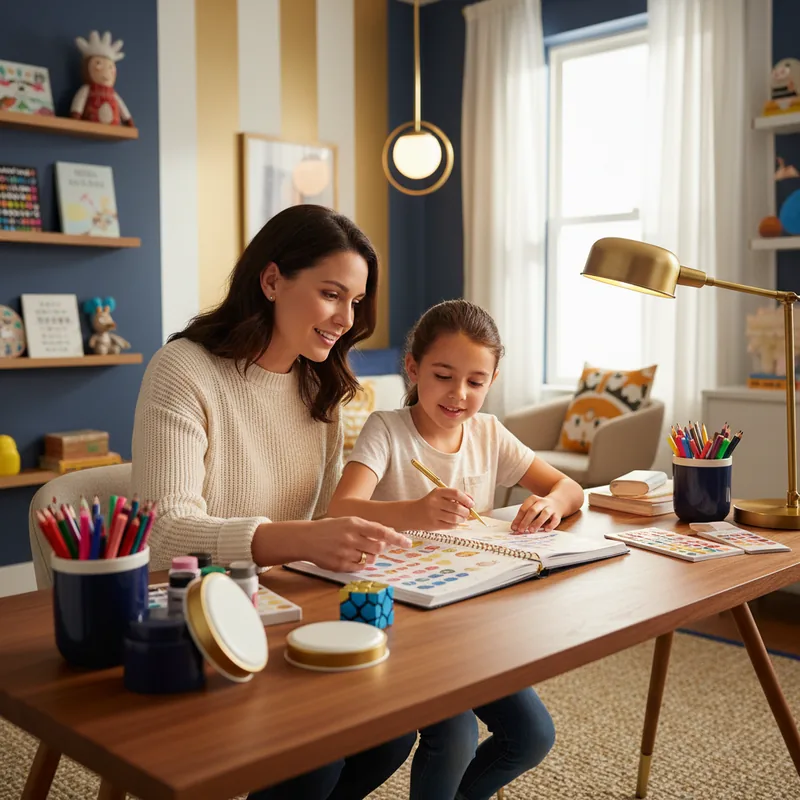
- Structured Home Environment for Learning: Create a consistent homework time with scheduled breaks that accommodate your child's attention span. Design a homework area that supports their ADHD brain, incorporating tools like fidget toys, visual timers, or even 'game-ifying' tasks to make them more engaging. Checklists for packing backpacks or completing morning tasks can also reduce reliance on parental reminders, fostering independence.
Remember, medication can be one part of a comprehensive support plan, but it's not the only solution. Several types of medications are available, and discussions with a healthcare professional can help determine if this is an appropriate path for your child. A school psychologist, guidance counselor, or therapist can also be invaluable partners in developing the best academic support plan.
Building a Future Where Every Child Thrives
Understanding and supporting a child with ADHD is a journey of continuous learning and adaptation. It's about seeing beyond the challenges and recognizing the incredible potential within. By embracing a neurodiversity-affirming perspective, providing consistent structure, and advocating for necessary accommodations, how parents can help their children truly flourish becomes a clear and achievable path.
This isn't about molding a child to fit a neurotypical ideal, but rather about creating environments where their unique brain can shine. Foster open communication, celebrate small victories, and remember that your unwavering support is the most powerful tool in their arsenal. With the right strategies and a compassionate approach, children with ADHD can grow into confident, capable individuals who excel in their own unique ways.