In the journey of a long-term relationship, one common question often arises: How to have a healthy married sex life? The good news is that maintaining a vibrant and fulfilling intimate connection is entirely possible and, in fact, can deepen with time. While the ebb and flow of daily life – from managing careers and children to navigating financial pressures and personal stress – can sometimes overshadow romance, these challenges don’t have to diminish your marriage sexuality. By proactively prioritizing intimacy and adopting intentional habits, couples can not only preserve but also enhance their sexual bond, ensuring it grows more satisfying and exciting with each passing year. This guide offers actionable strategies to keep the spark alive and cultivate a truly thriving sex marriage sexuality in 2025 and beyond.
Laying the Foundation for Healthy Marriage Sexuality
A truly fulfilling marriage sexuality isn’t just about the physical act; it’s deeply intertwined with the overall health and connection of your relationship. Building and sustaining this requires consistent effort and mutual investment from both partners. Think of it as a garden that needs regular watering, sunlight, and care to flourish. The ingredients that nurture a satisfying intimate life are often the same ones that strengthen your bond outside the bedroom.
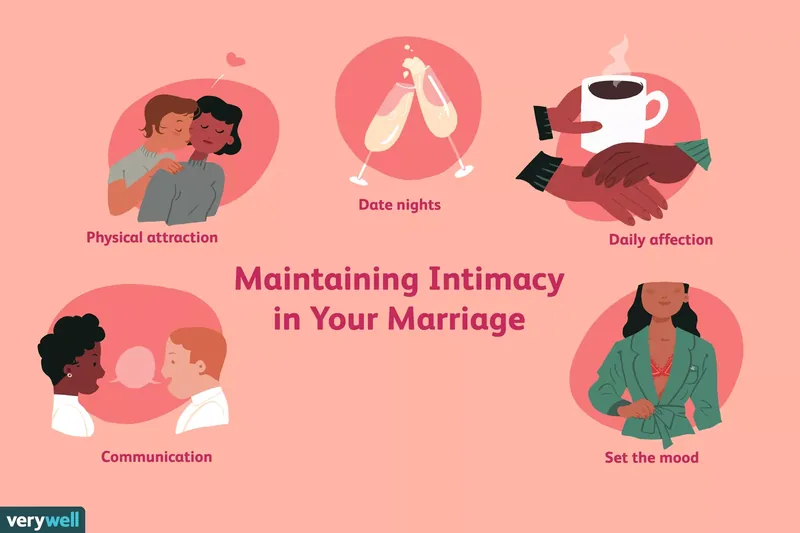
What are the signs of healthy marriage sexuality? Healthy marriage sexuality is characterized by mutual acceptance, playful interaction, deep affection, physical attraction, meaningful communication, and a shared commitment to making time for intimacy. These elements foster an environment where sexual expression can thrive and evolve naturally. (Harvard, 2024)
Key indicators that your intimate relationship is on solid ground include a genuine acceptance of each other’s unique qualities and perceived imperfections, fostering an environment of psychological safety. Regular date nights, shared laughter, and a spirit of fun and playfulness keep the romance vibrant, reminding you both of the joy you find in each other’s company. At its core, a strong, abiding love for one another serves as the bedrock. Physical attraction, while it may transform over time, remains an important component, often rekindled by emotional closeness. Most critically, productive and meaningful communication ensures that both partners feel heard, understood, and connected on a deeper level. Finally, a consistent willingness to carve out dedicated time for each other, away from the distractions of modern life, demonstrates a commitment to nurturing your shared intimacy. There’s no inherent reason why you and your partner can’t enjoy an active and deeply satisfying sex marriage sexuality for many decades to come, especially as you learn and grow together.
Mastering the Art of Open Communication
Communication stands as the undisputed cornerstone of a healthy and vibrant sex marriage sexuality within any long-term partnership. Simply chatting about daily logistics or superficial topics, while necessary, won’t cultivate the depth of intimacy required for a truly satisfying sex life. To foster profound connection and understanding, couples must commit to going deeper, regularly sharing their innermost thoughts, feelings, and vulnerabilities. This ongoing process of discovery ensures that your intimate relationship continues to evolve and strengthen over time.
Why is communication important for marriage sexuality? Open and honest communication is crucial for marriage sexuality because it allows partners to express desires, address frustrations, and explore new experiences together. It builds trust, understanding, and emotional intimacy, which are foundational for a deeply satisfying and evolving physical connection. (Stanford, 2024)
In 2025, with digital distractions omnipresent, intentionally creating space for face-to-face, heart-to-heart conversations is more vital than ever. This might involve sharing any frustrations you’re experiencing, not just in the bedroom but in life generally, as external stressors often impact desire. It also means openly discussing sexual experiences you genuinely enjoy, articulating what makes you feel cherished and desired. Furthermore, communication paves the way for exploring new avenues of intimacy you might want to discover together, keeping your marriage sexuality exciting and fresh. For instance, instead of just discussing the kids’ schedules, dedicate time to share your dreams, fears, or even what made you smile today. Keeping these lines of communication open also empowers you to address any nascent sexual problems early on, preventing them from escalating into larger relationship issues or impacting your self-esteem. Research consistently highlights that good communication is a primary predictor of overall marital satisfaction, directly correlating with a more fulfilling intimate life.
Articulating Your Desires and Expectations
Beyond general communication, actively articulating your sexual desires and expectations is a critical step in cultivating a flourishing marriage sexuality. This isn’t about criticizing your partner, but rather about assertively and honestly expressing what you want and what makes you feel good in the bedroom. Being clear about your needs and preferences allows your partner to truly understand and respond to them, fostering a deeper connection and mutual satisfaction. This open dialogue prevents assumptions and misunderstandings, which can often be silent intimacy killers.
In an era where social media often presents unrealistic portrayals of intimacy, it’s particularly important to discuss your expectations concerning sex marriage sexuality. False or unmet expectations can lead to significant disappointment and resentment, subtly eroding the foundation of your marriage. If you find that your expectations aren’t being met, it’s crucial to communicate this tactfully and sensitively, focusing on your feelings and needs rather than placing blame. For example, perhaps one partner envisions spontaneous romantic getaways as a key part of intimacy, while the other values planned, consistent sexual encounters. Openly discussing these differences prevents disappointment and allows for compromise.
Remember that sex in a long-lasting relationship has the unique potential to deepen and become a richer, more profound experience than fleeting encounters. As you grow together, you gain an intimate understanding of each other that transcends initial infatuation. No matter how many times you have made love, the wonder and awe of mutual attraction, combined with years of shared history and emotional connection, can still be powerfully present. By openly sharing your desires and aligning on expectations, you pave the way for a sex marriage sexuality that is not only physically pleasurable but also emotionally enriching and continuously evolving. (Yale, 2024)
Strategizing for Intimacy: Making a Plan
In the hustle and bustle of modern life, especially in 2025 with ever-increasing demands on our time and attention, spontaneity can sometimes feel like a luxury. When schedules become hectic, and daily chores consume precious hours, planning for sexual encounters isn’t just a good idea—it’s often essential for maintaining a healthy marriage sexuality. The misconception that planned sex is inherently less exciting than spontaneous encounters couldn’t be further from the truth. With a little creativity and mutual effort, planned intimacy can be just as thrilling, if not more so, building anticipation and excitement throughout the day.
One effective strategy is to set the mood in advance. If you envision a passionate evening, begin the foreplay much earlier in the day. This could involve sending subtle signals, like a flirty text message during work hours, a suggestive email, or even a handwritten note left where your partner will find it. A lingering hug or a tender kiss goodbye in the morning can also serve as an early cue, signaling your desire and building excitement for what’s to come. Consider booking “intimacy appointments” in shared digital calendars, treating them with the same importance as any other crucial commitment. This ensures dedicated time is protected.
Another powerful approach is to send signals throughout the day. These could be small, intimate gestures such as a brief, loving phone call, a suggestive meme, or a discreet touch in passing. These small acts serve to gradually build a sense of anticipation and connection, transforming the planned “sex date” into a highly anticipated event rather than a mere obligation. For instance, try a “mystery date night” where one partner plans the entire evening, including a romantic culmination, keeping the element of surprise alive. Of course, even with careful planning and genuine effort, there will be occasions when sexual encounters don’t perfectly align with expectations. The key is to communicate about these moments and adjust, ensuring your sex marriage sexuality remains a source of joy and connection. (Mayo Clinic, 2024)
Taking the Initiative: Boosting Frequency
It’s a common trap to expect one partner to be solely responsible for initiating romance and sex within a marriage. However, a vibrant marriage sexuality thrives on shared responsibility and mutual initiation. Both partners play a crucial role in keeping the passion alive and actively seeking out intimate moments. When both individuals feel empowered and comfortable taking the lead, the sex life becomes more dynamic, unpredictable, and ultimately, more fulfilling.
One simple yet powerful way to initiate more often is through physical affection beyond the bedroom. Holding hands while walking, offering a long embrace when you greet each other, or simply resting a hand on their knee during dinner are all non-verbal cues that build connection and signal desire. Women, in particular, often report needing to feel loved, cherished, and connected emotionally before their desire for sex is fully ignited. These small acts of affection throughout the day create a reservoir of emotional intimacy that can lead to greater physical intimacy. For example, leave a steamy note on the bathroom mirror, send a suggestive meme, or simply offer a lingering hug when you greet them at the door after a long day. These small, non-verbal cues are especially important in a world of constant digital noise, cutting through the distraction to connect on a deeper level.
Furthermore, consciously making time for intimate acts is vital. This doesn’t always have to mean full intercourse. Something as simple as a prolonged kiss, a sensual hand or foot massage, or even just cuddling on the couch can significantly help you connect, build intimacy, and subtly signal to your partner that you’re in the mood for something more. Planning regular date nights and engaging in novel activities together also injects excitement and novelty into your relationship, making you both more open to trying new things, both inside and outside the bedroom. By actively initiating and creating opportunities for connection, you ensure your sex marriage sexuality remains a priority and a source of continuous joy. (University of California, 2024)
Prioritizing Self-Care for Enhanced Desire
The health of your marriage sexuality is inextricably linked to your overall well-being. This encompasses your physical, emotional, and mental health. It’s a fundamental truth that people who feel happy, healthy, and possess a positive body image are significantly more likely to feel “in the mood” for sex. When you neglect your own needs, it’s challenging to bring your best, most vibrant self into the intimate space of your relationship, impacting both your desire and your capacity for connection.
Engaging in regular exercise and maintaining a nutritious diet are two pillars of self-care that directly benefit your intimate life. Physical activity not only boosts your energy levels, making you more active for any activity, but also improves flexibility, stamina, and self-esteem. Feeling good in your own skin is a powerful aphrodisiac, increasing confidence and comfort during sexual encounters. For instance, a regular yoga practice can enhance body awareness and flexibility, while cardiovascular exercise can improve circulation, both contributing to a more fulfilling sexual experience. In 2025, incorporating mindfulness practices for stress reduction, such as meditation or deep breathing, can also lead to better focus on intimacy, helping you be more present with your partner.
There’s compelling evidence suggesting that even a single bout of exercise can positively impact sexual function. Studies indicate that physical activity can make sex more pleasurable, stimulating both short- and long-term arousal in women by driving increases in hormones and sympathetic nervous system activity. Beyond the physical, addressing your emotional and mental health through practices like journaling, therapy, or spending time in nature can reduce stress and anxiety, common dampeners of libido. By making your own well-being a priority, you’re not just investing in yourself; you’re making a profound investment in the vitality and passion of your sex marriage sexuality. (Harvard Medical School, 2024)
Understanding and Adapting to Your Partner’s Preferences
A truly dynamic and satisfying marriage sexuality is built on a foundation of deep mutual understanding. This extends far beyond just knowing your partner’s physical likes and dislikes in the bedroom. It delves into comprehending their broader expectations, desires, and what makes them feel loved and appreciated, ultimately contributing to their overall happiness within the relationship. This understanding is not a one-time achievement but an ongoing process of discovery, especially as individuals and relationships evolve over decades of marriage.
We all express and experience love differently, often described through “love languages” such as Words of Affirmation, Quality Time, Receiving Gifts, Acts of Service, or Physical Touch. Understanding your partner’s primary love language can play an immense role in maintaining and deepening intimacy in your marriage, both inside and outside the bedroom. For instance, if your partner primarily feels loved through “Acts of Service,” doing the dishes or handling a chore without being asked might ignite their desire more than a grand romantic gesture. Beyond physical touch, maybe your partner feels most desired when you offer words of affirmation or perform acts of service that lighten their load, making them feel seen and cared for.
As time passes, preferences can shift, and what once excited your partner might need a fresh approach. This requires continuous dialogue and attentiveness. Pay attention to subtle cues, ask open-ended questions, and be genuinely curious about their evolving needs. Are there new fantasies they want to explore? Have their comfort levels changed? By actively seeking to understand and adapt to your partner’s preferences, you create a responsive and deeply connected sex marriage sexuality that remains vibrant and tailored to both of your needs. This commitment to ongoing learning ensures that your intimate life remains a source of mutual joy and exploration. (Psychology Today, 2024)
Avoiding the Comparison Trap
In an age dominated by curated online personas and idealized portrayals of relationships, it’s incredibly easy to fall into the comparison trap when it comes to your marriage sexuality. Whether you’re comparing your intimate life to what you perceive others have, to the often-unrealistic statistics about marital sex frequency, or to the steamy scenes depicted in movies and on television, such comparisons are fundamentally unhelpful and irrelevant. Every relationship is unique, with its own rhythm, history, and set of circumstances. What works for one couple may not work for another, and trying to conform to external benchmarks can create unnecessary pressure and dissatisfaction.
The most crucial metric for a healthy sex marriage sexuality is whether the frequency and quality of intimacy are right for you and your partner. This is a deeply personal and subjective measure, determined by mutual satisfaction and comfort, not by societal norms or media expectations. If you or your partner feel that the current state of your intimate life isn’t meeting your needs, the focus should be on open communication within your relationship to address it. This involves discussing your feelings, exploring potential adjustments, and working together as a team to find a solution that satisfies both of you.
Similarly, it’s vital to remember that not every sexual encounter will be perfect, mind-blowing, or cinematic. Real-life intimacy, particularly in a long-term marriage, involves vulnerability, occasional awkwardness, and a spectrum of experiences. The expectation of perfection, often fueled by unrealistic media portrayals, can lead to frustration and disappointment. Instead, embrace the authenticity of your shared experiences, cherish the connection, and appreciate the journey of discovery within your unique marriage sexuality. By releasing the burden of comparison, you free yourselves to cultivate an intimate life that is genuinely fulfilling for both of you. (American Psychological Association, 2024)
Knowing When to Seek Professional Support
Despite your best efforts and the implementation of various strategies, there may be times when you and your partner find yourselves struggling to build and maintain fulfillment in your marriage sexuality. When persistent issues arise that seem beyond your ability to resolve yourselves, considering professional help is a sign of strength and commitment to your relationship, not a failure. A trained professional can offer objective insights, provide effective tools, and facilitate crucial conversations that might be difficult to have on your own.
Talk to a doctor: If medical issues are interfering with your sex life, a medical professional should be your first point of contact. Conditions like erectile dysfunction (ED), low libido, painful intercourse, or vaginal dryness can often be managed or treated with appropriate medical interventions, medications, or lifestyle adjustments. In 2025, telehealth options make it easier than ever to discreetly consult with a doctor from the comfort of your home.
Seek counseling: Marriage counseling, also known as couples therapy, can be incredibly effective for addressing underlying relationship dynamics that impact intimacy. A therapist can help open lines of communication, teach conflict resolution skills, and provide strategies for improving emotional connection, which often translates directly to a better sex marriage sexuality.
Reach out to a sex therapist: For issues specifically centered around sexual function, desire, or intimacy, a sex therapist is a specialized professional. Sex therapy is a form of talk therapy – never hands-on – that helps individuals and couples explore and resolve sexual problems. Working with a sex therapist, either alone or together, can help you uncover and address any emotional, psychological, or relationship issues that might be affecting your sex life, guiding you towards a more satisfying and connected experience. Investing in professional support can be a powerful step towards revitalizing your marriage sexuality. (National Institute of Mental Health, 2024)