:max_bytes(150000):strip_icc()/GettyImages-1002347318-5a81284d3de4230037a36c84.jpg)
Feeling profoundly sad, irritable, or drained when everything in your life appears to be going well can be incredibly confusing. If you’re grappling with the question, “why am I depressed for no reason?”, it’s vital to understand that depression is a complex medical condition, not merely a reaction to adverse life events. You can feel depressed for no apparent reason because it often stems from a combination of biological, genetic, environmental, and psychological factors, even when your external circumstances seem positive. Understanding these underlying causes is crucial for effective treatment and validates your feelings, regardless of external triggers, helping you move towards healing and mental well-being.
1. Understanding Unexplained Sadness: The Lived Experience
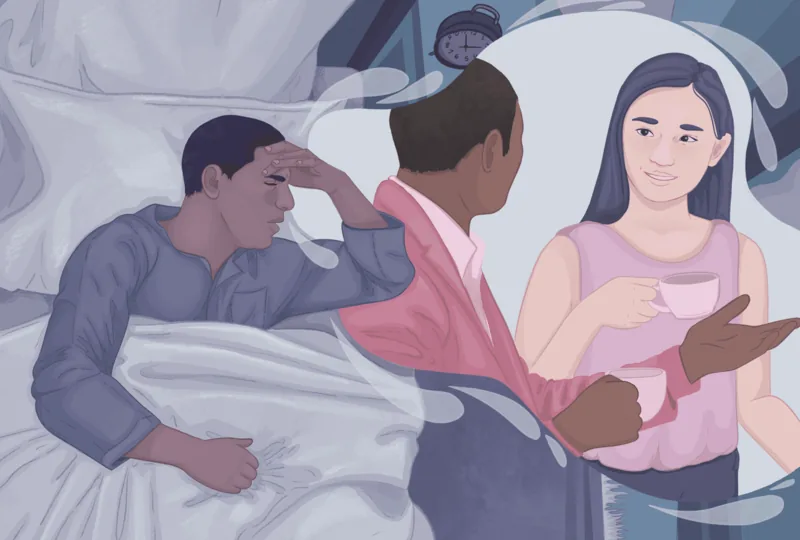
Many individuals experience profound sadness, anger, or irritability despite outwardly positive lives. This “depressed no reason?” feeling can lead to confusion, guilt, and a sense of isolation, making it difficult to seek help due to a perceived lack of justification or fear of judgment. Imagine having a stable job, a loving family, a comfortable home, and engaging hobbies, yet feeling a persistent, heavy cloud of despair. This paradox is a common experience for those facing depression without an obvious trigger.
This internal conflict can be incredibly distressing. You might find yourself constantly questioning, “Why am I depressed when everything is fine?” This questioning can lead to self-blame, reinforcing the idea that your feelings are unwarranted. For instance, a successful professional with a thriving career and supportive relationships might feel immense guilt for experiencing profound sadness, believing they “have no right” to feel that way compared to others facing hardship. This internal pressure often prevents individuals from acknowledging their struggle, much less seeking professional help.
The absence of a clear “trigger” – such as a recent loss, job termination, or divorce – can make depression even more perplexing. Unlike situational depression, where feelings are directly linked to an event, unexplained depression feels like an unwelcome intruder. This can lead to a sense of profound loneliness, as others may struggle to empathize with sadness that lacks an identifiable cause. The individual might fear being perceived as ungrateful or exaggerating their feelings, further isolating them from potential support networks.
Moreover, if there’s no family history of mental illness, a person might dismiss the possibility of a genetic predisposition, adding to their confusion. They may meticulously review their past, searching for a traumatic childhood event that could “justify” their current feelings, only to find none. This fruitless search can deepen feelings of hopelessness and make the idea of seeking treatment seem less valid. Recognizing that depression can manifest without a clear external reason is the first step toward self-compassion and seeking appropriate care.
2. Unpacking the Science: Why You Feel Depressed for No Reason
Depression often arises from complex interactions of brain chemistry imbalances, genetic predispositions, and environmental exposures, rather than a single identifiable “reason.” Modifiable factors like diet and substance use can also contribute, but addressing them is challenging amidst depressive symptoms (Harvard, 2024). Current research, as we move into 2025, increasingly points to a multifaceted etiology for mood disorders, emphasizing that external circumstances are only one piece of a larger puzzle.
One significant factor is brain chemistry. While not fully understood, imbalances in neurotransmitters like serotonin, norepinephrine, and dopamine are strongly implicated in depression. These chemical messengers play crucial roles in regulating mood, sleep, appetite, and energy levels. An imbalance can occur independently of life events, leading to persistent symptoms. For example, some individuals may have a genetic variation that affects how their brain processes serotonin, making them more susceptible to depression even in stable environments. This biological underpinning highlights why someone can be depressed without reason from an external perspective.
Beyond immediate brain chemistry, non-modifiable risk factors contribute significantly. Genetic predisposition means that if depression runs in your family, you might be more vulnerable, regardless of your personal life experiences. Brain structure and function also play a role; differences in areas like the prefrontal cortex or hippocampus have been observed in individuals with depression. Furthermore, early environmental exposures, such as prenatal stress or childhood adversity, can alter brain development and increase susceptibility to mood disorders later in life, even if those early events are not consciously remembered as “reasons” for current sadness.
Modifiable risk factors, though influenced by lifestyle, can be incredibly difficult to address when already struggling with depression. Chronic stress, poor diet, lack of physical activity, and substance use are all known contributors. While these might seem like “reasons,” the debilitating symptoms of depression—such as profound fatigue, lack of motivation, and anhedonia—often create a vicious cycle, making it nearly impossible to engage in healthy behaviors. For instance, someone feeling depressed for no reason might struggle to find the energy to cook nutritious meals or exercise, further exacerbating their condition. This reinforces the need for external support and professional intervention to break the cycle.
3. Navigating Social Perceptions and Stigma
The stigma surrounding “depressed no reason?” often leads individuals to hide their struggles, fearing judgment from employers, peers, or family. Internalizing negative societal messages can worsen self-esteem, making it harder to acknowledge the medical nature of their condition and seek necessary support. This societal pressure to have a “valid” reason for sadness creates an immense burden, forcing many to wear a mask of normalcy even when they are deeply suffering.
In professional settings, the fear of being seen as less capable or reliable is pervasive. An employee might worry that admitting to depression, especially when they can’t pinpoint a cause, could jeopardize their career prospects or lead to being overlooked for promotions. This concern is particularly acute for young professionals who might be labeled “slackers” if their performance dips due to mental health challenges. These societal judgments reinforce a narrative that depression is a weakness rather than an illness, preventing open dialogue and access to workplace support.
Similarly, within social circles and families, the lack of an obvious trigger can lead to misunderstandings. Friends or family members, well-meaning but uninformed, might suggest “cheering up” or “looking on the bright side,” inadvertently minimizing the individual’s pain. This can make the person feel even more isolated, believing their feelings are not legitimate or that they are a burden. For example, a parent experiencing depressed without reason might fear being deemed “unfit” or worry about the impact on their children, leading them to conceal their struggles at great personal cost.
The pressure to justify one’s depression can be overwhelming, causing individuals to internalize false beliefs about themselves. They might start to believe they are ungrateful, weak, or simply not “trying hard enough.” This self-criticism, fueled by societal stigma, can significantly lower self-esteem and perpetuate the cycle of depression. It is crucial to remember that a person’s outward appearance rarely reflects their internal struggles; many individuals master the art of hiding their pain. Shifting the focus from subjective “reasons” to objective “causes” helps demystify depression and encourages a more compassionate, evidence-based approach to mental health.
4. Proven Pathways: Effective Treatments for Unexplained Depression
Effective treatments for depression, even when there’s no clear trigger, include psychotherapy (like CBT), antidepressant medications, and advanced brain stimulation therapies such as ECT or TMS. A personalized approach, often combining multiple methods, is essential for managing symptoms and improving quality of life. The journey to finding the right treatment can be challenging, but persistent collaboration with healthcare professionals is key to unlocking relief from feeling depressed for no reason.
Psychotherapy is often a first-line treatment for depression. Cognitive-Behavioral Therapy (CBT) is particularly effective, helping individuals identify and challenge negative thought patterns that contribute to their depressive symptoms. By reframing distorted thinking, CBT empowers individuals to develop healthier coping mechanisms. Other therapeutic approaches, such as Interpersonal Therapy (IPT) or psychodynamic therapy, can also be beneficial, offering different lenses through which to understand and manage one’s emotional landscape. Online therapy platforms have also emerged as a convenient and often more accessible option, supplementing in-person care and broadening access to mental health support in 2025.
Medications, particularly antidepressants, are frequently prescribed, often in conjunction with psychotherapy. Selective Serotonin Reuptake Inhibitors (SSRIs) like fluoxetine (Prozac) and sertraline (Zoloft) are common choices, working to balance brain chemistry. Other classes of antidepressants, such as SNRIs (serotonin-norepinephrine reuptake inhibitors) or atypical antidepressants, may be used if SSRIs are not effective. It’s crucial to work closely with a psychiatrist or healthcare provider to find the right medication and dosage, as effectiveness varies greatly among individuals, and careful monitoring is required.
For those whose symptoms are resistant to traditional therapies and medications, advanced brain stimulation techniques offer promising alternatives. Electroconvulsive Therapy (ECT), though historically stigmatized, is highly effective for severe, treatment-resistant depression by inducing a brief seizure to reset brain activity. Newer, less invasive options include Transcranial Magnetic Stimulation (TMS), which uses magnetic fields to stimulate specific brain areas, and Vagus Nerve Stimulation (VNS), which involves implanting a device to send electrical pulses to the vagus nerve. These cutting-edge treatments provide hope for individuals who have exhausted other options, demonstrating that even severe cases of unexplained sadness can be addressed with targeted interventions. The key is to remain proactive and open to exploring different avenues under professional guidance.
5. Empowering Support: Helping Loved Ones with Unexplained Depression
To support a loved one experiencing unexplained depression, practice compassionate, active listening and avoid dismissive platitudes like “just snap out of it.” Focus on validating their feelings and understanding that depression is a medical illness, offering consistent support without minimizing their experience or blaming them. It’s common for caregivers to feel frustrated or overwhelmed, especially when efforts to help seem futile, but prioritizing your own well-being is also essential to sustain your support.
When a loved one is depressed for no reason, your attempts to help might be met with resistance or seem ineffective. This can lead to caregiver burnout, a state of physical, emotional, and mental exhaustion. If you find yourself tempted to tell them to “try harder” or “just be positive,” it’s a sign to pause and reflect on your own emotional needs. Seeking support for yourself, whether through a support group or personal therapy, ensures you have the resilience to continue offering help without depleting your own resources. Remember, you cannot pour from an empty cup.
Communication can be particularly challenging. Depression can distort perception, causing your loved one to misinterpret your words, even if your intentions are good. What you intend as reassurance might be heard as dismissal or accusation. Instead of offering unsolicited advice or comparing their pain to others’ struggles, focus on being a compassionate and active listener. Ask open-ended questions, allow them to express their feelings without interruption, and validate their experience by saying things like, “It sounds incredibly difficult to feel this way,” or “I hear how much you’re struggling.” This approach helps them feel understood rather than judged.
Avoid platitudes such as “it could be worse” or “look at all the good things in your life.” While these comments might come from a place of wanting to provide perspective, they often inadvertently minimize their pain and reinforce feelings of guilt, especially if they are already struggling with the concept of being depressed for no apparent reason. Instead, emphasize that their feelings are valid and that seeking help is a sign of strength, not weakness. Maintaining open lines of communication, offering practical assistance, and encouraging professional help when they are ready are among the most powerful ways to support someone navigating the complexities of unexplained depression.
If you or a loved one are struggling with depression, contact the Substance Abuse and Mental Health Services Administration (SAMHSA) National Helpline at 1-800-662-4357 for information on support and treatment facilities in your area. For more mental health resources, see our National Helpline Database.
:max_bytes(150000):strip_icc()/GettyImages-1002347318-5a81284d3de4230037a36c84.jpg)