
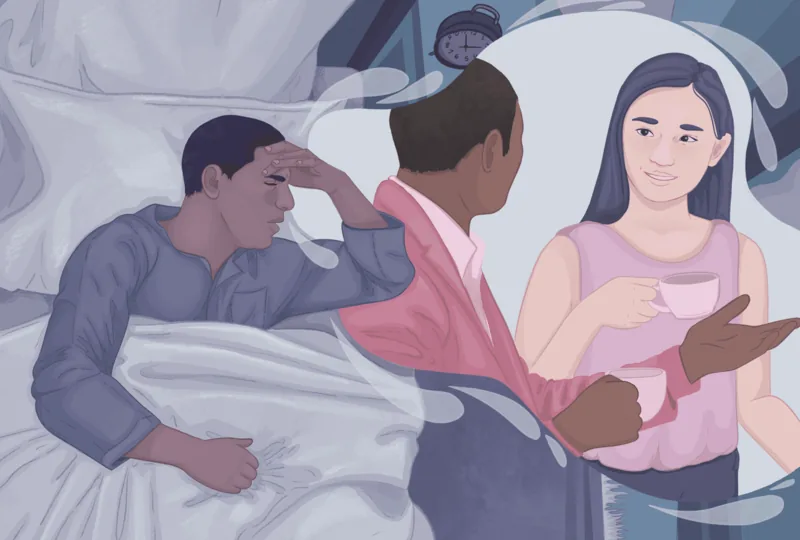
Have you ever found yourself suddenly gripped by a racing heart, sweaty palms, and that unmistakable knot in your stomach, all while thinking, “Why am I so anxious for no reason?” It’s a frustrating and often unsettling experience, especially when no obvious trigger presents itself. The good news is, while the cause might not be immediately apparent, there’s almost always an underlying reason for these feelings, and understanding them is the first step toward finding relief. In 2025, with our increasingly complex lives, unexplained anxiety is a common yet manageable challenge.
It’s crucial to understand that feeling anxious without a clear, conscious trigger is a very normal human experience, particularly for those prone to anxiety. Your body and mind can react to subtle cues, internal shifts, or accumulated stress that you haven’t consciously processed. Just because you can’t pinpoint the cause doesn’t mean your feelings aren’t valid or real; they are signals from your nervous system indicating an imbalance or unresolved issue that needs attention (Harvard, 2024). This guide will help you decode those signals and equip you with proven strategies to regain your calm.
1. Understanding Unexplained Anxiety: The Core Truth
It’s common to wish anxiety always made logical sense, appearing only when facing a clear threat like a looming deadline or a difficult conversation. However, for many, the unsettling question, “Why am I so anxious for no reason?” is a frequent companion. The truth is, anxiety doesn’t always wait for a rational cue. It can manifest seemingly out of nowhere, leaving you bewildered and even more distressed by the lack of an identifiable cause. This phenomenon is a fundamental aspect of how anxiety often presents itself, according to mental health experts.
Rachel Brown, LCPC, a licensed clinical professional counselor, explains that anxiety frequently emerges without any obvious external trigger. This doesn’t diminish the reality of your experience; the physical and emotional sensations are undeniably real. For individuals living with anxiety disorders, experiencing these seemingly random bouts of anxiety is even more common, as their nervous systems are often more sensitive and reactive to subtle internal or external shifts (Harvard, 2024). Rachel Goldberg, LMFT, a therapist, reassures that you are not imagining these feelings; the absence of a clear trigger doesn’t negate the legitimacy of your anxiety. Recognizing this reality is the first crucial step toward addressing and managing these episodes effectively, moving past the confusion to find meaningful relief.
2. Hidden Triggers: Where Does Random Anxiety Come From?
When you’re asking, “Why am I so anxious for no reason?”, the lack of a clear answer can be as distressing as the anxiety itself. The quest for understanding is natural, as pinpointing a cause often feels like the key to finding a solution. While the trigger might not be immediately obvious, a range of factors can contribute to these mysterious bouts of anxiety. Understanding these potential hidden causes can empower you to unravel the mystery and start addressing the root issues.
Several factors can lead to feelings of being anxious for no reason. Hormonal fluctuations, particularly common in women, can significantly influence mood and lead to intrusive anxious thoughts (Harvard, 2024). Beyond biology, social and environmental elements play a huge role. Stressful work environments, academic pressures, complex home life situations, or even past childhood traumas can create a vulnerability to anxiety that might surface unexpectedly. For example, prolonged exposure to “doomscrolling” on social media in 2025, constantly consuming negative news, can subtly elevate your baseline anxiety without a single direct trigger.
Sometimes, the cause can be surprisingly positive. Anticipation, even for a joyful event like a long-awaited vacation or a major personal achievement, can mimic the physical sensations of fear, causing you to feel anxious for no reason. Your body’s physiological response to excitement can be similar to its response to stress, leading to a misinterpretation of these feelings. Another frequent culprit is an unresolved issue lurking beneath your conscious awareness. Perhaps a minor disagreement with a loved one, though seemingly settled, has left lingering emotional residue that your subconscious continues to process, manifesting as unexplained anxiety. Similarly, learned responses from past traumatic experiences can be triggered by subtle environmental cues that you aren’t consciously registering, making the anxiety feel entirely random.
Finally, daily lifestyle and physiological factors are powerful, yet often overlooked, contributors to feeling anxious for no reason. Excessive caffeine intake, chronic lack of quality sleep, nutritional deficiencies from not properly fueling your body, or even changes in medication can all directly impact your nervous system and elevate anxiety levels. For instance, a diet high in processed foods and sugar can cause blood sugar spikes and crashes, creating physiological stress that translates into feelings of anxiety (Harvard, 2024). Addressing these foundational elements can significantly reduce the frequency and intensity of seemingly random anxious episodes.
3. Is Your Anxiety Normal? When to Pay Attention
When anxiety strikes suddenly, or you find yourself frequently asking, “Why am I so anxious for no reason?”, a natural concern is whether this is a normal experience or a sign of something more serious. It’s important to distinguish between helpful and unhelpful anxiety. Helpful anxiety serves as a motivator, prompting us to be punctual, pay bills, or engage in healthy habits like exercise. It’s a natural alert system that keeps us safe and productive.
However, anxiety crosses into unhelpful territory when it becomes overwhelming, leads to rumination, or causes avoidance behaviors. For example, helpful anxiety might remind you to pay your bills on time, but unhelpful anxiety might lead you to obsess over finances to the point of avoiding the task entirely (Harvard, 2024). The key indicator of whether your anxiety is becoming problematic lies in its impact on your daily life. Occasional, unexplained anxiety is not necessarily a cause for alarm, and it often can be managed with coping strategies.
Goldberg emphasizes that while experiencing anxiety without a clear trigger is normal, its frequency and intensity are crucial considerations. If these episodes become frequent, consume your energy, or begin to interfere with your daily functioning—such as impacting your work performance, social interactions, or ability to enjoy hobbies—it’s a signal that the anxiety needs to be proactively addressed. Ignoring persistent, unexplained anxiety can lead to it becoming a regular and debilitating part of your life, making it harder to manage over time. Recognizing these signs early allows for timely intervention and the implementation of effective strategies to prevent it from escalating.
4. Proven Strategies to Reduce Anxiety Today
Regardless of why you’re asking, “Why am I so anxious for no reason?”, the immediate goal is always relief. Fortunately, a combination of proactive lifestyle adjustments and in-the-moment techniques can significantly reduce both current anxiety and its future occurrences. Integrating these strategies into your daily routine can build resilience and create a calmer baseline for your nervous system.
For long-term anxiety reduction, consider these expert-backed strategies (Harvard, 2024):
- Incorporate Regular Exercise: Physical activity is a powerful antidote to anxiety. It helps burn off excess nervous energy, releases endorphins, and improves mood. Even a brisk 30-minute walk daily can make a significant difference in managing feelings of being anxious for no reason.
- Maintain Good Sleep Hygiene: Consistent, quality sleep is non-negotiable for mental well-being. Establish a regular sleep schedule, create a relaxing bedtime routine, and ensure your bedroom is conducive to rest. Poor sleep can exacerbate feelings of anxiety and make you more susceptible to unexplained episodes.
- Limit Alcohol and Caffeine: Both substances can disrupt your nervous system. Caffeine is a stimulant that can trigger anxiety symptoms, while alcohol, though initially calming, can lead to rebound anxiety as it leaves your system. Reducing or eliminating them can stabilize your mood.
- Practice Journaling: Writing down your thoughts and feelings can be a powerful way to explore subconscious triggers and express emotions you might not realize you’re holding onto. It provides an outlet for processing complex feelings that might contribute to feeling anxious for no obvious reason.
- Add Yoga or Meditation: These practices are excellent for slowing down brain activity and promoting relaxation. Even short daily sessions can train your mind to be less reactive and more present, reducing the likelihood of random anxiety spikes. Many free apps and online resources are available for guided meditations.
- Incorporate Daily Routines: Predictability can be a great anxiety reducer. Establishing consistent routines for meals, work, and leisure can create a sense of control and reduce the unpredictability that often fuels anxiety. This structure can be particularly helpful when you’re feeling anxious for no reason, as it provides a stable anchor.
When anxiety is hitting you right now, these immediate actions can help quiet your nervous system:
- Deep Breathing Techniques: Brown suggests that techniques like deep belly breathing or box breathing (inhale for four, hold for four, exhale for four, hold for four) can be incredibly effective. By flooding your brain with oxygen, you activate your parasympathetic nervous system, signaling safety and promoting relaxation (Harvard, 2024).
- Aromatherapy: The use of essential oils can quickly influence mood. Diffusing calming scents like lavender, chamomile, or bergamot can help soothe your nervous system and reduce the intensity of an anxiety attack.
- Mindful Meditation (In the Moment): If possible, find a quiet space and use a short guided meditation (many are available on platforms like YouTube) to ground yourself. Focusing on your breath and present moment can interrupt the anxious thought cycle.
- Connect with Others: Talking through your feelings with a trusted friend or loved one can be incredibly cathartic. Sharing your experience can lessen its burden and remind you that you’re not alone in feeling anxious for no reason.
- Embrace Laughter: Laughter is a powerful stress reliever. Watching a funny video, sharing a joke, or engaging in lighthearted conversation can shift your physiological state and provide a much-needed break from anxiety.
5. When to Seek Professional Support for Persistent Anxiety
While many instances of feeling anxious for no reason can be managed with self-help strategies, there are times when professional intervention becomes essential. If your anxiety is intensely overwhelming, persistent, or significantly interfering with your daily life, attempting to navigate it alone may not be sufficient. Recognizing these critical junctures is vital for your overall well-being and can prevent anxiety from spiraling into more severe conditions.
Brown advises that if anxiety begins to impact core areas of your life—such as your social interactions, work performance, academic pursuits, or fundamental ability to function—it’s a clear indication that consulting a mental health professional is warranted. For example, if you’re experiencing such profound anxiety that your appetite has drastically decreased, leading to rapid weight loss, or if you endure multiple nights of minimal sleep due to incessant racing thoughts, these are significant red flags. Another common sign is finding yourself withdrawing from activities you once enjoyed, or feeling constantly on edge and unable to relax, frequently asking, “Why am I so anxious for no reason?” (Harvard, 2024).
A mental health professional can help you understand the complex underlying causes of your anxiety, even when they’re not immediately apparent. They can offer tailored strategies, cognitive behavioral therapy (CBT), medication, or other therapeutic approaches to effectively manage and reduce your symptoms. If you’re grappling with the question, “Why am I so anxious?”, you’re likely caught in a distressing cycle where anxiety about the anxiety itself intensifies your distress. Seeking professional help can break this loop, providing clarity and a structured path toward recovery. Remember, there’s no shame in seeking support; it’s a proactive and courageous step toward living a fuller, calmer life. It is also helpful to acknowledge that occasional anxiety is a normal part of the human experience. As Brown wisely puts it, “Picture anxiety as your shadow. We can’t get away from it, so instead of trying to run, just acknowledge that it’s there.” Sometimes, radical acceptance, coupled with professional guidance, is the most profound medicine.








:max_bytes(150000):strip_icc()/GettyImages-1002347318-5a81284d3de4230037a36c84.jpg)