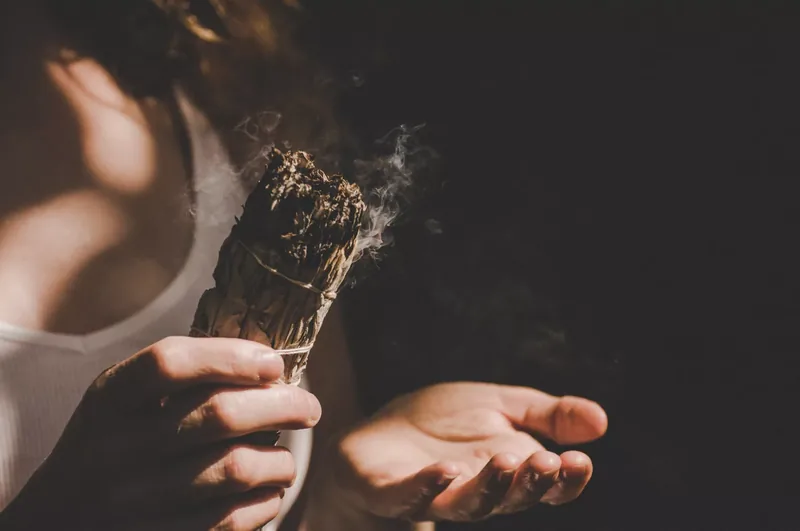
Picture this: You've just finished a demanding week, your home feels cluttered not just with objects, but with lingering stress from daily life. You crave a sense of renewal, a fresh start for your space and your mind. This desire for energetic cleansing is driving many to explore ancient practices, and one that consistently surfaces is the burning of sage.
Traditional practices suggest burning sage can help clear the air, both literally and metaphorically. It utilizes antimicrobial properties and promotes a calming atmosphere, contributing to physical and mental well-being by purifying spaces and minds.
So, how burning sage may offer physical and mental health benefits stems from its historical use in various cultures for purification and healing. While scientific research is still emerging, traditional practices suggest it can help clear the air, both literally and metaphorically, by utilizing its antimicrobial properties and promoting a calming atmosphere (NCCIH, 2023).
Let's delve into the rich history and potential modern applications of this aromatic herb.
The Enduring Legacy of Sage
Sage, botanically known as Salvia, is a remarkable evergreen perennial shrub with a storied past across diverse civilizations. From the ancient Egyptians and Romans to the Greeks and various Indigenous North American healing traditions, sage has been revered for its culinary, medicinal, and ornamental virtues. Dried sage, in particular, was traditionally burned not just for healing, but also to invite protection, enhance wisdom, and bolster defenses against illness (Hamidpour et al., 2014).
Several species contribute to sage's widespread recognition, including common sage (Salvia officinalis), white sage, Spanish sage, and Chinese sage. Each variety holds unique characteristics, but all share a common thread of being valued for their aromatic and therapeutic properties.
Purifying Your Space: The Ritual of Burning Sage
The practice of burning sage involves igniting dried sage leaves and allowing the resulting smoke to gently permeate a space. While some may view it purely as a spiritual ritual, there's growing interest in its potential practical benefits. For instance, poor indoor air quality is increasingly linked to various health concerns, making simple purification methods appealing. This is where how burning sage may assist comes into play: sage is believed to possess antimicrobial qualities that can help eliminate airborne bacteria, viruses, and fungi (Castillo et al., 2011).
Beyond its cleansing effects on air quality, proponents suggest that burning sage can significantly impact one's mental state. Many alternative medicine practitioners advocate for sage burning as a method to clear "negative energy" and foster a more positive environment. Imagine returning home after a particularly stressful day at work; the gentle smoke of burning sage could help shift the atmosphere, promoting a sense of calm and reducing lingering tension.
While more scientific validation is needed, anecdotal reports and preliminary studies suggest that burning sage can contribute to an improved mood and a reduction in feelings of stress and anxiety (Gutiérrez et al., 2014). This makes it a popular choice for creating a serene backdrop for meditation, journaling, or simply unwinding after a long day. It's also thought to repel certain insects, adding another practical benefit to its use.
However, it's crucial to acknowledge that any practice involving smoke can pose challenges. Individuals with asthma or other respiratory conditions should exercise caution, as inhaling smoke can exacerbate their symptoms.
Beyond the Smoke: Sage for Internal Wellness
While burning sage focuses on external purification, the herb itself offers a range of potential internal health benefits when consumed. Dried sage leaves are a common culinary spice, but sage can also be ingested as a liquid extract, spray, lozenge, capsule, or tablet (NCCIH, 2023). These internal applications leverage different compounds within the plant.
The phenolic compounds found in sage, particularly rosmarinic acid and carnosic acid, are potent antioxidants. These compounds help combat oxidative stress and neutralize harmful free radicals in the body, which are implicated in various chronic diseases and the aging process (Walch et al., 2011). This antioxidant activity is a key reason why sage is gaining attention in wellness circles.
Preliminary research also hints at sage's neuroprotective capabilities. Some studies suggest that active compounds in sage might offer protection against neurodegenerative conditions like Alzheimer's disease (Lopresti, 2017). A 2021 placebo-controlled trial, for instance, indicated that participants consuming a proprietary sage extract showed significant improvements in working memory and task accuracy over a 29-day period (Wightman et al., 2021).
Other purported internal benefits of sage include:
- Alleviating headache and sore throat discomfort.
- Reducing inflammation throughout the body.
- Offering protection against certain bacterial and viral infections.
- Supporting healthy digestion.
- Potentially improving mood and reducing symptoms of depression.
It's important to remember that much of this research is still preliminary, and many findings have yet to be replicated in large-scale human trials. Always consult with a healthcare provider before integrating sage supplements into your routine, especially if you have existing health conditions or are taking other medications.
Safe and Mindful Sage Practices
For external use, how burning sage may be incorporated safely is straightforward. The U.S. Food and Drug Administration has approved sage as a spice or seasoning, generally recognizing its safety for health purposes (NCCIH, 2023). However, internal consumption requires more caution due to varying concentrations of compounds like thujone in some sage species, which can affect the nervous system in large doses.
When burning sage, it is generally considered safe, even around children and pets, provided they do not have respiratory sensitivities. The key is moderation and good ventilation. To begin this practice, you'll need a sage bundle or stick, an incense tray or non-flammable bowl to catch ashes, and a clear intention.
Steps for Burning Sage:
- Prepare Your Space: Always open a window or door before lighting sage. This allows the smoke to circulate and exit, preventing a smoky buildup and facilitating the release of any energies you wish to clear.
- Light the Sage: Hold the sage bundle at a 45-degree angle and light the tip. Let it burn for a few seconds, then gently blow out the flame, allowing it to smolder and produce smoke. If it stops smoking, simply relight it.
- Set Your Intention: Before you begin, take a moment to focus on what you wish to achieve. Whether it's to purify your home after a period of illness, to invite creativity into your workspace, or simply to create a peaceful atmosphere, your intention enhances the ritual. For example, you might say, "I cleanse this space of negativity and invite peace, clarity, and positive energy."
- Distribute the Smoke: Slowly walk through each room you wish to cleanse, allowing the smoke to drift into corners and around objects. Avoid letting any area become excessively smoky. Never directly inhale the smoke.
- Extinguish Safely: Once finished, press the smoldering end of the sage into your non-flammable bowl or sand until it is completely extinguished. Never leave burning sage unattended.
Ethical Sourcing and Cultural Sensitivity:
It is paramount to address the topic of cultural appropriation when discussing practices like smudging with white sage or Palo Santo. These herbs hold deep spiritual significance for many Indigenous cultures, and their use by non-Indigenous individuals without proper understanding or respect can be seen as appropriative. If you choose to engage in these practices, seek out ethically sourced sage from Indigenous-owned businesses and educate yourself on the history and cultural context (Los Angeles Times, 2022). This awareness ensures respect for the traditions from which these practices originate.
Embracing Sage Mindfully
Whether you are drawn to the aromatic experience of burning sage for its potential air-purifying qualities and mood-enhancing effects, or you are exploring sage supplements for internal wellness, approaching this ancient herb with mindfulness is key. While science continues to uncover the full spectrum of sage's benefits, its long-standing use in traditional medicine speaks volumes about its perceived efficacy.
Integrating sage into your lifestyle can be a cost-effective way to cultivate a more serene and energetically clear environment. When combined with other wellness practices such as meditation, deep breathing, or mindfulness, how burning sage may contribute to a holistic sense of well-being becomes even more apparent. Always remember to prioritize safety, engage with cultural sensitivity, and consult with healthcare professionals for internal use, ensuring that your journey with sage is both beneficial and respectful.