Imagine this: you're deep into a critical project, deadlines looming, and suddenly a Windows update notification pops up, demanding a restart. We've all been there, right? That dreaded interruption can derail your focus and add a layer of stress you simply don't need. While Windows updates are crucial for security and performance, their timing has long been a source of frustration for users. Now, Microsoft is exploring a significant shift, testing a way to give users more control over when these updates are installed, potentially allowing you to delay them indefinitely.
A New Approach to Update Control
For years, Windows users have faced a monthly barrage of updates, with the stable channel receiving new versions regularly and the Insider program getting them weekly. Not all updates are created equal; some are vital security patches, while others might introduce bugs or unwanted features. Previously, your options for delaying an update were limited, often forcing an installation within a week, which could be disastrous during an important work session. However, a recent Insider build reveals Microsoft is testing a more flexible approach. This new feature, while not yet public, offers a way to pause updates for up to 35 days at a time, with the potential to manually extend this pause indefinitely. This means microsoft is testing way to truly give users agency over their update schedule.
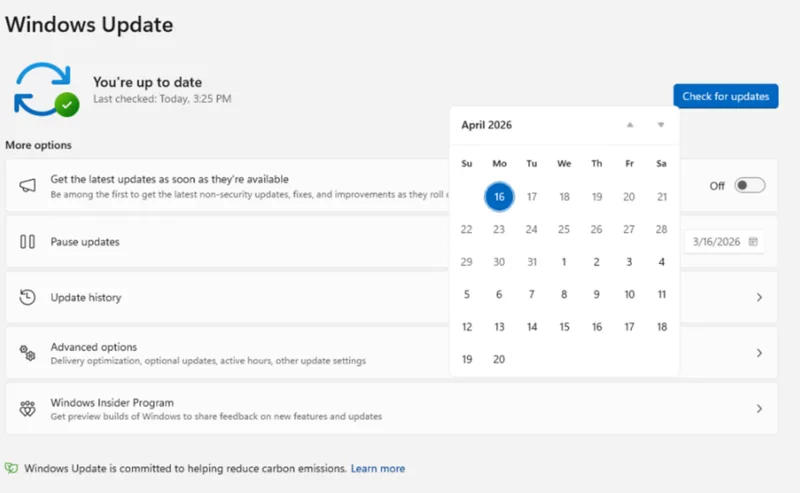
The process, as seen in the Insider preview, involves navigating to Settings > Windows Update > Pause Updates. Here, you'll find a date picker allowing you to select a future date for the update installation. This could be strategically chosen for after a major project deadline, ensuring your workflow remains uninterrupted. Think of it like setting a personal reminder, but for your operating system's maintenance. This is a significant departure, as microsoft is testing way that prioritizes user workflow over immediate update deployment.
To get your hands on this feature right now, you'll need to be part of the Windows Insider program. Microsoft hasn't rolled it out to the general public yet. This beta testing phase is crucial for refining the feature, and it suggests that microsoft is testing way to address user feedback more directly. For those not enrolled, the wait continues to see if this granular control becomes a standard Windows feature.
The Risks of an Endless Pause
While the allure of indefinitely delaying updates is strong, it's crucial to understand the potential downsides. This manual extension process means you'll need to actively manage the pause, and there's no option to selectively delay specific updates. When you choose to pause, all pending updates--including critical security patches and essential driver updates--are put on hold. This means you miss out on vital protections and performance enhancements.
Consider the scenario where a zero-day exploit is discovered. A critical security update is released to patch this vulnerability. If you've paused updates indefinitely, your system remains exposed. Similarly, driver updates can resolve compatibility issues or improve the performance of your hardware. For example, a gamer might be waiting for a GPU driver update that optimizes a newly released title. Delaying this indefinitely could mean a suboptimal gaming experience, but more critically, delaying security patches can leave your system vulnerable to malware and data breaches (Kaspersky Lab, 2023). The convenience of avoiding an immediate restart must be weighed against the long-term security implications.
This new option allows users to precisely choose *when* to install updates, perhaps waiting a week or two for initial reports on stability. However, the ability to delay indefinitely, while technically offered by this new method, is not advisable from a security perspective. It's a delicate balance between user control and system integrity (Microsoft Security Blog, 2024).
Other Update Enhancements in Windows 11
Beyond the pause feature, Microsoft is implementing other changes to improve the update experience. During the initial setup of a new Windows PC, you'll soon see an "Update Later" button, allowing you to reach your desktop faster and configure updates at a more convenient time. This acknowledges that the initial setup process can be lengthy and that users prefer to manage updates post-setup.
To combat update fatigue, Microsoft is also working to consolidate various update types--security, driver, and feature updates--into a single monthly rollout. This aims to streamline the process, presenting users with a more predictable update cycle. You'll also gain access to a more detailed view of all available updates within the Windows Update section. Furthermore, the frustrating "Update and restart" cycle is being addressed. Soon, shutdown and restart options will be available at all times, even when updates are pending. This means you won't be forced into an immediate restart simply because an update is waiting, offering more flexibility in managing your system's downtime.
These changes signal a broader effort by Microsoft to refine how Windows updates are delivered and managed. By introducing more user-centric controls and consolidating update schedules, microsoft is testing way to make the often-tedious process of system maintenance less disruptive and more manageable for everyone.