In an age where personal data is king, our smartwatches promise to be the ultimate arbiters of our well-being. From Garmin's real-time stress levels to Oura's resilience metrics and Fitbit's stress management scores, these devices offer a seemingly objective window into our internal emotional state. They quantify our day, presenting a number that purports to tell us how 'stressed' we truly are. However, the stark reality is that these numbers often tell a very different story from our lived experience. Your smartwatch actually has no direct access to your subjective feelings, and its 'stress score' is more a measure of physiological arousal than psychological distress.
The Disconnect: Physiological vs. Psychological Stress
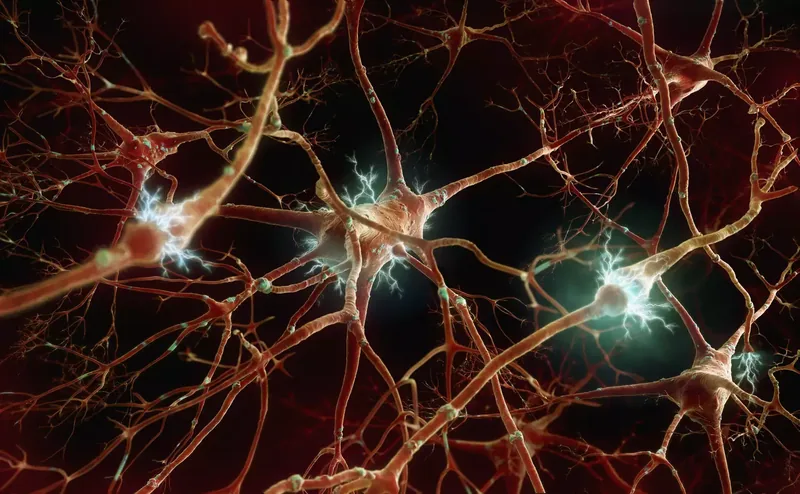
When your wrist-worn device flashes a high 'stress' alert, it's natural to assume it has detected your anxiety about a looming deadline, a difficult conversation, or even frustrating traffic. Yet, this assumption misses a crucial distinction. While your watch might register physiological arousal--changes in heart rate variability (HRV), skin conductance, or movement patterns--these signals don't directly equate to the psychological stress you typically feel. They are indicators of your autonomic nervous system's activity, which can be triggered by a wide array of experiences.
Experts emphasize that the way most people understand 'stressed'--as in, 'I was really stressed today!'--differs significantly from the physiological metrics smartwatches track. Elevated physiological activity can stem from numerous sources that we wouldn't typically label as stressful. For instance, a vigorous workout, the excitement of starting a new project, or even watching a thrilling movie can all spike your heart rate and alter HRV, prompting your device to flag 'high stress' (University of California, 2023).
This fundamental definitional gap means that while your smartwatch actually has a sophisticated array of sensors, it's interpreting data through a narrow lens. It's not detecting your emotional state directly, but rather your body's general state of alertness or activation. This distinction is vital for a more informed understanding of what your wearable is truly communicating.
Beyond the Numbers: Why Accuracy Falls Short
Even if we set aside the definitional problem, there are significant limitations to the accuracy and interpretation of smartwatch stress scores. One major issue is the lack of consideration for individual physiological differences. Furthermore, your smartwatch actually has a significant blind spot when it comes to sex-specific physiology, particularly the menstrual cycle.
Hormonal fluctuations throughout the menstrual cycle can meaningfully alter baseline heart rate, heart rate variability, and body temperature. What is a perfectly healthy and normal physiological shift for a woman can be misinterpreted by a wearable as a 'high stress' event (Women's Health Institute, 2024). This can lead to confusing--and potentially anxiety-inducing--alerts about standard human biology, rather than offering genuine insights into distress.
Imagine receiving a 'high stress' notification when you're simply anticipating a long-awaited holiday or feeling energized after a good night's sleep. These common scenarios highlight how the oversimplified algorithms in many smartwatches fail to account for the rich complexity of human physiology and emotion. The result is often data that is not only inaccurate but can actively mislead users about their actual state of well-being.
The Measurement Gap: Medical Grade vs. Consumer Tech
Another critical factor impacting the reliability of smartwatch stress scores is the fundamental difference between consumer-grade wearables and medical-grade devices. Cardiologists, for instance, prescribe highly accurate chest-worn devices to monitor heart rate and heart rate variability when precise medical insights are needed (American Heart Association, 2023). They do not typically recommend smartwatches for this purpose.
The reason is simple: wrist-worn measurements, while convenient, are inherently less reliable than chest-worn sensors. Heart rate variability, which forms the cornerstone of most smartwatch stress algorithms, requires exceptionally precise measurements to yield meaningful data. While your smartwatch actually has the capability to track these metrics, the 'noise' in the data collected from the wrist can make it scientifically dubious to build definitive claims about internal emotional states.
This isn't to say that the data from your wearable is entirely worthless. It can still provide trends and general indicators of physiological arousal. However, the leap from raw, noisy data to a definitive 'stress score' that claims to reflect your psychological state is a significant overreach. Consumers need to be aware of this measurement gap to interpret their device's feedback with a healthy dose of skepticism.
Reclaiming Control: A More Informed Approach
The core message here isn't that wearables are useless, but that their value is often misrepresented. Your smartwatch actually has the potential to be a valuable tool for understanding your body's responses, but only if we approach its data with critical awareness. The way we think about 'stress' is multifaceted and doesn't translate into a single biological state, let alone one that can be captured by a simple number or 'score.'
Understanding that your smartwatch actually has limitations empowers you to be a more informed consumer. Instead of blindly trusting a 'stress score,' consider it a signal of physiological arousal--a prompt to reflect on what might be influencing your nervous system. This could be anything from genuine psychological stress to excitement, physical exertion, caffeine intake, or even normal hormonal fluctuations.
It would be beneficial if companies adopted more accurate terminology, such as 'physiological arousal score' or 'autonomic nervous system activity,' rather than the highly marketable but misleading 'stress score.' The irony is profound: a device marketed to help you manage stress can inadvertently create more anxiety by generating alerts about normal physiological variations it misinterprets as distress. The sooner we acknowledge this gap between marketing and scientific reality, the sooner these devices can truly serve us, rather than selling us a quantified illusion of self-knowledge they don't possess.