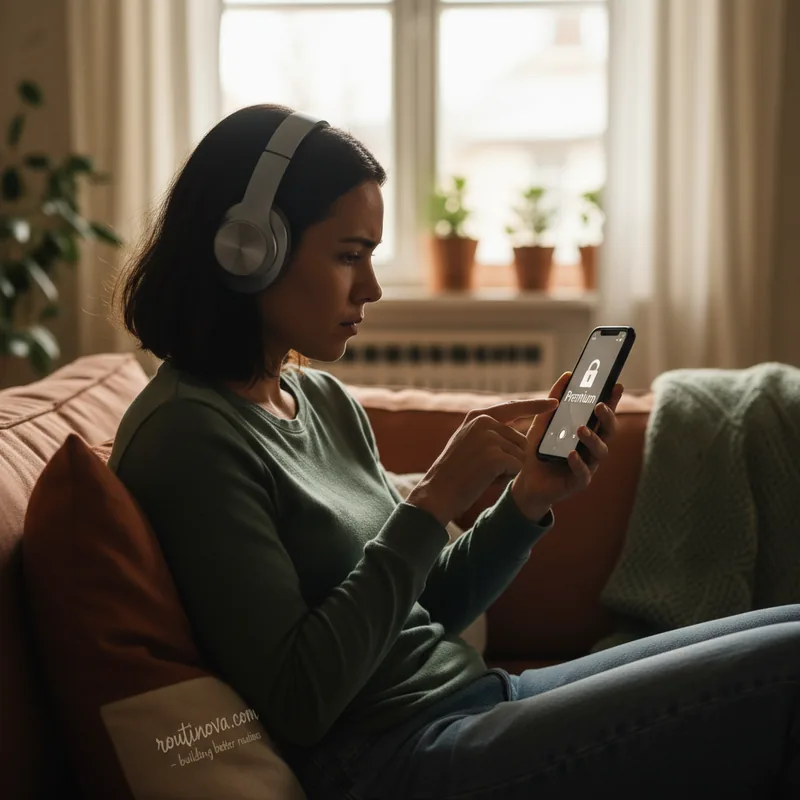
In an era where information flows freely, the expectation of seamless digital access often clashes with the reality of premium services. For years, many YouTube users enjoyed a seemingly basic feature--background audio playback--without a subscription. Now, Google has definitively moved to restrict this, confirming that YouTube just blocked this popular workaround for free background play, pushing users towards its Premium tier (TechCrunch, 2024). This move impacts millions who relied on third-party browsers and extensions to keep music or podcasts playing while their phone was locked or they used other apps.
The Rise and Fall of Free Background Play
The method for achieving free background play was surprisingly straightforward. Many users simply accessed YouTube through non-Chrome browsers or specialized apps. Browsers like Samsung Internet and Brave previously offered this functionality natively, with some even providing official guidance on its use. Other users relied on browser extensions like 'Video Lite' or 'Enhancer for YouTube' (Digital Trends, 2023) to enable the feature. However, late last month, reports surged across platforms, from Reddit forums to tech news sites, indicating widespread failure of these hacks. Google has now confirmed it intentionally broke this functionality, stating that background playback is a feature exclusive to YouTube Premium members.
Google's Stance and The Premium Push
This crackdown signals a broader strategy by Google to enforce its Premium subscription model. A spokesperson clarified, "While some non-Premium users may have previously been able to access this through mobile web browsers in certain scenarios, we have updated the experience to ensure consistency across all our platforms." This means that the convenience of listening to a lecture or a playlist while multitasking is now firmly behind a paywall. The company's stance indicates a clear intent to monetize features that many users felt should be part of the free experience. It's a significant shift, as YouTube just blocked this workaround, extending its enforcement beyond ad-blockers to core user experience features.
While Google's efforts are impactful, the landscape isn't entirely barren. Some users report that specific niche browsers, such as 'Dolphin Browser' on Android, might still offer intermittent background play, though this is unconfirmed and likely temporary. Similarly, certain region-specific video aggregators, or even older versions of some browsers, might still function for a limited time (Gizmodo, 2024). However, for the majority, the era of easy, free background play appears to be ending. This latest action confirms that YouTube just blocked this widely used hack, compelling users to either subscribe or adapt. Developers and tech-savvy users will undoubtedly continue to seek new workarounds, but the cat-and-mouse game with Google is intensifying.
The tightening grip on features like background play underscores Google's commitment to its Premium offering. While the convenience of ad-free viewing, offline downloads, and background playback is undeniable with a subscription, the removal of previously accessible free alternatives highlights a growing divide. For those wondering why YouTube just blocked this long-standing hack, the answer is clear: consistent monetization across all platforms. Users are now left to weigh the cost of convenience against the effort of finding new, potentially fleeting, solutions.