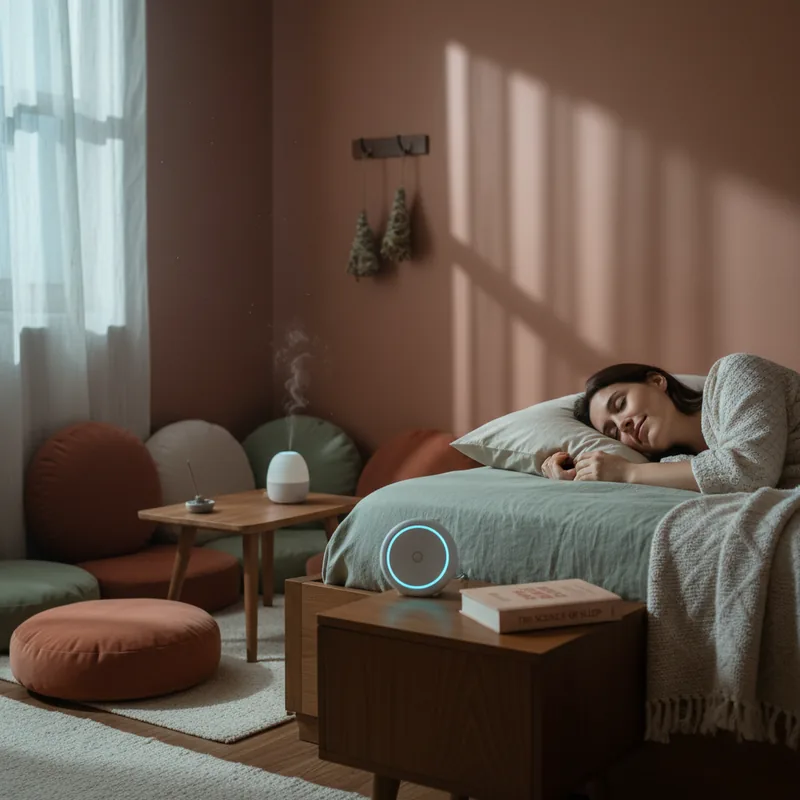
Have you ever woken up to someone telling you about the strange things you said while sleeping? Or perhaps you've been the one listening to a partner's midnight monologues? Sleep talking, medically known as somniloquy, is one of the most common yet misunderstood sleep phenomena affecting both children and adults.
What Is Sleep Talking?
Sleep talking represents a fascinating intersection of consciousness and unconsciousness. During these episodes, the vocal cords activate while the brain remains in various sleep stages, creating speech without conscious awareness. While approximately 5% of adults experience regular episodes, the prevalence is significantly higher in children, with many outgrowing the behavior by adolescence.
The scientific understanding of sleep talking has evolved considerably. Recent research suggests it occurs most frequently during transitions between sleep stages, particularly when moving from deep sleep to lighter stages. This explains why episodes often happen in the first few hours after falling asleep or just before waking.
Recognizing the Symptoms
Understanding sleep talking requires recognizing its diverse manifestations. The symptoms can range from barely audible murmurs to full, coherent conversations. Some people simply mumble single words, while others engage in complex dialogues that might include answering questions or even singing.
What makes sleep talking particularly intriguing is its unpredictability. One night might bring complete silence, while another could feature multiple episodes. The content varies just as dramatically--from mundane daily observations to fantastical narratives that bear no resemblance to waking thoughts.
Consider these real-world examples not previously mentioned:
- A corporate executive who unknowingly rehearses presentations in her sleep, complete with PowerPoint slide references
- A bilingual individual who switches between languages mid-sentence while sleeping
- Historical accounts of famous figures like Abraham Lincoln reportedly discussing political strategies in his sleep
Most sleep talkers have no memory of their nocturnal conversations, creating what researchers call "sleep amnesia." This complete lack of recollection distinguishes sleep talking from other sleep disorders where partial awareness might remain.
Understanding the Causes
Multiple factors contribute to sleep talking episodes. Genetics play a significant role, with studies showing familial patterns in approximately 60% of cases. If your parents or siblings talk in their sleep, you're more likely to experience it yourself.
Environmental and lifestyle factors significantly influence frequency and intensity. Sleep deprivation stands out as a major trigger--when the body doesn't get sufficient rest, sleep becomes fragmented, increasing the likelihood of vocalizations during lighter sleep stages. Stress acts similarly, disrupting normal sleep architecture and making episodes more probable.
Medical considerations include:
- Certain medications, particularly sedatives and some antidepressants
- Fever or illness that disrupts normal sleep patterns
- Sleep disorders like sleep apnea or restless leg syndrome
- Neurological conditions in rare cases
Interestingly, sleep talking doesn't correlate with specific personality traits or intelligence levels. It's a physiological phenomenon that can affect anyone, regardless of their waking personality or cognitive abilities.
Types and Variations
Sleep talking manifests in several distinct forms, each with unique characteristics. Simple somniloquy involves brief utterances--single words, grunts, or sighs that last mere seconds. This most common form typically occurs during deep sleep stages.
Complex somniloquy presents more elaborate speech patterns. Episodes might include full sentences, coherent responses to imagined questions, or even laughter. These longer episodes often occur during REM sleep or sleep stage transitions.
The rarest form, logorrhea, involves rapid, continuous speech that can last several minutes. This variation sometimes associates with underlying neurological conditions and requires medical evaluation when it appears suddenly in adulthood.
Effective Treatment Approaches
For most people, sleep talking requires no treatment. However, when episodes become frequent or disruptive, several approaches can help. Improving sleep hygiene represents the first line of defense--establishing consistent sleep schedules, creating optimal sleep environments, and ensuring adequate sleep duration.
Stress management techniques prove particularly effective. Mindfulness meditation, progressive muscle relaxation, and cognitive behavioral strategies can reduce both the frequency and intensity of episodes. Research shows that individuals who practice regular stress reduction experience fewer sleep talking incidents.
When underlying conditions contribute to sleep talking, targeted treatments include:
- CPAP therapy for sleep apnea-related cases
- Medication adjustments when pharmaceuticals trigger episodes
- Behavioral therapy for stress-induced sleep talking
- Sleep studies to identify contributing factors
Simple environmental adjustments often provide immediate relief. White noise machines can mask sleep talking sounds for bed partners, while separate sleeping arrangements might be necessary in severe cases. Mouth guards sometimes help by physically limiting vocal cord movement during sleep.
Living With Sleep Talking
For those who sleep with talkers, understanding and adaptation make coexistence manageable. Establishing clear communication about sleep needs helps both parties. Many couples find that discussing the phenomenon openly reduces frustration and creates practical solutions.
Practical accommodations include using earplugs, maintaining separate blankets to reduce sleep disruption, and creating bedtime routines that minimize stress for both individuals. Remember that sleep talking isn't intentional--the person has no control over their nocturnal speech.
If sleep talking begins suddenly in adulthood or increases dramatically in frequency, medical consultation is advisable. These changes might indicate underlying health issues requiring attention. Otherwise, most sleep talking remains a harmless, if sometimes amusing, aspect of human sleep behavior.
When to Seek Help
While most sleep talking is benign, certain signs warrant professional evaluation. Sudden onset in middle age, violent speech or actions during sleep, or episodes accompanied by other symptoms like sleepwalking should prompt medical consultation.
Diagnostic approaches typically begin with detailed sleep histories and sometimes progress to sleep studies. These evaluations help distinguish simple sleep talking from more complex sleep disorders that might require treatment. Modern sleep medicine offers numerous effective interventions for problematic cases.
Remember that sleep talking, in its most common forms, represents a normal variation of human sleep. With proper understanding and occasional simple adjustments, most people and their partners can sleep peacefully through the occasional midnight conversation.