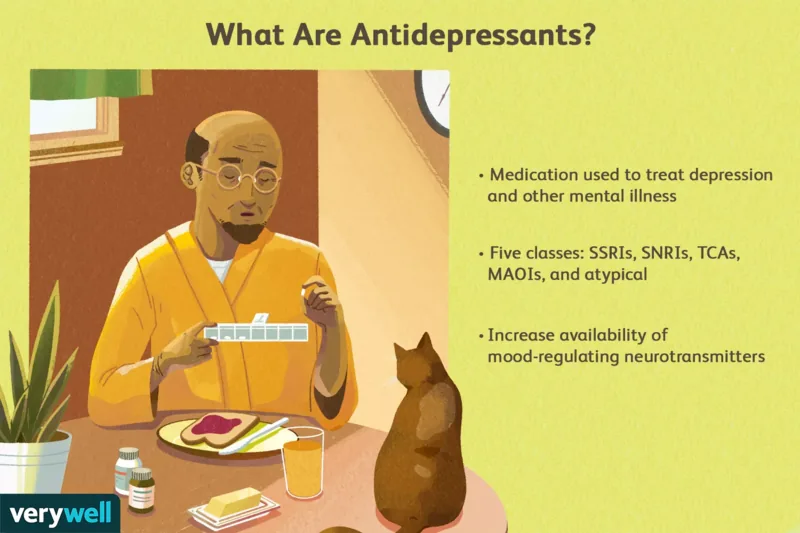
Antidepressants are vital medications used to manage mental health conditions, primarily depression, by influencing brain chemistry. As of 2025, five major types of antidepressants are widely recognized and prescribed: Selective Serotonin Reuptake Inhibitors (SSRIs), Serotonin and Norepinephrine Reuptake Inhibitors (SNRIs), Tricyclic Antidepressants (TCAs), Monoamine Oxidase Inhibitors (MAOIs), and Atypical Antidepressants. These different kinds of antidepressants work in distinct ways to balance neurotransmitters in the brain, offering relief from symptoms for many individuals. The selection of the most suitable antidepressant category depends on a patient’s specific symptoms, medical history, and co-existing conditions, highlighting the personalized approach to treatment.
How Antidepressants Influence Brain Chemistry
Antidepressants primarily function by modulating the levels and activity of specific chemical messengers in the brain, known as neurotransmitters. These crucial molecules play a central role in regulating mood, emotions, and various cognitive functions. Three key monoamine neurotransmitters are particularly implicated in mood regulation and are targeted by the various major types of antidepressants. These include dopamine, norepinephrine, and serotonin.
Dopamine is intrinsically linked to the brain’s reward system, influencing motivation, pleasure, and decision-making processes. Imbalances in dopamine levels can contribute to symptoms of anhedonia, a core feature of depression characterized by a loss of interest or pleasure in activities. Norepinephrine (also known as noradrenaline) is essential for alertness, focus, and energy levels, and also plays a role in the body’s stress response. Deficiencies can manifest as fatigue, difficulty concentrating, and a general lack of drive. Serotonin is widely recognized for its profound impact on mood, sleep, appetite, memory, and social behavior. Low serotonin levels are frequently associated with feelings of sadness, anxiety, and obsessive thoughts. In individuals experiencing depression, the availability of one or more of these neurotransmitters in the synaptic cleft (the space between nerve cells) is often diminished. Antidepressants work by employing different strategies to increase the functional availability of these neurotransmitters, thereby helping to correct the chemical imbalances believed to contribute to depressive symptoms and other mental health conditions (Harvard, 2024). This intricate interplay forms the foundation for how these powerful medications exert their therapeutic effects.
Categorizing Antidepressant Medications
Antidepressants are categorized into distinct classes based on their primary mechanism of action and the specific neurotransmitters they target. This classification helps healthcare providers understand their potential benefits, side effect profiles, and interactions. While drugs within the same class generally share similar properties, subtle differences in their molecular structures can influence how an individual metabolizes or tolerates a particular medication. The goal of these medications is to restore a more balanced neurochemical environment in the brain, alleviating symptoms of depression and anxiety.
Of the various major types of antidepressants, Selective Serotonin Reuptake Inhibitors (SSRIs) are the most frequently prescribed, particularly as an initial treatment option. Their favorable side effect profile and proven efficacy make them a preferred starting point for many patients (Harvard, 2024). However, when SSRIs prove ineffective or intolerable, or in cases of more severe or treatment-resistant depression, other antidepressant categories may be considered. These might include Serotonin and Norepinephrine Reuptake Inhibitors (SNRIs), Tricyclic Antidepressants (TCAs), Monoamine Oxidase Inhibitors (MAOIs), or the more diverse group of Atypical Antidepressants. Each class offers a unique approach to influencing brain chemistry, providing a range of options for personalized mental health care. The careful selection of an antidepressant involves a thorough assessment of a patient’s overall health, symptom presentation, and previous responses to medication.
Selective Serotonin Reuptake Inhibitors (SSRIs)
Selective Serotonin Reuptake Inhibitors, or SSRIs, represent one of the most commonly prescribed and well-known major types of antidepressants. Introduced in the 1970s, they revolutionized depression treatment due to their improved tolerability compared to older medications. SSRIs work by specifically blocking the reabsorption (reuptake) of serotonin into presynaptic neurons. By inhibiting this reuptake process, more serotonin remains available in the synaptic cleft, enhancing its ability to bind to receptors on postsynaptic neurons and transmit signals. This increased serotonin availability is thought to improve mood, reduce anxiety, and alleviate other depressive symptoms.
Examples of commonly prescribed SSRIs include:
- Celexa (citalopram)
- Lexapro (escitalopram)
- Luvox (fluvoxamine)
- Paxil (paroxetine)
- Prozac (fluoxetine)
- Zoloft (sertraline)
- Viibryd (vilazodone) – a newer agent with a dual mechanism, also acting as a 5-HT1A receptor partial agonist.
While generally well-tolerated, potential SSRI side effects can include gastrointestinal issues such as nausea, diarrhea, or constipation, dry mouth, and changes in sexual function (e.g., decreased libido, delayed orgasm). Some individuals may also experience headaches, insomnia, or drowsiness. Importantly, SSRIs are not only used for major depressive disorder but also effectively treat a range of other conditions. These include various anxiety disorders (such as generalized anxiety disorder, panic disorder, social anxiety disorder), obsessive-compulsive disorder (OCD), post-traumatic stress disorder (PTSD), bulimia nervosa, and premenstrual dysphoric disorder (PMDD). Their broad spectrum of action makes them a versatile choice in modern psychopharmacology (Harvard, 2024).
Serotonin and Norepinephrine Reuptake Inhibitors (SNRIs)
Serotonin and Norepinephrine Reuptake Inhibitors, or SNRIs, constitute another significant class among the major types of antidepressants, offering a dual-action mechanism. Approved by the FDA starting in the early 1990s, SNRIs work by inhibiting the reuptake of both serotonin and norepinephrine in the brain. This results in increased levels of both neurotransmitters in the synaptic space, providing a broader impact on mood, energy, and cognitive function compared to SSRIs that primarily target serotonin. The combined increase in norepinephrine can be particularly beneficial for individuals experiencing significant fatigue, lack of motivation, or psychomotor retardation, which is a noticeable slowing of movement and thought processes often seen in depression.
Common examples of SNRIs include:
- Cymbalta (duloxetine)
- Effexor (venlafaxine)
- Pristiq (desvenlafaxine)
- Fetzima (levomilnacipran)
- Savella (milnacipran) – primarily used for fibromyalgia, highlighting its pain-modulating effects.
SNRI side effects are often similar to those of SSRIs but can also include increased blood pressure and heart rate due as norepinephrine influences the cardiovascular system. Other common side effects may involve nausea, drowsiness, fatigue, constipation, dry mouth, and dizziness. Beyond depression, SNRIs are highly effective in treating several other conditions. Cymbalta, for instance, is widely used for chronic neuropathic pain, fibromyalgia, and chronic musculoskeletal pain, demonstrating the strong link between pain perception and neurotransmitter systems. They are also prescribed for generalized anxiety disorder, social anxiety disorder, and panic disorder, offering comprehensive relief for co-occurring anxiety symptoms (Harvard, 2024).
Tricyclic Antidepressants (TCAs)
Tricyclic Antidepressants (TCAs) represent an older generation of antidepressant medications, first developed in the 1950s. Despite the advent of newer drugs, TCAs remain an important option, particularly for severe or treatment-resistant depression, and for certain pain conditions. Their name derives from their unique chemical structure, characterized by three interconnected rings of atoms. TCAs exert their antidepressant effects by blocking the reuptake of both serotonin and norepinephrine, similar to SNRIs. However, they are less selective and also affect other neurotransmitter systems, including blocking acetylcholine receptors and histamine receptors. This broader pharmacological action contributes to their efficacy but also to a more pronounced side effect profile compared to SSRIs and SNRIs.
Examples of TCAs include:
- Elavil (amitriptyline)
- Norpramin (desipramine)
- Pamelor (nortriptyline)
- Tofranil (imipramine)
- Anafranil (clomipramine) – often specifically used for OCD due to its potent serotonin reuptake inhibition.
- Sinequan (doxepin)
- Surmontil (trimipramine)
- Vivactil (protriptyline)
TCA side effects are generally more extensive and potentially more severe than those of newer antidepressants. Common anticholinergic side effects include dry mouth, blurred vision, constipation, and urinary retention. Other side effects can include drowsiness, dizziness, orthostatic hypotension (a drop in blood pressure upon standing), and weight gain. In some cases, more serious cardiac side effects, such as irregular heart rhythm, can occur, necessitating careful monitoring, especially in older adults or those with pre-existing heart conditions. Beyond depression, TCAs have proven highly effective in treating various types of chronic pain, including neuropathic pain and migraine prophylaxis (Harvard, 2024). They were also historically used for attention deficit hyperactivity disorder (ADHD) in children, though they have largely been superseded by agents with fewer side effects.
Monoamine Oxidase Inhibitors (MAOIs)
Monoamine Oxidase Inhibitors (MAOIs) are among the earliest major types of antidepressants, discovered in the 1950s. While highly effective, their use has become less common due to significant dietary restrictions and potential for serious drug interactions. MAOIs work by inhibiting the action of monoamine oxidase, an enzyme responsible for breaking down monoamine neurotransmitters like serotonin, norepinephrine, and dopamine in the brain. By preventing this breakdown, MAOIs lead to an accumulation of these neurotransmitters, increasing their availability for mood regulation. This broad increase in monoamines contributes to their potent antidepressant effects.
Examples of MAOIs include:
- Marplan (isocarboxazid)
- Nardil (phenelzine)
- Parnate (tranylcypromine)
- Emsam (selegiline) – available as a transdermal patch, which can reduce some dietary restrictions at lower doses.
The most notable MAOI side effect is the potential for a hypertensive crisis when consumed with foods rich in tyramine. Tyramine, found in aged cheeses, cured meats, fermented products, and some alcoholic beverages, is normally broken down by monoamine oxidase in the gut. When this enzyme is inhibited by MAOIs, tyramine can accumulate, leading to dangerously high blood pressure. Consequently, individuals on MAOIs must adhere to strict dietary restrictions. Other common side effects include nausea, dizziness, drowsiness, dry mouth, and insomnia. Despite these challenges, MAOIs remain a valuable treatment option, particularly for atypical depression, panic disorder, social phobia, and treatment-resistant depression (Harvard, 2024). Their use is generally reserved for when other antidepressant options have not yielded sufficient improvement, often requiring close medical supervision.
Atypical Antidepressants: Diverse Mechanisms
Atypical antidepressants comprise a heterogeneous group of medications that do not fit neatly into the other defined classes of major types of antidepressants. These drugs possess unique mechanisms of action, often targeting a combination of neurotransmitters in novel ways, or interacting with specific receptors to achieve their therapeutic effects. This diversity allows for more tailored treatment approaches, especially for individuals who have not responded to traditional SSRIs or SNRIs, or who experience specific side effects with other classes. Their varied pharmacological profiles contribute to their utility in a range of mental health conditions.
Examples of atypical antidepressants include:
- Wellbutrin (bupropion): Classified as a norepinephrine-dopamine reuptake inhibitor (NDRI), bupropion increases levels of norepinephrine and dopamine. It is often favored for its lack of sexual side effects and is also used to treat seasonal affective disorder (SAD) and as an aid for smoking cessation.
- Remeron (mirtazapine): A noradrenergic and specific serotonergic antidepressant (NaSSA), mirtazapine primarily works by blocking specific adrenergic and serotonin receptors, leading to increased norepinephrine and serotonin release. It is known for its sedative properties and can be particularly useful for patients experiencing insomnia or significant weight loss due to depression.
- Oleptro (trazodone) and Brintellix (vortioxetine): These are serotonin antagonist and reuptake inhibitors (SARIs). Trazodone is often prescribed off-label at lower doses for insomnia due to its sedative effects, while vortioxetine has a multimodal action, inhibiting serotonin reuptake and directly modulating several serotonin receptors, potentially offering benefits for cognitive symptoms of depression.
- Symbyax: This is a combination medication containing the SSRI fluoxetine and the antipsychotic olanzapine. It is specifically approved for treating bipolar depression and treatment-resistant depression, leveraging the synergistic effects of an antidepressant and an antipsychotic.
Atypical antidepressant side effects vary significantly depending on the specific drug. For instance, bupropion may cause insomnia, agitation, and a dose-dependent increased risk of seizures, but generally avoids weight gain and sexual dysfunction. Mirtazapine commonly causes drowsiness and weight gain. Trazodone’s main side effects are sedation and dizziness, while vortioxetine can cause nausea, constipation, and sexual dysfunction. The diverse mechanisms mean that patient response and side effect profiles are highly individualized, making careful selection crucial (Harvard, 2024).
Understanding Antidepressant Effectiveness and Selection
Antidepressants have consistently demonstrated effectiveness in treating depression, though individual responses can vary significantly. Research indicates that all major types of antidepressants, when compared to a placebo, are generally more effective in alleviating depressive symptoms (Harvard, 2024). However, the magnitude of this effect can be modest for some individuals, emphasizing the importance of personalized treatment plans. The goal is to find a medication that not only reduces symptoms but also minimizes side effects, thereby improving overall quality of life and adherence to treatment.
When selecting the right antidepressant, several factors guide healthcare providers:
- Tolerability and Side Effects: Since many different kinds of antidepressants can be equally effective, the primary consideration often shifts to the medication’s side effect profile. Side effects like nausea, weight gain, or sexual dysfunction can significantly impact a person’s quality of life and lead to premature discontinuation of treatment.
- Patient History: Previous responses to antidepressants, family history of antidepressant response, and co-existing medical conditions (e.g., heart disease, glaucoma) all play a crucial role.
- Symptom Profile: Specific symptoms, such as significant anxiety, insomnia, chronic pain, or lack of energy, might suggest one class of antidepressant over another (e.g., SNRIs for pain, mirtazapine for insomnia).
- Drug Interactions: Potential interactions with other medications the patient is taking must be carefully evaluated to prevent adverse reactions like serotonin syndrome.
Generally, SSRIs are often the first-line treatment due to their favorable balance of efficacy and tolerability. SNRIs and bupropion are also frequently used early in treatment due to their good efficacy and often manageable side effects. It is important to remember that all types of antidepressants require time to exert their full therapeutic effects, typically taking a few weeks, with maximum benefits often observed after six to eight weeks of consistent use.
Antidepressant treatment is most effective when integrated into a comprehensive approach that includes psychotherapy, lifestyle modifications (such as regular exercise, a balanced diet, adequate sleep, and social support), and the management of any co-existing psychological or physical disorders. For those exploring alternatives, some natural options like St. John’s wort (though with significant drug interaction risks) or certain alternative therapies may be considered, but always under the guidance of a healthcare provider. Lifestyle adjustments, including spending time in nature, engaging in hobbies, and maintaining social connections, also contribute significantly to overall well-being and can augment the effects of medication and therapy.
Antidepressant Risks and Considerations
While antidepressants are invaluable tools for managing mental health, it’s crucial to be aware of potential risks and considerations. One significant concern is serotonin syndrome, a potentially dangerous condition resulting from the toxic accumulation of serotonin. This can occur when two or more drugs that increase serotonin levels are taken concurrently, leading to symptoms ranging from agitation and confusion to rapid heart rate, muscle rigidity, and seizures. Therefore, it is paramount to inform your physician about all medications, supplements, and herbal remedies you are taking.
Antidepressants should always be used strictly as prescribed. Never abruptly stop, interrupt, decrease, or increase your dose without consulting a medical professional. Discontinuing antidepressants suddenly can lead to withdrawal symptoms, often referred to as antidepressant discontinuation syndrome. These symptoms can be highly disruptive, including nausea, vomiting, dizziness, headaches, tremors, nightmares, and “brain zaps” (electrical shock sensations). A gradual tapering of the dose, supervised by a doctor, is essential to minimize these effects.