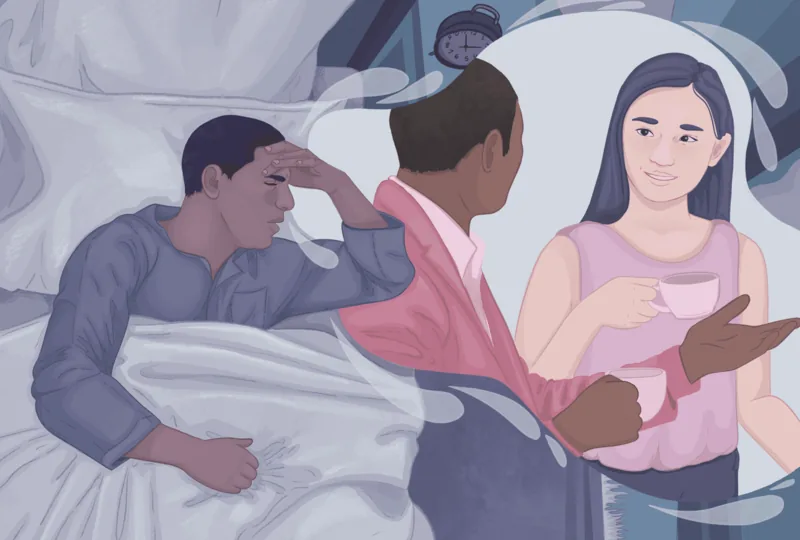
When Michael first experienced what his doctor called "manic depression" in the 1970s, the diagnosis carried a weight that felt both confusing and stigmatizing. Today, his granddaughter receives support for "bipolar disorder"--the same condition, but understood through a more compassionate, nuanced lens that reflects decades of medical progress and reduced stigma.
The Evolution of Terminology
The journey from "manic depression" to "bipolar disorder" represents more than just a name change--it marks a significant shift in how we understand and approach this complex mood condition. In 1980, the medical community officially adopted the term bipolar disorder to provide clearer diagnostic criteria and reduce the stigma associated with the older terminology.
This change allowed for better recognition of different presentations, including hypomania (a milder form of mania) and various mood patterns that weren't adequately captured by the original manic depression framework. Understanding manic depression in its modern context means recognizing it as part of a spectrum of bipolar disorders, each with distinct characteristics and treatment approaches.
Understanding Bipolar Disorder Types
Bipolar disorder encompasses several distinct conditions, each characterized by mood cycles between elevated and depressive states. The primary types include Bipolar I, Bipolar II, and Cyclothymia, with each presenting unique challenges and patterns.
Bipolar I Disorder
This diagnosis applies when individuals experience at least one full manic episode lasting a week or more, often accompanied by major depressive episodes. During manic phases, people might display decreased need for sleep, engage in risky behaviors, or experience racing thoughts that significantly impact daily functioning. Research indicates these episodes can profoundly affect work performance and personal relationships (Harvard, 2024).
Bipolar II Disorder
Characterized by hypomanic episodes (less severe than full mania) alternating with major depressive episodes, Bipolar II often goes undiagnosed for years. The hypomanic periods might initially feel productive or creative, making recognition challenging without professional assessment. Many people with this type initially receive depression diagnoses before the full pattern emerges.
Cyclothymic Disorder
This milder form involves chronic mood fluctuations between hypomania and mild depression lasting at least two years. While less severe than other types, it can still significantly impact quality of life and requires proper management strategies.
Recognizing Symptoms and Patterns
Understanding manic depression requires recognizing both poles of the condition. The manic phase typically involves increased energy, reduced need for sleep, and sometimes risky decision-making. In contrast, depressive episodes bring profound sadness, fatigue, and loss of interest in previously enjoyed activities.
Consider Sarah, a marketing executive whose undiagnosed bipolar II disorder manifested as periods of intense creativity and productivity followed by weeks of struggling to get out of bed. Her colleagues noticed the pattern but attributed it to "work stress" rather than recognizing the cyclical nature of her symptoms.
Another example comes from creative fields, where some artists with bipolar disorder report their most productive periods aligning with hypomanic episodes, followed by creative droughts during depressive phases. This pattern illustrates how the condition can influence professional life in complex ways.
Causes and Risk Factors
The exact causes of bipolar disorder remain complex and multifaceted, with research pointing to several contributing factors. Genetics play a significant role, with studies showing that having a first-degree relative with the condition increases risk substantially (Mayo Clinic, 2023).
Brain chemistry and structure differences also contribute, particularly involving neurotransmitters like serotonin and dopamine. Environmental factors, including significant stress, trauma, or major life changes, can trigger initial episodes or exacerbate existing conditions. Sleep disruption represents another important factor, as irregular sleep patterns can both trigger and result from mood episodes.
Modern research continues to explore how these elements interact, with recent studies examining the role of circadian rhythms and seasonal changes in mood cycling patterns.
Diagnosis and Differentiation
Accurate diagnosis requires careful evaluation by mental health professionals, as bipolar disorder shares symptoms with several other conditions. The key differentiator remains the presence of manic or hypomanic episodes, which distinguish it from major depressive disorder.
Diagnostic challenges often arise because people typically seek help during depressive phases, potentially leading to incomplete assessments. Comprehensive evaluation includes detailed history-taking about mood patterns, family history, and careful observation of symptom progression over time.
Professionals must also rule out other conditions with overlapping symptoms, including thyroid disorders, substance use effects, and other mental health conditions. This thorough approach ensures appropriate treatment planning and management strategies.
Modern Management Strategies
Effective management of bipolar disorder typically involves a combination of approaches tailored to individual needs and symptom patterns. Medication remains a cornerstone for many, helping to stabilize mood cycles and prevent severe episodes.
Psychotherapy provides essential support for developing coping strategies, recognizing early warning signs, and managing the condition's impact on relationships and daily life. Cognitive behavioral therapy and interpersonal therapy have shown particular effectiveness in helping individuals understand and manage their symptoms.
Lifestyle modifications play a crucial role in comprehensive management. Regular sleep patterns, stress reduction techniques, and consistent routines help maintain stability. Many find that tracking mood patterns through journals or apps provides valuable insights into triggers and early intervention opportunities.
Consider James, who discovered through mood tracking that his manic episodes often followed periods of sleep deprivation during work deadlines. By implementing strict sleep hygiene and stress management techniques, he reduced both the frequency and severity of his episodes.
Moving Forward with Understanding
The journey from manic depression to bipolar disorder reflects our evolving understanding of mental health conditions. Today's approach emphasizes personalized care, reduced stigma, and comprehensive support systems that address the whole person rather than just symptoms.
Continued research promises further refinements in diagnosis and treatment, while growing public awareness helps create more supportive environments for those living with the condition. Understanding manic depression in its modern context means recognizing it as a manageable condition rather than a defining characteristic--a shift that has transformed countless lives since the terminology changed over four decades ago.
As we continue to advance our knowledge and approaches, the focus remains on helping individuals live fulfilling lives while managing their symptoms effectively. This progress represents not just medical advancement but a fundamental shift in how we view and support mental health in our communities.