Have you ever considered how prejudice shapes not just individual lives, but entire communities and societal structures? The harms of homophobia extend far beyond personal discomfort, creating systemic barriers that affect mental health, physical wellbeing, and social equality for LGBTQIA+ individuals worldwide.
Understanding Homophobia and Its Origins
Homophobia represents more than just personal prejudice--it's a complex social phenomenon rooted in fear, misunderstanding, and historical power structures. The term itself, coined in the 1960s, describes an irrational aversion to or discrimination against people who identify as LGBTQIA+. While the word contains "phobia," suggesting fear, its manifestations often appear as anger, hostility, or systemic exclusion.
Historical context reveals that attitudes toward same-gender relationships have fluctuated across cultures and eras. Ancient societies displayed varied approaches, from acceptance in some Greek city-states to condemnation in others. The modern understanding of sexual orientation as an identity rather than behavior emerged relatively recently in human history, with significant shifts occurring through activism and scientific understanding.
Distinguishing Related Concepts
Homophobia Versus Heterosexism
While homophobia typically refers to individual prejudice or discriminatory actions, heterosexism describes the systemic privileging of heterosexual relationships and identities. Heterosexism operates through institutional policies, cultural norms, and social structures that assume heterosexuality as the default or superior orientation. This systemic bias creates environments where LGBTQIA+ individuals must constantly navigate systems not designed with their needs in mind.
Understanding Transphobia
Transphobia represents a specific form of discrimination targeting transgender and nonbinary individuals. Though often discussed alongside homophobia, transphobia has distinct manifestations and impacts. It relies on cisnormativity--the assumption that being cisgender (identifying with one's birth-assigned sex) is the only natural or valid experience. The harms of homophobia and transphobia frequently intersect but require separate consideration for effective advocacy and support.
How Homophobia Manifests in Society
The harms of homophobia appear across multiple levels of society, from interpersonal interactions to institutional policies. These manifestations create cumulative effects that significantly impact LGBTQIA+ individuals' quality of life and opportunities.
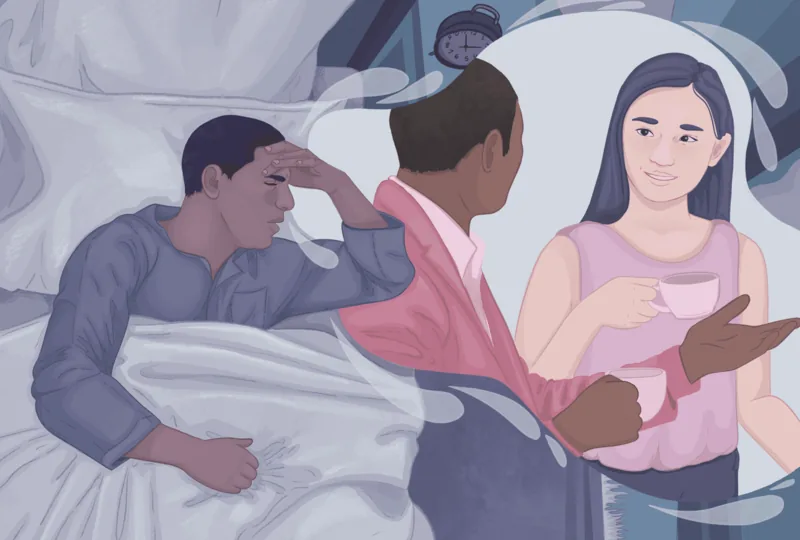
Interpersonal manifestations include direct discrimination, microaggressions, social exclusion, and verbal or physical harassment. These daily experiences create what researchers call "minority stress"--the chronic psychological strain of navigating hostile environments.
Systemic manifestations appear in healthcare disparities, employment discrimination, housing insecurity, and legal inequalities. For example, LGBTQIA+ youth face significantly higher rates of homelessness compared to their heterosexual peers, often due to family rejection (National LGBTQ Task Force, 2023).
New research reveals additional dimensions of the harms of homophobia. Workplace discrimination remains prevalent, with studies showing LGBTQIA+ employees often face wage gaps, promotion barriers, and hostile work environments. Healthcare access represents another critical area, where fear of discrimination prevents many from seeking necessary medical care, leading to worse health outcomes overall.
Psychological and Physical Impacts
The cumulative effects of homophobia create measurable differences in health outcomes and quality of life for LGBTQIA+ communities. Understanding these impacts helps illuminate why addressing prejudice matters for public health and social wellbeing.
Mental health consequences include elevated rates of depression, anxiety, and suicidal ideation. Research indicates that LGBTQIA+ individuals are 2-3 times more likely to attempt suicide than their heterosexual counterparts, with rates particularly high among youth who face family rejection (American Psychological Association, 2024).
Physical health effects emerge through multiple pathways. Chronic stress from discrimination contributes to cardiovascular issues, weakened immune function, and accelerated aging. Healthcare avoidance due to anticipated discrimination leads to delayed diagnoses and treatment, worsening outcomes for conditions ranging from cancer to chronic illnesses.
Educational impacts represent another significant area of concern. LGBTQIA+ students frequently report feeling unsafe at school, leading to higher absenteeism, lower academic achievement, and reduced college attendance rates. These educational disparities create lifelong economic consequences that perpetuate inequality across generations.
Recognizing and Addressing Homophobia
Identifying Personal Biases
Self-reflection represents the first step toward change. Common indicators of homophobic attitudes include avoiding LGBTQIA+ individuals socially, making assumptions about people based on perceived orientation, or believing that LGBTQIA+ identities are somehow inferior or unnatural. Recognizing these patterns allows for intentional growth and behavior change.
Support for Those Affected
If you experience homophobia, prioritize safety while seeking appropriate support. Document incidents when possible, connect with affirming communities, and utilize resources designed for LGBTQIA+ individuals. Many organizations offer crisis support, legal assistance, and mental health services specifically tailored to these experiences.
For immediate support, consider reaching out to LGBTQIA+-affirming helplines or local community centers. Building a network of supportive friends, family members, and professionals can provide crucial buffers against the negative effects of discrimination.
Creating More Inclusive Communities
Moving beyond homophobia requires intentional effort at individual, interpersonal, and institutional levels. These strategies can help foster environments where all people feel valued and respected.
Educational approaches prove particularly effective. Exposure to diverse perspectives through media, literature, and personal relationships reduces prejudice and increases empathy. Workplace diversity training that includes LGBTQIA+ topics has shown measurable improvements in inclusion and reduces discriminatory incidents.
Policy changes create structural support for inclusion. Implementing non-discrimination protections in employment, housing, and healthcare represents a crucial step. Schools can adopt comprehensive anti-bullying policies that specifically address LGBTQIA+ harassment and provide appropriate support services.
Language matters in everyday interactions. Using inclusive terminology, respecting chosen names and pronouns, and avoiding assumptions about relationships or family structures creates welcoming environments. Small changes in daily communication accumulate to create significant cultural shifts over time.
The journey toward reducing the harms of homophobia requires sustained commitment from individuals and institutions alike. By understanding its multifaceted impacts and implementing evidence-based strategies for change, we can work toward creating societies where all people can thrive regardless of sexual orientation or gender identity. The benefits of such transformation extend beyond LGBTQIA+ communities to create more compassionate, creative, and resilient societies for everyone.