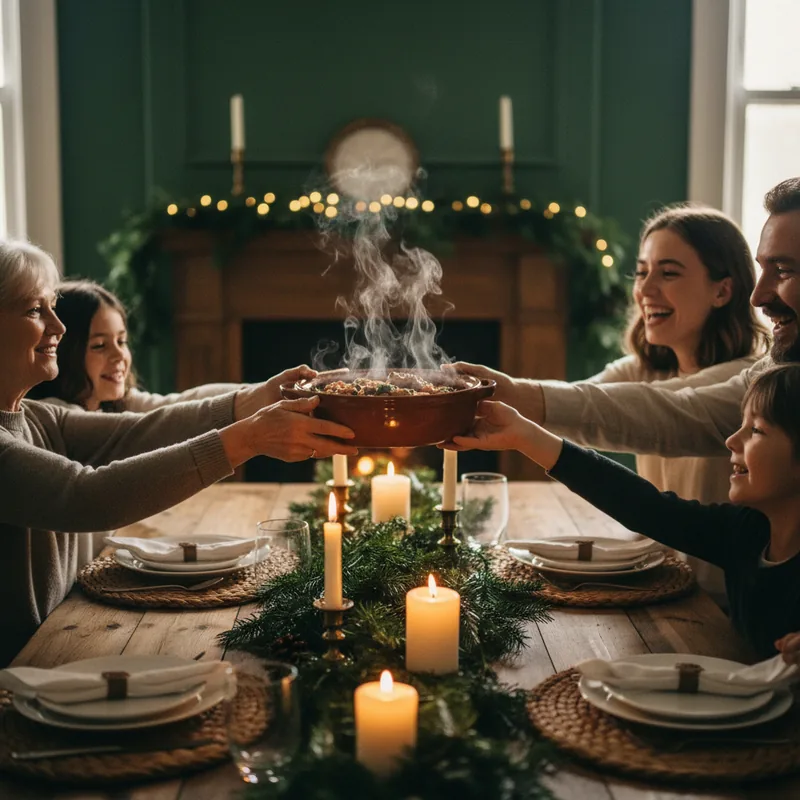
Picture this: The scent of cinnamon and pine fills the air, a familiar casserole emerges from the oven, and as you take that first bite, you're suddenly ten years old again, surrounded by laughter and the warmth of family. This isn't just sentimentality--it's neuroscience. The powerful link between holiday meals and memories is one of the most profound ways we experience nostalgia, rooted in how our brains encode and retrieve the past.
The Science of Sensory Nostalgia
Why does a simple taste or smell possess such extraordinary power to time-travel? It begins with memory binding. When we experience any event, our brain weaves together disparate sensory threads--aromas, flavors, sounds, sights--into a single, cohesive memory trace (Harvard, 2024). Re-encountering just one of those threads, like the distinct flavor of your grandmother's stuffing, can pull the entire tapestry of that moment back into conscious awareness.
This phenomenon is especially potent with holiday foods because they are often unique cues. We might eat roast chicken year-round, but a specific honey-glazed ham prepared only for Christmas becomes a singular sensory bookmark. Research indicates that memories are more readily triggered when a smell or taste is exclusively tied to a particular event or period (Mayo Clinic, 2023). The annual ritual of baking gingerbread houses or frying latkes for Hanukkah creates these perfect, powerful retrieval cues that ordinary meals simply cannot match.
Curating Your Own Culinary Legacy
Most families operate with an unspoken culinary rulebook. There's the non-negotiable dish--perhaps a green bean casserole whose recipe is treated with near-sacred reverence--and the treat everyone anticipates, like a cousin's famous peppermint bark. These traditions form a delicious archive of family history. They blend inherited recipes from previous generations with new creations, building a shared identity one meal at a time.
Consider the making of tamales during Las Posadas, a multi-hour, multi-generational endeavor where stories are shared as masa is spread. The act of preparation itself becomes a memory. Changing these traditions feels risky because we're not just altering a menu; we're tinkering with the sensory anchors of our shared past. This careful curation of taste is how we actively shape the holiday meals and memories we'll recall in years to come.
Beyond the Plate: Emotional Resonance
The magic of these meals extends beyond mere recollection. Sharing these specific foods reinforces bonds and provides emotional continuity. When we break bread over the same holiday dishes year after year, we're participating in a living narrative. We laugh again over the year the turkey was undercooked, and we quietly honor loved ones no longer at the table through their signature recipes.
This cycle of cooking, eating, and remembering does more than feed us; it grounds us. In a fast-changing world, these edible traditions offer a comforting point of reference. They connect us to our personal history and to each other, transforming the dining table into a place of emotional sustenance. The pursuit of perfecting these holiday meals and memories is, at its heart, an act of preserving love and belonging.
Crafting Future Memories
Understanding this science invites us to be more intentional. This season, as you prepare your feast, recognize that you are also preparing future nostalgia. The extra pinch of nutmeg, the specific shape of the cookies, the way you set the table--these details are the sensory brushstrokes of a memory in the making.
Embrace both the perfect pies and the slightly-burnt rolls, for both become part of the story. By mindfully engaging in these rituals, we strengthen the neural pathways that will one day bring these moments flooding back. Here's to the meals that feed more than our bodies--to the holiday meals and memories that nourish our hearts and anchor our stories for generations to come.