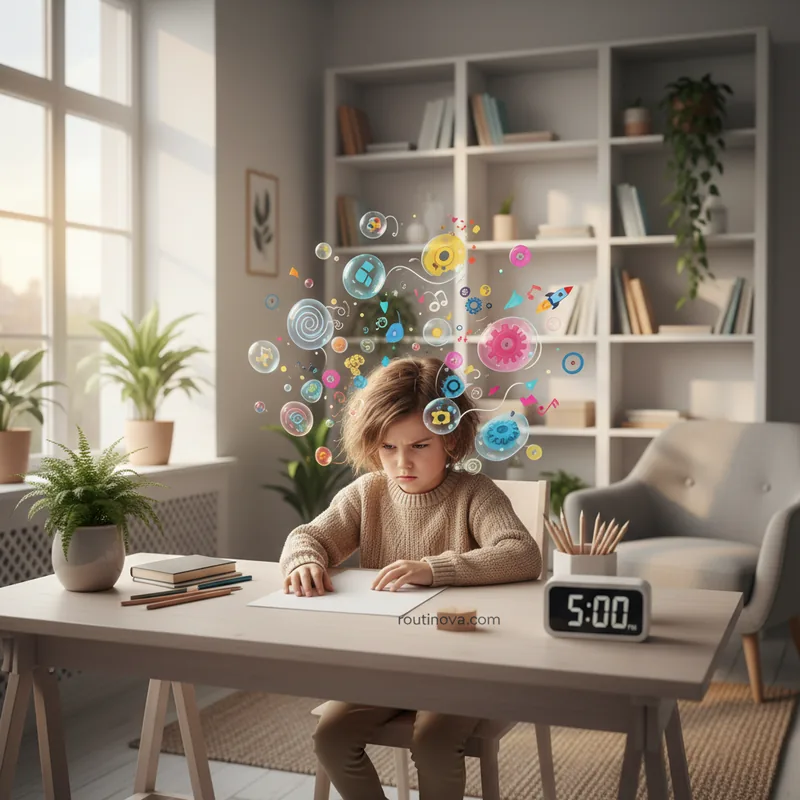
Ever feel a restless urge to tap your foot, twirl a pen, or hum a tune when you're trying to concentrate? If you have ADHD, this isn't just random fidgeting; it's likely stimming - a self-stimulatory behavior that can be a powerful tool for focus and emotional regulation. For too long, stimming has been misunderstood, often dismissed as simply disruptive or odd. But what if it's actually a vital coping mechanism? Understanding what to know about stimming in ADHD can unlock a new level of self-awareness and support for those who experience it.
Stimming, short for self-stimulatory behavior, involves repetitive movements, sounds, or actions. For individuals with ADHD, these actions aren't about seeking attention or being difficult; they're often an unconscious effort to manage an overactive or under-stimulated brain. It's a way to fine-tune focus, process sensory input, and navigate the emotional landscape when traditional methods fall short.
Why Stimming Helps ADHD
The core of why stimming works for ADHD brains likely lies in how information is processed. For many with ADHD, their brains are constantly seeking stimulation to reach an optimal level of arousal for focus and engagement. Stimming provides this necessary sensory input, helping to anchor attention and filter out distractions.
Think of it like a dimmer switch for your brain. When you're under-stimulated, your mind wanders, and tasks feel impossible. When you're over-stimulated, anxiety and overwhelm can take over. Stimming can help find that sweet spot in the middle, making it easier to concentrate on a task, hold onto information, or simply feel more grounded.
Furthermore, stimming can be a significant stress and anxiety reliever. When faced with overwhelming situations or intense emotions, these repetitive actions can act as a calming mechanism, much like a baby sucking on a pacifier. It's a way to self-soothe and regain a sense of control. For many, especially younger individuals who may not have developed sophisticated emotional regulation skills, stimming is a primary outlet for expressing feelings, whether it's excitement, frustration, or boredom.
ADHD Stimming vs. Autism Stimming
It's a common misconception that stimming is exclusive to autism. While it is a very prominent and well-researched behavior in the autistic community, stimming can occur in anyone, including those with ADHD, anxiety, or even neurotypical individuals. The key difference often lies in the underlying neurological differences and the primary function the stimming serves.
For individuals with autism, stimming is frequently a response to sensory overload or a way to cope with anxiety in unpredictable environments. It can be a crucial tool for self-regulation when the world feels too intense or confusing. In ADHD, while anxiety relief is also a factor, stimming is more often linked to the core challenges of attention regulation, impulse control, and combating the under-arousal that makes focusing difficult.
Essentially, both conditions involve neurodevelopmental differences that affect how the brain processes information and interacts with the world. Stimming is a behavior that can arise from these differences, serving different but equally important purposes for the individual.
Common Types of Stimming
Stimming isn't a one-size-fits-all behavior. It manifests in a wide array of ways, often categorized by the senses involved. Understanding these categories can help you recognize stimming in yourself or others.
Visual stimming involves repetitive visual input. This could be watching lights flicker, staring intently at a spinning object, or repeatedly looking at patterns. Some people might trace the lines of a book cover or watch the movement of their own hand.
Auditory stimming centers around sounds. This might include humming, clicking a pen, whistling, repeating words or phrases, or making other repetitive vocalizations. It can also involve listening to specific sounds on repeat.
Movement-based stimming is perhaps the most commonly recognized. This includes actions like fidgeting, tapping fingers or feet, rocking back and forth, pacing, bouncing legs, or spinning. These are often unconscious physical expressions.
Taste and smell stimming involves repetitive interaction with flavors or scents. This could manifest as chewing on non-food items (like pen caps or clothing), smelling objects repeatedly, or seeking out specific strong tastes.
Tactile stimming relates to the sense of touch. People might rub their hands together, touch different textures, pick at their skin or clothes, or hug themselves tightly. The sensation of touch provides grounding.
Oral stimming specifically involves the mouth. Beyond chewing on objects, this can include lip-licking, teeth grinding, or sucking on things. It provides a strong sensory input.
Mental stimming occurs internally. This might involve repeating phrases or words in one's head, mentally reciting lists, counting, or engaging in complex internal visualizations. It's a way to occupy the mind and regulate thoughts.
Examples of ADHD Stimming
To make these categories more concrete, let's look at some real-world examples of how stimming might show up in daily life for someone with ADHD:
- Constantly tapping a pen against a desk or leg during a meeting.
- Humming a familiar song under their breath while working on a complex task.
- Fidgeting with a small object, like a smooth stone or a piece of jewelry, in their pocket.
- Doodling repetitive patterns or shapes in the margins of notebooks.
- Rocking back and forth in their chair when feeling anxious or bored.
- Chewing on the inside of their cheek or biting their nails when concentrating hard.
- Pacing in circles while on a phone call.
- Repeatedly flicking a light switch on and off.
- Visually tracking the movement of a ceiling fan.
- Pressing their hands firmly against their ears to block out overwhelming noise.
These are just a few examples, and stimming can be highly individual. What works for one person might not work for another, and stims can change over time.
What Is Happy Stimming?
Not all stimming is a response to distress or a need for focus. Sometimes, stimming is an expression of pure joy, excitement, or contentment - often called "happy stimming." This is when people might flap their hands, jump up and down, clap, or make excited noises simply because they are feeling good.
Think of a child squealing with delight and jumping up and down when they see a favorite toy, or an adult clapping their hands enthusiastically when their team scores. These are forms of happy stimming. For individuals with ADHD, happy stimming can be a way to amplify positive emotions, express creativity, or simply feel more alive and connected to their experiences.
It's crucial to recognize and validate happy stimming. Discouraging these expressions of joy can be detrimental. Instead, embracing and encouraging these moments allows individuals to fully experience and express their happiness.
How Do I Know If I Stim?
Identifying your own stimming behaviors can be surprisingly challenging, especially if they've become so ingrained they feel like second nature. You might not even realize you're doing them.
One of the most effective ways to discover your stims is to ask trusted friends or family members. They might have observed repetitive behaviors that you're unaware of. "I've noticed you always tap your foot when you're reading," or "You tend to chew on your pen cap when you're thinking," are common observations.
Another strategy is to pay attention to your body and your environment. When do you feel restless? What do you do when you're bored, anxious, or trying to focus? Are there specific objects you find yourself touching or playing with? Keeping a simple journal for a week, noting moments of restlessness and what you did in response, can reveal patterns.
Consider what feels calming or grounding. Do certain textures, sounds, or movements bring you comfort? These are often clues to your personal stimming repertoire. The goal isn't to stop stimming, but to become aware of it so you can understand its purpose and manage it if it becomes problematic.
How to Manage Stimming Behaviors
While stimming is often beneficial, there are times when it can be disruptive, socially stigmatizing, or even harmful (like biting nails to the point of injury). In such cases, managing these behaviors becomes important, but the focus should always be on finding healthier alternatives rather than complete suppression.
Identify Triggers: First, understand what situations or emotions lead to your stimming. Is it boredom, anxiety, sensory overload, or a need for focus? Knowing the trigger is the first step to managing the response.
Find Alternative Stims: If a particular stim is problematic, explore less disruptive or safer alternatives. For example, if you chew your pen cap, try a chewable necklace or silicone chew tube. If you fidget excessively, a small, quiet fidget toy can be helpful.
Create a Stimming-Friendly Environment: If possible, create spaces where you can stim freely. This might involve having a designated fidget toy at your desk or choosing a seat in a meeting where you can subtly move without disturbing others.
Scheduled Breaks: For those using stimming to manage focus, schedule short breaks to move or engage in a less disruptive stim. This can help reset your attention span.
Mindfulness and Self-Awareness: Practicing mindfulness can help you become more aware of your urges to stim and allow you to make a conscious choice about how to respond. This takes practice, but it can increase your sense of control.
Professional Support: If stimming significantly interferes with your daily life, work, or relationships, consider speaking with a therapist or counselor specializing in ADHD. They can offer personalized strategies and coping mechanisms.
The key is not to eliminate stimming, but to redirect it in ways that are functional and healthy for you.
How to Help Someone Who Stims
If you know someone with ADHD who stims, your understanding and support can make a significant difference. Remember that stimming is often a necessary part of their experience.
Be Non-Judgmental: Avoid making critical comments or expressing disapproval of their stimming behaviors. What might seem odd to you is likely functional for them. Refrain from saying things like, "Stop that!" or "You're being disruptive."
Seek to Understand: Gently try to understand the purpose behind their stimming. Are they trying to focus, calm down, or express excitement? A simple, "Does that help you concentrate?" can open a dialogue.
Offer Alternatives (Gently): If a stim is causing harm or significant disruption, you might, with their consent, suggest alternatives. For example, "Would you like to try this stress ball instead of tapping your pen?"
Provide Space: If possible, give them the space to stim without feeling self-conscious. This might mean not staring or commenting when they stim.
Validate Their Experience: Acknowledge that stimming is a valid way for them to cope and regulate. Let them know you accept them, stims and all.
Encourage Healthy Outlets: Support them in finding other healthy ways to manage stress and energy, such as exercise, creative hobbies, or social activities, which can sometimes reduce the *need* for certain types of stimming.
By approaching stimming with empathy and curiosity, you can foster an environment of acceptance and support for individuals with ADHD.