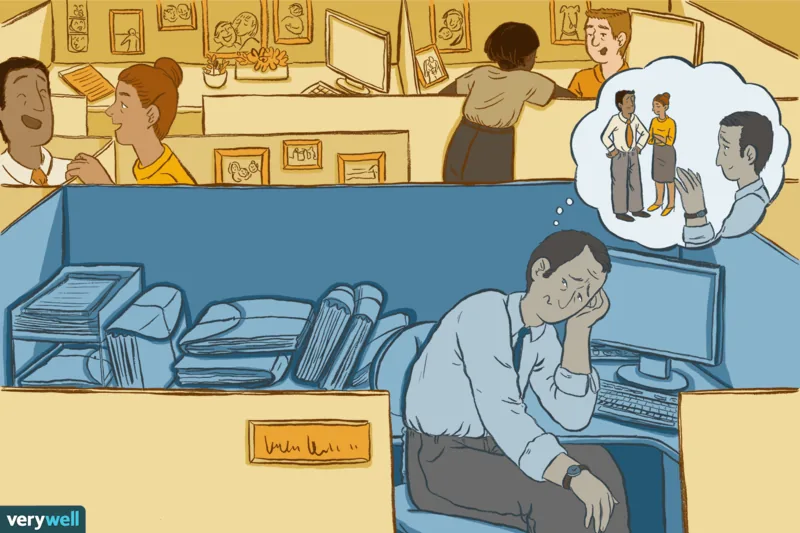
Imagine a world where every social interaction feels like walking a tightrope over a pit of judgment. You crave connection, yet the very thought of reaching out sends a jolt of panic through you. This isn't just shyness; it's the profound, isolating experience of avoidant personality disorder (AVPD), a condition where the fear of rejection can build impenetrable walls around your life.
What is Avoidant Personality Disorder?
Avoidant personality disorder (AVPD) is a mental health condition characterized by a pervasive pattern of social inhibition, feelings of inadequacy, and hypersensitivity to negative evaluation. Individuals with AVPD often desperately want to connect with others but are held back by an overwhelming fear of being criticized, embarrassed, or rejected. This can lead to significant distress and impairment in social, occupational, and other important areas of functioning.
The core of AVPD lies in a deep-seated belief of being fundamentally flawed or unlikable. This internal narrative fuels an intense avoidance of situations that might expose these perceived deficiencies, creating a vicious cycle of isolation. Understanding the nuanced avoidant personality disorder: symptoms is the first step toward breaking free from this pattern.
While often mistaken for extreme shyness or social anxiety, AVPD is a distinct personality disorder. It's marked by a more generalized fear across most social contexts and a profound sense of personal inadequacy that colors every interaction. The impact can be devastating, leaving individuals feeling trapped and alone, even when surrounded by others.
The Pervasive Symptoms of AVPD
The experience of avoidant personality disorder is multifaceted, manifesting in a wide array of emotional, cognitive, and behavioral patterns. Recognizing these signs is crucial for both individuals experiencing them and those who care about them. The avoidant personality disorder: symptoms can range from subtle internal struggles to overt avoidance behaviors.
At its heart, AVPD is driven by a profound fear of criticism and rejection. This fear is so potent that it can dictate an individual's life choices, leading to:
- An intense desire to be liked and accepted, often leading to people-pleasing behaviors.
- Extreme self-consciousness, making even casual social encounters feel like performances under a harsh spotlight.
- A constant state of vigilance, scanning for any sign of disapproval or criticism, however subtle.
- Feelings of inadequacy and inferiority, believing oneself to be socially inept or less capable than others.
- Anxiety in social situations, often anticipating negative outcomes and feeling tense or fearful.
- Hypersensitivity to perceived criticism, often misinterpreting neutral interactions as negative.
- Avoidance of social situations, intimacy, and even career advancement opportunities due to fear of failure or rejection.
- Lack of close friends or a supportive social network, often due to difficulty initiating or maintaining relationships.
- A reluctance to take risks or try new things, fearing embarrassment or humiliation.
Consider Sarah, a talented graphic designer who consistently turns down opportunities for leadership roles. She fears that if she takes on more responsibility, her colleagues will discover she's not as skilled as they believe, leading to her inevitable downfall. This internal monologue, a hallmark of AVPD, prevents her from advancing, even though her work is consistently praised.
Another common symptom is anhedonia, a diminished ability to experience pleasure. When your focus is perpetually on potential threats and social anxieties, the capacity to enjoy life's simple pleasures can fade. This pervasive sense of unease and self-doubt is a central aspect of the avoidant personality disorder: symptoms.
Navigating the Path to Diagnosis
Diagnosing avoidant personality disorder requires a thorough evaluation by a qualified mental health professional. It's classified as a Cluster C personality disorder in the Diagnostic and Statistical Manual of Mental Disorders (DSM-5), a guide used by clinicians to diagnose mental health conditions. While a primary care physician can be the first point of contact, a referral to a psychologist or psychiatrist is typically necessary for a definitive diagnosis.
The DSM-5 outlines specific criteria that must be met, indicating a persistent pattern of behavior that begins in early adulthood and is present in a variety of contexts. At least four of the following must be evident:
- Avoidance of social or occupational activities that involve significant interpersonal contact due to fears of criticism, disapproval, or rejection.
- Unwillingness to get involved with people unless certain of being liked.
- Restraint within intimate relationships because of the fear of being shamed or ridiculed.
- Preoccupation with being criticized or rejected in social situations.
- Inhibition in new interpersonal situations because of feelings of inadequacy.
- Viewing oneself as socially inept, personally unappealing, or inferior to others.
- Unusually reluctant to take personal risks or engage in any new activities because they may prove embarrassing.
It's important to distinguish AVPD from social anxiety disorder (SAD), as there's considerable overlap in symptoms. Both involve fear of negative evaluation. However, the underlying drivers can differ. While SAD is primarily driven by intense anxiety, AVPD is more rooted in deep-seated feelings of worthlessness and inadequacy (Harvard, 2024). Some individuals may even meet the criteria for both conditions.
Another consideration is dependent personality disorder, which also involves fears of rejection but is characterized by a need for reassurance and a passive approach to life, rather than the active avoidance seen in AVPD. A comprehensive assessment ensures the correct diagnosis, paving the way for tailored treatment.
The Roots and Far-Reaching Impact of AVPD
The development of avoidant personality disorder is complex, believed to stem from a combination of genetic predispositions, environmental factors, and psychological experiences. Early life experiences, particularly those involving criticism, emotional neglect, or rejection by caregivers or peers, can significantly contribute to the formation of core beliefs about one's inadequacy and unacceptability (Mayo Clinic, 2023).
Children who exhibit early behavioral inhibition--a tendency to be shy and withdrawn in unfamiliar situations--may be at higher risk. Negative social experiences during childhood can solidify these tendencies into maladaptive thought patterns that persist into adulthood, increasing the likelihood of developing AVPD. Think of Michael, who as a child was constantly belittled by his older siblings. This constant criticism fostered a deep-seated belief that he was inherently flawed, leading him to avoid social situations throughout his life, convinced he had nothing valuable to offer.
The impact of untreated AVPD can be profound and far-reaching:
- Social Isolation: The most direct consequence is severe social isolation, leading to loneliness and a lack of meaningful connection.
- Occupational Difficulties: Many individuals avoid jobs or promotions that require social interaction, limiting career growth and financial stability.
- Relationship Problems: Forming and maintaining intimate relationships becomes incredibly challenging, often leading to fractured connections or complete avoidance of romantic involvement.
- Co-occurring Conditions: AVPD frequently co-occurs with other mental health issues, such as depression, anxiety disorders (especially social anxiety), and substance use disorders, further complicating an individual's well-being.
- Reduced Quality of Life: The constant fear, self-doubt, and isolation significantly diminish overall life satisfaction and happiness.
Despite the desire for connection, the fear is often so overwhelming that individuals with AVPD may struggle to even articulate their needs or seek help, perpetuating their isolation.
Treatment and Building Resilience
While the pervasive nature of AVPD can make treatment challenging, it is far from hopeless. The primary goal of therapy is to help individuals gradually confront their fears, challenge their negative self-beliefs, and develop healthier coping mechanisms. The journey involves building trust and creating a safe space for exploration.
Talk Therapy: Psychotherapy is the cornerstone of AVPD treatment. Several approaches have proven effective:
- Cognitive Behavioral Therapy (CBT): CBT helps individuals identify and challenge distorted thought patterns and negative self-talk that fuel avoidance. It also involves gradually exposing individuals to feared social situations in a controlled, supportive environment to build confidence.
- Schema Therapy: This integrative approach focuses on identifying and modifying deeply ingrained maladaptive schemas (patterns of thinking and feeling) often originating from childhood experiences. Techniques like 'limited reparenting' help individuals meet unmet emotional needs.
- Psychodynamic Therapy: Explores how past experiences and unresolved conflicts may contribute to current symptoms, fostering insight and emotional processing.
- Group Therapy and Social Skills Training: These provide opportunities to practice social interactions in a supportive group setting, receive feedback, and learn essential social skills.
Medication: While there are no medications specifically approved for AVPD itself, medications can be highly beneficial for managing co-occurring symptoms such as depression and anxiety (Cleveland Clinic, 2017). Antidepressants (like SSRIs) and anti-anxiety medications can help alleviate distress, making it easier for individuals to engage in therapy.
Coping Strategies: Beyond formal treatment, developing healthy coping mechanisms is vital:
- Self-Compassion: Practicing kindness and understanding towards oneself, especially during difficult moments.
- Mindfulness: Focusing on the present moment without judgment can help reduce anxiety about the future or regrets about the past.
- Gradual Exposure: Slowly and systematically engaging in feared social situations, starting with less challenging ones.
- Building a Support System: Encouraging trusted friends or family to be part of the support network, helping them understand AVPD.
- Setting Realistic Goals: Focusing on small, achievable steps rather than overwhelming oneself with drastic changes.
If you or someone you know is struggling with symptoms of avoidant personality disorder, reaching out for professional help is a courageous and essential step. Resources like the Substance Abuse and Mental Health Services Administration (SAMHSA) National Helpline (1-800-662-4357) can provide valuable support and referrals to treatment facilities.