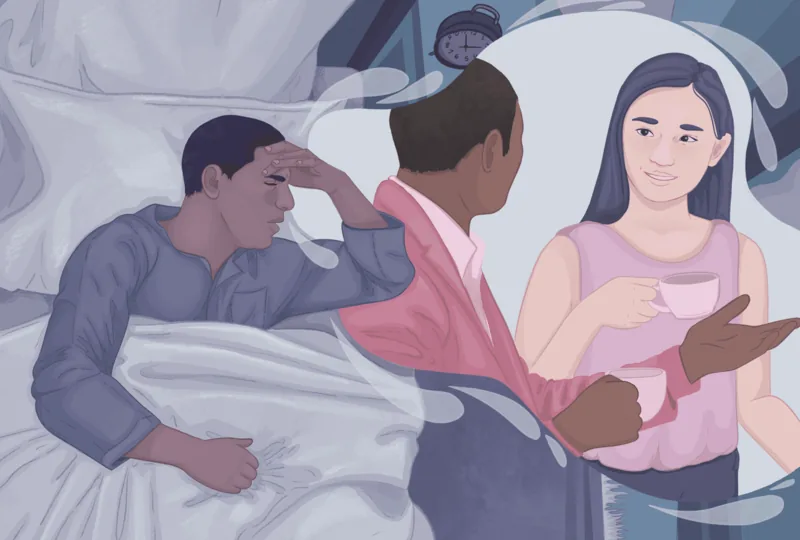
Have you ever observed someone who seems perfectly content in their own company, showing little desire for close friendships or emotional expression? While many value solitude, for some, this profound detachment is a core characteristic of a mental health condition. This deeply ingrained pattern is known as Schizoid Personality Disorder (SPD), a chronic condition marked by significant social withdrawal and a pervasive sense of indifference towards others (Harvard, 2024). Understanding the core schizoid personality disorder symptoms is crucial for recognizing this condition. Individuals with SPD often appear distant and may struggle to express emotions, finding little pleasure in typical social interactions or intimate relationships.
Understanding Schizoid Personality Disorder
Schizoid Personality Disorder (SPD) is a pervasive and enduring mental health condition characterized by profound social isolation and emotional detachment. Those affected often describe a consistent lack of interest in forming close personal relationships, preferring solitary activities over social engagement (Mayo Clinic, 2023). This disinterest extends to a limited capacity for emotional expression, making individuals appear cold or indifferent to others.
Unlike shyness or introversion, SPD represents a deeply ingrained personality pattern that impacts multiple aspects of an individual's life. It is considered relatively uncommon and is more frequently diagnosed in men than in women. While often appearing self-sufficient, individuals with SPD may still be vulnerable to co-occurring conditions, such as depression, stemming from their isolated existence.
Recognizing Schizoid Personality Disorder Symptoms
Identifying schizoid personality disorder symptoms involves observing a consistent pattern of behaviors and internal experiences. People with SPD typically exhibit a profound preoccupation with introspection and fantasy, often retreating into their inner world as a primary mode of engagement. They tend to be indifferent to both praise and criticism, showing little emotional reaction to external validation or rejection.
Key indicators of SPD include a marked detachment from others and a minimal desire for close relationships. They often show indifference to prevailing social norms and expectations, not out of defiance, but due to a lack of intrinsic interest in conforming. Participation in recreational or pleasurable activities is infrequent, and they often report finding little enjoyment in social or family gatherings. Observers frequently describe them as aloof, withdrawn, and emotionally unresponsive.
Typical Onset and Life Impact
The characteristic traits of SPD often become noticeable during childhood, solidifying into a clear pattern by early adulthood. The varied presentation of schizoid personality disorder symptoms can significantly impact various life domains, including family dynamics, educational pursuits, and professional careers. For instance, an individual might consistently choose to eat lunch alone at work, politely declining all invitations for team outings or social events (New Example 1).
The diagnostic criteria for SPD, as outlined in the DSM-5, describe a pervasive pattern of social and interpersonal deficits. This includes acute discomfort with and a reduced capacity for close relationships, alongside cognitive or perceptual distortions and eccentricities of behavior. These patterns must begin by early adulthood and manifest in diverse contexts (Harvard, 2024).
Individuals with SPD frequently have few friendships, rarely engage in romantic dating, and often do not marry. The disorder's manifestations can also make it challenging to thrive in roles requiring extensive social interaction or strong interpersonal skills. Consequently, those with SPD often gravitate towards occupations that allow for solitary work, such as a night security guard or a data entry specialist (New Example 2).
SPD vs. Schizophrenia and Schizotypal Personality Disorder
While Schizoid Personality Disorder is part of the broader schizophrenia spectrum, sharing some superficial similarities with schizophrenia and schizotypal personality disorder, crucial distinctions exist. Individuals with SPD rarely experience the paranoia or hallucinations common in schizophrenia. Furthermore, while their conversational style might seem distant, their speech remains coherent and logical, unlike the disorganized thought patterns often seen in schizophrenia (Mayo Clinic, 2023).
Unpacking the Causes and Diagnosis of SPD
The precise causes of Schizoid Personality Disorder are not fully understood. However, it is widely believed that a complex interplay of genetic predispositions and environmental factors contributes to its development (Harvard, 2024). Personality itself is shaped by a multitude of influences, including inherited traits, early childhood experiences, parenting styles, educational environments, and various social interactions. All these elements likely play a role in the emergence of SPD.
The Diagnostic Process
If you or a loved one are concerned about potential schizoid personality disorder symptoms, the initial step often involves consulting a primary care physician. The doctor will assess the presenting symptoms and rule out any underlying medical conditions that might be contributing to them. Typically, a referral to a mental health professional, such as a psychiatrist or clinical psychologist, will follow.
For a formal diagnosis of SPD, the DSM-5 requires an individual to display at least four of the following specific criteria:
- A consistent preference for solitary activities.
- Noticeable emotional detachment and a limited range of emotional expression.
- Experiencing little pleasure from most activities.
- Indifference to both criticism and praise from others.
- A lack of desire for or enjoyment of close personal relationships.
- Little to no interest in sexual experiences with others.
- Having no close friends or confidants, other than immediate family members (Mayo Clinic, 2023).
Understanding these specific schizoid personality disorder symptoms is essential for a precise diagnosis. Diagnosis is primarily made by mental health professionals specializing in personality disorders. General practitioners often lack the specific training required for this nuanced diagnosis, particularly given SPD's relative uncommonness and its potential to be confused with other mental health conditions. It is noteworthy that individuals with schizoid personality disorder rarely initiate treatment on their own, often only seeking help when the condition has significantly disrupted multiple areas of their life.
Effective Treatment Approaches for SPD
Treating Schizoid Personality Disorder can present unique challenges. Individuals with SPD often do not actively seek treatment, and when they do, forming a therapeutic alliance can be difficult due to their inherent struggles with developing close relationships. The pervasive social isolation characteristic of SPD also complicates the process of finding and engaging with support systems (Harvard, 2024).
However, progress is possible. People with SPD may find it easier to establish relationships centered around shared intellectual pursuits, occupational goals, or recreational activities. These types of connections are often less reliant on deep self-disclosure and emotional intimacy, making them more manageable. For example, joining a chess club or a hiking group provides structured interaction without intense emotional demands (New Example 3).
While there are no specific medications for SPD itself, pharmacological interventions may be used to manage co-occurring symptoms like anxiety or depression. These medications are typically employed in conjunction with psychotherapy. Cognitive Behavioral Therapy (CBT) can be beneficial, helping individuals identify and modify problematic thought patterns and behaviors, and develop more adaptive coping skills. Group therapy, when carefully structured, can also offer a safe environment to practice interpersonal skills.
One-on-one therapy can feel intimidating for those with SPD due to the intense social interaction required. Therapeutic success often hinges on mental health professionals adopting a gentle, non-pressuring approach, avoiding excessive emotional demands that might overwhelm the client (Mayo Clinic, 2023).
Navigating Life and Building Support with SPD
Given the nature of Schizoid Personality Disorder, individuals might feel that retreating into solitude is the simplest path. However, even those who prefer being alone can experience feelings of loneliness and isolation. While emotional intimacy is challenging, there are proactive steps to seek out support and connection.
Consider engaging in social groups that revolve around work, hobbies, or shared interests. As discussed, these contexts allow for social interaction without the pressure of intense emotional disclosure. This pragmatic approach can be an excellent way to gradually build social connections and reduce isolation without feeling overwhelmed. Focus on activities where the primary goal is the activity itself, rather than deep personal bonding.
For loved ones supporting an individual with SPD, patience and understanding are paramount. Avoid judgment and gently encourage them to seek professional treatment. It is crucial to refrain from pushing them into social situations or relationships that cause discomfort or pressure. Instead, identify activities that can be shared without requiring significant emotional investment, such as watching a movie together or working on a shared project. Respecting their need for personal space and autonomy is key to fostering trust and maintaining a supportive relationship.