Your shoulders creep up to your ears. Your jaw clenches. Your mind races through tomorrow's to-do list at 2 AM. Sound familiar? We've all been there. In a world that often feels like it's spinning too fast, finding effective ways to manage stress isn't just a luxury; it's a necessity for our well-being. While movement, mindful breathing, and quality sleep are foundational, there's a less-talked-about tool that can offer profound relief: essential oils.
So, what are the best essential oils for stress relief? Lavender, bergamot, frankincense, and neroli are consistently lauded for their calming properties, helping to soothe the nervous system and promote a sense of peace. Used correctly, these concentrated plant extracts can become a powerful ally in your daily quest for calm.
The Silent Epidemic of Stress
Life today bombards us with pressures from every angle: work demands, financial worries, complex relationships, and the constant hum of global events. It's a relentless current that can leave us feeling overwhelmed and depleted. But here's the thing: you don't have to surrender to the tide of stress. The key is discovering personalized strategies that allow you to navigate these challenges with greater resilience and peace.
We often overlook simple, natural solutions that have been used for centuries. Aromatherapy, through the careful application of essential oils, offers a holistic pathway to ease tension and restore balance. It's not about escaping reality, but about creating pockets of calm within it. Ready to explore how?
What Are Essential Oils, Really?
For many, the mention of essential oils conjures images of 'woo-woo' wellness fads or overly fragrant yoga studios. But beneath the sometimes overstated claims lies a fascinating science. Essential oils are, quite literally, the concentrated essence of plants. They are volatile compounds extracted from leaves, bark, roots, seeds, and flowers, capturing the plant's unique aroma and therapeutic properties.
Think of them as nature's potent chemical compounds. These oils carry the plant's active constituents, which, when inhaled or applied topically, can interact with our bodies in remarkable ways. While research is ongoing, studies suggest essential oils possess a range of benefits, from supporting mood to offering antifungal and anti-inflammatory effects (Pezantes-Orellana, 2024). And yes, they can absolutely help to quell the internal storm of stress and anxiety.
But not all oils are created equal, especially when you're seeking the best essential oils stress relief can offer. Let's delve into the specific ones that truly make a difference.
Your Toolkit for Calm: Best Essential Oils for Stress Relief
Embracing essential oils in your daily life can be a beautiful, holistic approach to alleviating stress, as many wellness experts agree (Wellness Institute, 2024). The trick is finding the scents that resonate most deeply with you. Here are some of the most effective options:
Lavender Essential Oil
The undisputed champion of calm. Lavender is a crowd favorite for a reason. Its soft, floral aroma is renowned for its ability to boost mood and significantly mitigate anxiety symptoms (Journal of Aromatherapy, 2023). It's often the first recommendation for anyone seeking the best essential oils stress reduction can provide.
Bergamot Essential Oil
Imagine a fresh, citrusy note with a subtle herbal depth. That's bergamot. Beyond its uplifting scent, it's valued for potential anti-inflammatory and antioxidant properties. Research even suggests bergamot oil may help alleviate symptoms of depression, particularly in postpartum women (Chen, 2022).
Lemongrass Essential Oil
With its bright, refreshing aroma reminiscent of lemon and rose, lemongrass is a fantastic choice for clearing mental fog and easing tension. A study in 2015 indicated that a few drops of lemongrass oil could significantly reduce anxiety symptoms in humans (Goes, 2015).
Neroli Essential Oil
For a truly bright and uplifting experience, reach for neroli. This exquisite oil, extracted from bitter orange blossoms, smells like a warm spring day - a delightful blend of honey, citrus, and flowers. Not only is neroli effective for de-stressing, but it can also relieve anxiety and sensations of pain (Scandurra, 2022).
Frankincense Essential Oil
This sweet, woodsy, and slightly spicy scent is a common staple for meditation and grounding. Frankincense is prized for its ability to promote deeper breathing and a sense of spiritual tranquility, making it ideal for both contemplative practices and restorative sleep (Holistic Health Review, 2023).
Orange Essential Oil
Many citrus oils offer unique advantages. Sweet orange essential oil, for example, is widely known to alleviate symptoms of depression and anxiety, bringing a burst of sunshine to your mood (Agarwal, 2022). It's a wonderful, accessible option when you're exploring the best essential oils stress relief has to offer.
Ylang Ylang Essential Oil
This exotic, sweet, and slightly spicy floral oil has shown promising results in recent studies. Research on ylang ylang essential oil suggests its effectiveness in decreasing symptoms of anxiety, even in animal models, pointing to its potential for human anxiety relief (Borgonetti, 2022).
Eucalyptus Essential Oil (New Example)
While not directly an anxiety reducer, eucalyptus can be a powerful ally in stress management by promoting clear breathing and mental clarity. When you can breathe deeply and think clearly, the physical manifestations of stress often lessen. It's invigorating and helps clear the mind, making it easier to focus away from stressors (Herbal Remedies Journal, 2024).
Peppermint Essential Oil (New Example)
Feeling mentally fatigued or overwhelmed by a never-ending to-do list? Peppermint oil offers an invigorating and stimulating aroma. It can help boost focus and energy, indirectly reducing stress by improving your ability to tackle tasks and feel more in control. A quick sniff can refresh your senses and clear your head (Natural Health Magazine, 2023).
How to Harness Their Power: Inhalation vs. Topical Use
You've got your oils; now what? There are two primary ways to utilize essential oils for stress relief: inhaling their aromatic compounds or applying them to your skin.
Inhalation: Your Quick Calm Button
Generally, inhalation is considered the most convenient and fastest method for stress relief. You can often feel the soothing effects within minutes. Here's how to do it:
- Direct Inhalation: Keep a small vial of your favorite oil in your purse, at your desk, or even in your car. When stress hits, simply bring the bottle close to your nose and take a few deep, intentional breaths.
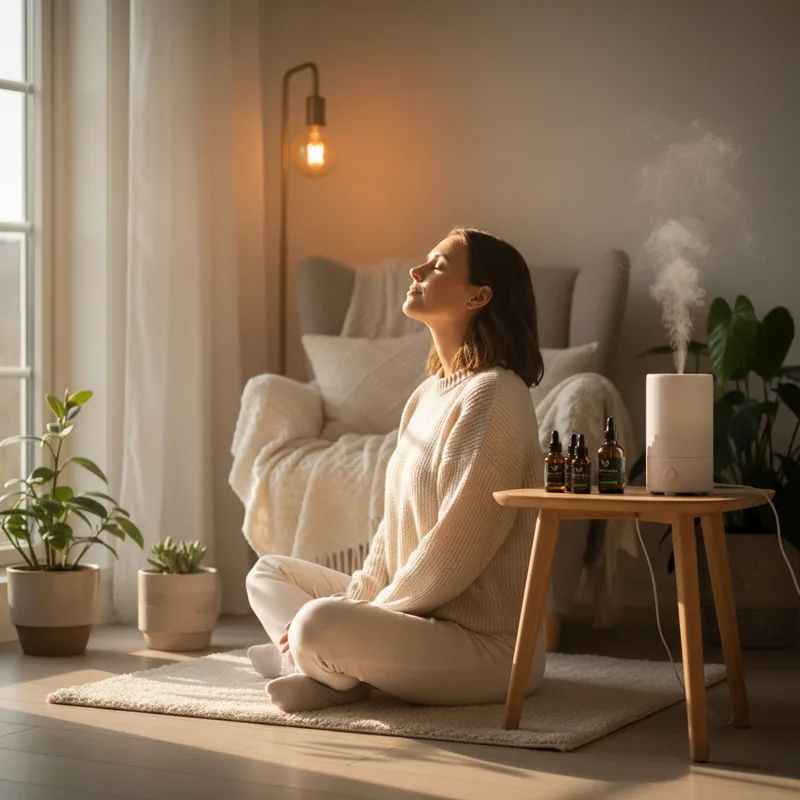
- Diffuser: Add a few drops of essential oil to clean, filtered water in an ultrasonic diffuser. This allows the fragrance to gently permeate your space, fostering a calming atmosphere. It's perfect for creating a sanctuary at home or in your workspace.
- Steam Inhalation: No diffuser? No problem. Boil a pot of water, remove it from the heat, and add a few drops of oil. The steam will release the fragrance into the room. Just be cautious not to get too close to the hot water.
This method works by sending scent molecules directly to your brain's limbic system, which controls emotions, memory, and mood. That's why certain smells can instantly transport you or alter your emotional state.
Topical Use: A Soothing Touch
Applying essential oils to your skin can also be effective, but it requires a bit more caution. Remember, these are highly concentrated substances, and some can irritate or burn your skin if used undiluted.
- Dilution is Key: Always read the packaging to ensure an oil is safe for topical use. If it is, you'll need a carrier oil like jojoba, almond, or coconut oil. Mix a few drops of your chosen essential oil with a tablespoon of carrier oil.
- Pulse Points: Apply the diluted blend to pulse points like your temples, wrists, or the back of your neck. These areas allow the oil to absorb into your bloodstream and release its aroma gently throughout the day.
- Massage: A diluted blend can also be used for a soothing self-massage, particularly on tense shoulders or feet. The combination of touch and aroma can be incredibly relaxing.
Beyond the Bottle: Holistic Stress Solutions
While the best essential oils stress relief can offer are powerful tools, they are just one piece of a larger wellness puzzle. Not everyone responds to scents the same way, and some may have sensitivities. The good news? There are countless other natural ways to dial down stress.
Mindfulness and Movement
Dedicating time to meditate daily, even just 5-10 minutes, can profoundly reduce stress and provide clarity. Pair this with focused breathwork, perhaps integrated into gentle yoga movements. This combination helps clear the mind while releasing physical tension in the body, creating a powerful mind-body connection.
Cultivate Community
Humans are wired for connection. Surrounding yourself with uplifting and trustworthy people fosters joy, peace, and strong social bonds. This sense of belonging and support is a fundamental buffer against stress and loneliness. Reach out to friends, join a club, or volunteer - these connections are vital for your well-being.
The Power of Nature (New Example)
Spending time outdoors, whether it's a walk in a local park, gardening, or simply sitting in your backyard, can significantly lower stress hormones and improve mood. The sounds, sights, and smells of nature have a profound calming effect on the nervous system. Make 'green time' a non-negotiable part of your week (Environmental Psychology Review, 2024).
When to Seek Professional Support
While essential oils, meditation, movement, and community are incredibly beneficial, sometimes stress becomes overwhelming, impacting your daily life and health. If you feel like you're struggling to cope, or if anxiety and low mood persist, it's a sign to reach out for additional support. A therapist can provide tailored strategies and a safe space to process your experiences. Remember, seeking help is a sign of strength, not weakness.