If you've ever grimaced at the thought of tracking the mileage on your favorite running shoes, or wondered if your bike tires are due for a swap, you're not alone. The struggle to keep tabs on your precious gear, especially across different activities, has been a real headache for many athletes. The good news? Garmin just added gear-tracking features that are about to make your life a whole lot easier, finally offering the precision and flexibility we've been craving. This isn't just about logging shoes anymore; it's a comprehensive update designed to give you unparalleled insight into the lifespan and usage of virtually all your active equipment.
Beyond Shoes: A Universe of Trackable Gear
For years, Garmin users could track shoes. That was it. But here's the thing: our active lives involve so much more than just footwear. Thankfully, a recent, free software update for several Garmin watches, paired with a revamped Garmin Connect phone app, changes everything. This robust overhaul of how Garmin handles gear tracking opens up a whole new world of possibilities, moving far beyond the basics.
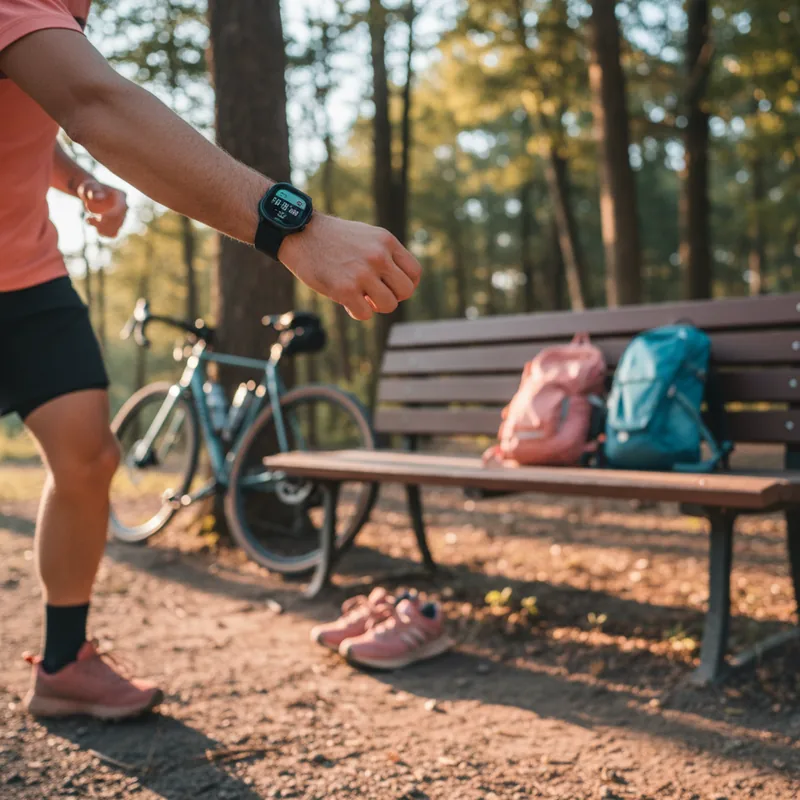
Now, your bike isn't just a bike; you can track its frame, tires, or even individual components like a power meter. Think about it: knowing when your road bike tires have hit their optimal mileage for replacement, or how many hours you've put on your mountain bike's suspension. The possibilities don't stop there. You can now track skis, surfboards, boots, boats, skates, and even wheelchairs. Imagine logging the wear on your climbing ropes for safety (Gear Safety Alliance, 2023) or monitoring the usage of your tennis rackets to know when to restring for peak performance.
The Garmin Connect app, accessible via the "More" menu, has transformed its "Gear" section. Key enhancements include:
- Expanded Gear Types: More categories than ever before, ensuring almost any piece of equipment can be logged.
- Visual & Contextual Notes: Add photos and detailed notes to each gear entry. This means you can snap a picture of a new scratch on your surfboard or detail the last time your ski bindings were serviced.
- Streamlined Setup: A database of existing brands and models makes adding new gear quick and easy.
- Smarter Automatic Tracking: Gear tracking is now more detailed and intelligent, adapting to your specific activities.
- "Collections" for Bundled Gear: Group items used together, like your triathlon kit or specific hiking setup.
- On-Watch Stats: View key gear statistics directly from your Garmin device.
Garmin Forerunner 970 Premium GPS Smartwatch (Black)
Precision Tracking for Every Activity
What most people don't realize is how much difference personalized gear tracking makes. Remember the frustration of only being able to set one default running shoe? If you're a runner, you know the difference between your road shoes, your trail shoes, and maybe even your treadmill-specific trainers. The old system just didn't cut it. But here's where the true power of what Garmin just added to gear tracking becomes clear.
Now, you can assign specific gear to specific activity types. My beloved, mud-caked trail shoes? They're now the default for "Trail Run" activities. My sleek Nike Downshifters, targeting 1,000 miles? They automatically log for "Run." And if I had a dedicated pair for indoor track sessions, those could be assigned to "Treadmill Run." This level of granular control means your data is more accurate, and you don't have to manually swap gear after every workout. It's about making your workflow smoother, not adding more steps.
Okay, but why does this matter beyond shoes? Garmin now offers "collections" of gear that you use together. Think about it: a triathlon collection could include your wetsuit, road bike, and specific running shoes, all automatically linked to your "Triathlon" activity. Or perhaps a "Winter Hike" collection featuring your insulated boots, hiking poles, and snowshoes. This feature ensures every component of a complex activity is accounted for, providing a holistic view of your equipment's lifecycle (Outdoor Gear Review, 2024).
Your Gear, Your Watch: Control at Your Fingertips
The ultimate convenience comes when you can manage things without reaching for your phone. The ability to manage your gear directly from your wrist is another highlight of the new gear-tracking capabilities Garmin just added. While there isn't a dedicated "gear glance" on the watch face yet, you can easily interact with your gear settings within specific activity profiles. Sound familiar? It's a game-changer for on-the-go adjustments.
When you select an activity, like "Run," your watch will display the default gear assigned to it. If you need to make a change--say, you decided to hit the trails last minute instead of the road--you can simply scroll down, pick a different pair of shoes, or even choose not to log any gear for that specific activity. This flexibility is crucial for real-world scenarios where plans change. What's more, when you view each gear item on your watch, you'll see a progress bar indicating how many miles or hours you've put on it compared to its entered lifespan. This instant feedback helps you decide if that shoe has one more run in it, or if it's time to retire it.
The Future of Fitness Tracking is Here
This update isn't just a minor tweak; it's a significant step forward for anyone serious about their fitness and the longevity of their equipment. With Garmin just added gear-tracking, athletes gain a powerful tool for managing their investments, optimizing performance, and ensuring safety. No more guessing games about when to replace that worn-out component or risking injury on overused shoes. This is about empowerment through data, putting you firmly in control of your active lifestyle.
It's clear that Garmin is listening to its community, delivering features that genuinely enhance the user experience. This level of detail and control wasn't just "nice to have"; it was essential. And now, it's finally here, ready to transform how you interact with your gear, one activity at a time.