Picture this: You're scrolling through social media, seeing vibrant displays of queer joy, yet a quiet, critical voice whispers in your mind, questioning your own authenticity or worth within the LGBTQIA+ community. Or perhaps you find yourself instinctively editing your personal stories to avoid revealing your identity, even in safe spaces. This subtle, often subconscious struggle is a hallmark of internalized homophobia - a pervasive challenge where societal prejudices become personal burdens. Understanding how internalized homophobia impacts mental health is crucial for healing, as it can manifest as self-doubt, anxiety, and even depression, severely undermining one's sense of self and overall well-being.
Understanding Internalized Homophobia
Internalized homophobia refers to the adoption of negative societal attitudes, stereotypes, and prejudices about homosexuality by individuals who are themselves LGBTQIA+. It's a complex psychological process where external biases are absorbed, leading to self-critical thoughts and feelings. This phenomenon is often subtle and deeply ingrained, making it challenging to recognize in oneself.
The core of internalized homophobia lies in dominant homophobic narratives infiltrating a queer person's internal landscape. These narratives can lead individuals to be unduly self-critical of their identity, their relationships, or their place in the world. Often, this process unfolds subconsciously, meaning a person might not even realize they are harboring these negative sentiments. The consequences are significant, as how internalized homophobia impacts an individual can lead to profound self-hatred, diminished self-esteem, and a pervasive sense of loneliness or isolation.
The Roots of Internalized Homophobia
There isn't a single cause for internalized homophobia; rather, it's a confluence of various life experiences and environmental factors. These elements collectively contribute to a person developing negative feelings about their own identity, often without conscious awareness.
Family and Upbringing
Early life experiences, particularly within the family unit, play a foundational role. If a person grows up in an environment where non-heteronormative orientations are consciously or subconsciously portrayed as less valid, immoral, or simply not discussed, these attitudes can be deeply absorbed. Such familial messages, whether overt or subtle, can make it incredibly difficult for individuals to accept their queer identity later in life.
Societal and Cultural Narratives
Beyond the immediate family, broader societal and cultural influences exert immense pressure. While some major urban centers in Western countries might appear progressive, many parts of the world, and even regions within these countries, remain deeply unaccepting of LGBTQIA+ identities. Constant exposure to discriminatory laws, social ostracization, or a general lack of acceptance in one's community can lead individuals to internalize negative beliefs about themselves to survive or fit in.
Religious Doctrines and Traditions
For many, religious upbringing is a significant factor. While many religious denominations have made strides towards inclusivity, numerous sects and traditional interpretations still condemn queer identities as sinful or against divine teachings. Growing up in such a religious framework can create profound internal conflict, forcing individuals to choose between their faith, their community, and their authentic self, which can be particularly perilous for identity development.
Media Portrayals and Stereotypes
The media we consume significantly shapes our perceptions of the world and ourselves. Historically, and often still today, LGBTQIA+ individuals are either underrepresented or portrayed through harmful stereotypes and lazy narrative tropes. Seeing one's identity reduced to a joke, a problem, or a tragic storyline can easily lead to feelings of shame and self-devaluation. When positive, nuanced representations are scarce, it reinforces the idea that one's authentic self is somehow undesirable.
Recognizing the Signs of Internalized Struggle
Identifying internalized homophobia can be challenging because its manifestations are often subtle and deeply personal. However, several common signs indicate that one might be struggling with these internalized negative attitudes. These include:
- Self-hatred and negative self-perception: A persistent feeling that something is inherently wrong with one's sexual orientation.
- Fear of rejection and discrimination: An intense anxiety about how others will react to one's identity, leading to concealment.
- Difficulty accepting one's sexual orientation: A prolonged period of struggle or denial regarding one's true identity, even after self-realization.
- Internal conflicts and emotional distress: A constant battle between authentic feelings and internalized societal expectations.
Beyond these overt signs, more nuanced expressions of internalized homophobia are common. For instance, a very prevalent manifestation is the feeling of not being 'queer enough' or believing one must engage in certain behaviors or adhere to specific aesthetics to validate their identity. This belief system is deeply rooted in internalized homophobia because it stems from unrealistic and often stereotypical ideals of queerness that don't reflect the diverse reality of the community.
Consider the experience of automatically correcting oneself when discussing a same-sex partner with a new acquaintance, even when that person seems open-minded. This instinctive self-censorship, born from a lifetime of needing to protect oneself, is a subtle sign of internalized homophobia. Another example is avoiding public displays of affection with a same-sex partner in places where heterosexual couples would feel completely comfortable. This self-policing, driven by an unconscious fear of judgment or harm, illustrates the pervasive nature of internalized biases.
Feelings of deep shame often accompany internalized homophobia. This shame can manifest as a persistent discomfort with one's sexual orientation, a denial of one's true identity, or engaging in negative self-talk specifically related to one's LGBTQIA+ identity.
The Profound Mental Health Impacts
The presence of internalized homophobia can have devastating consequences for an individual's mental health and overall well-being. It's not merely an inconvenience; it's a significant stressor that erodes self-worth and complicates life in numerous ways.
Firstly, how internalized homophobia impacts relationships can be particularly challenging, leading to less satisfying and fulfilling connections. The constant self-doubt and fear of rejection can create barriers to intimacy and trust, making it difficult to form deep, authentic bonds (American Psychological Association, 2009).
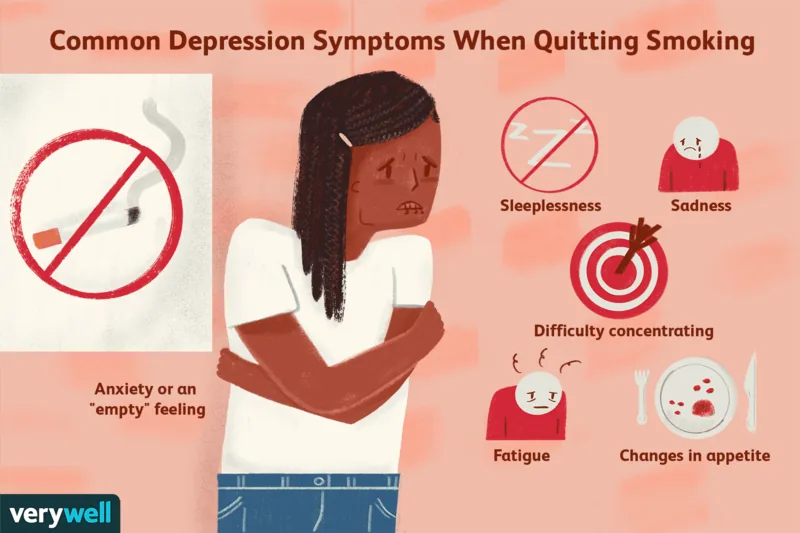
Moreover, internalized homophobia significantly increases the likelihood of suffering from serious mental health conditions. It is strongly linked to heightened levels of depression and anxiety, as individuals grapple with internal conflict and self-criticism (Canadian Mental Health Journal, 2003). The emotional toll can also lead to more severe outcomes, including an increased risk of substance abuse and suicidal ideation (Singapore Health Institute, 2021). The constant pressure to conform or suppress one's true self creates an immense psychological burden that can be difficult to bear alone.
In essence, how internalized homophobia impacts an individual's daily life can be subtle yet deeply damaging, affecting everything from personal relationships to professional aspirations and overall life satisfaction.
Pathways to Healing and Self-Acceptance
While the consequences of internalized homophobia are severe, the encouraging news is that healing and growth are entirely possible. You don't have to remain trapped in a negative mindset. There are concrete steps one can take to cultivate a healthier, more loving relationship with their LGBTQIA+ identity.
Acknowledgment and Therapy
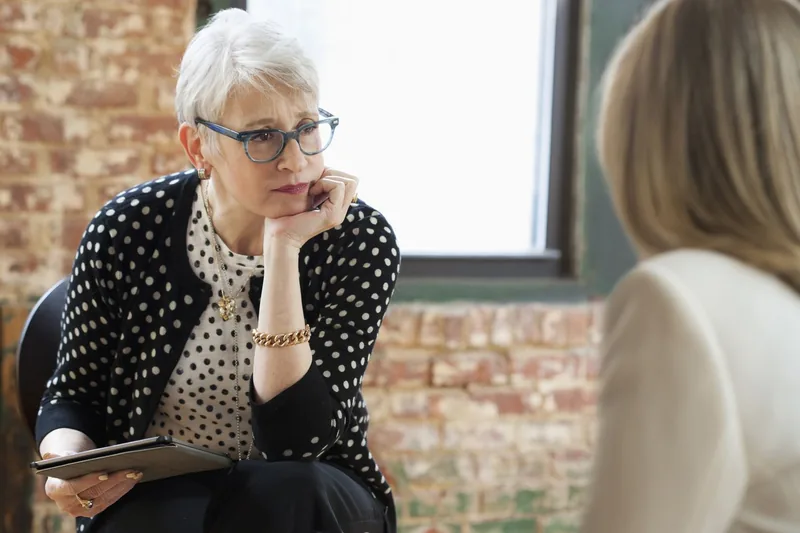
The first crucial step is acknowledging and recognizing the problem. Self-awareness is the foundation of change. Once acknowledged, seeking professional help is highly recommended. Engaging in LGBTQIA+-affirming therapy provides a safe and supportive space to explore and understand these internalized attitudes. A qualified therapist can gently challenge self-critical beliefs fueled by internalized homophobia, helping individuals reframe their thoughts and develop coping mechanisms.
Building Supportive Communities
No one thrives in isolation. Finding and building a supportive community is incredibly beneficial. Whether through friends, formal support groups, or online platforms, connecting with others who share similar experiences can foster a sense of belonging and validation. Seeing oneself reflected positively in others helps counteract feelings of loneliness and reinforces that one is not alone in their journey.
Embracing Queer History and Culture
Educating oneself about LGBTQIA+ histories and cultures can be a powerful antidote to internalized shame. Learning about the struggles, triumphs, and rich tapestry of queer experiences throughout history can foster a profound sense of pride and connection. Understanding the progress made over generations can provide perspective and empower individuals to appreciate their place within a resilient and vibrant community.
Mindful Media Consumption
The media you consume significantly influences your internal landscape. Actively seek out narratives--via books, movies, TV shows, and social media--that illustrate the many different, positive queer ways of being and thriving. Curating a media diet that includes diverse, affirming representation can help dismantle internalized stereotypes and foster a more positive self-image.
Cultivating Self-Compassion
Practicing self-compassion is fundamental to moving towards self-love and acceptance. This involves treating oneself with kindness, understanding, and forgiveness, especially during moments of perceived failure or inadequacy. Challenging negative self-beliefs and replacing them with affirming thoughts is a continuous process that builds resilience and a positive self-image over time.
Strategic Social Circles
Whenever possible, make conscious choices about who you surround yourself with. Prioritize relationships with people who genuinely support and validate you and your life choices. While this isn't always feasible, especially for younger individuals living in unsupportive environments, maximizing time with affirming individuals can significantly impact your mental and emotional well-being.
Engaging in Advocacy and Pride
Getting involved in the LGBTQIA+ community, whether virtually or in person, can deepen your sense of pride and belonging. This could range from engaging in advocacy or activism to simply attending a local Pride event. To discern what will help you feel good, reflect on what makes you feel most affirmed and excited about who you are. Then, creatively brainstorm ways to highlight and make more space for those parts of yourself in your day-to-day life.
The journey toward overcoming internalized homophobia and embracing self-acceptance is deeply personal and unique to each individual. Whatever steps enable you to feel more pride and less shame are the right steps for you to take right now. As time progresses and your attitudes shift, you might discover new pathways and strategies that resonate with you. This is a journey, not a destination; allow yourself the grace and space to evolve, always prioritizing your safety and well-being.
If you or someone you know is struggling with internalized homophobia or related mental health challenges, please remember that support is available. Reaching out is a sign of strength, and resources are designed to help you on your path to healing and self-acceptance.
- For young people seeking support, The Trevor Project offers vital services.
- Trans Lifeline specifically provides support for transgender individuals.
- The LGBT National Help Center offers online chat, telephone support, and virtual chatrooms for connection.