Ever feel like life is happening somewhere else? Like your mind is constantly replaying yesterday's mishaps or fast-forwarding to tomorrow's anxieties? You're not alone. Most of us spend significant time mentally adrift, missing the richness of the present moment. But there's a powerful shift waiting: learning how do you live fully in the now. It's not about ignoring planning or reflecting; it's about anchoring yourself in the here and now, cultivating a deeper appreciation for your experiences, and dramatically reducing feelings of stress, depression, and anxiety (Mayo Clinic, 2024). It's a skill, and like any skill, it can be learned.
Anchor Your Senses in the Now
Our senses are powerful gateways to the present. Yet, in our rush, we often shut them down. To truly grasp how do you live with more presence, start by actively engaging with your immediate environment. This isn't just about looking; it's about truly seeing, hearing, smelling, tasting, and feeling.
Think about it: when was the last time you stopped to simply observe? Try this: pause. Close your eyes, take a slow, deep breath, then open them and soak in every detail around you. Notice the textures on the wall, the play of light, the subtle sounds. This simple act can immediately ground you, pulling your focus away from internal chatter and into the vibrant reality of your surroundings.
This same principle applies to everyday activities. Consider your next meal. Instead of eating while scrolling through social media or watching TV, focus entirely on the food. How does it smell? What are the distinct flavors? What's the texture like? This mindful eating practice transforms a routine into an experience, making you more aware of your body's reactions and the simple pleasure of sustenance.
Another powerful sensory anchor is mindful walking. Instead of rushing from point A to point B, feel the ground beneath your feet. Notice the rhythm of your steps, the subtle sway of your body. What sounds are present - birds, distant traffic, the rustle of leaves? What scents drift on the air - freshly cut grass, rain, blooming flowers? This simple shift can make even a mundane stroll a profound exercise in presence.
Cultivate an Inner Landscape of Presence
Beyond our external senses, how do you live with an internal state of presence? It involves nurturing specific internal practices that quiet the mind and open the heart. These are not quick fixes, but consistent habits that rewire your internal experience.
One of the most profound tools is mindfulness meditation. This isn't about emptying your mind, but about observing your thoughts and feelings without judgment, gently returning your attention to the present moment, often through focusing on your breath. Even a few minutes daily can significantly increase your awareness and concentration, helping you spend more time in the present (Harvard Health, 2023).
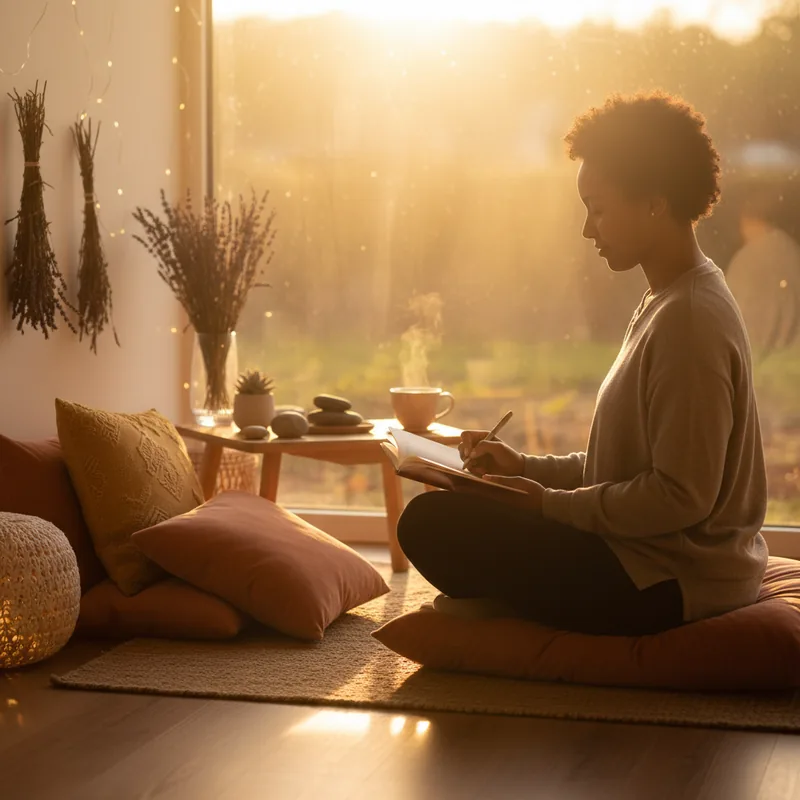
Gratitude is another cornerstone of present living. It's easy to get caught in a cycle of wanting more, constantly comparing your life to an idealized future or a romanticized past. But focusing on what you already possess shifts your perspective dramatically. Try keeping a gratitude journal, listing at least three things you're genuinely thankful for each day. This simple practice trains your mind to spot the good in the now, rather than dwelling on perceived lacks (Yale Study, 2023).
Then there's acceptance. This can be challenging, but it's crucial. Life rarely unfolds exactly as we plan. When you resist reality, you create suffering. Learning to accept things as they are - not as you wish them to be - frees up immense mental and emotional energy. It allows you to let go of what you can't control and focus on what you can, right here, right now.
Finally, consider the power of deep breathing. When stress or anxiety threatens to pull you into the future, a few slow, regulated breaths can be a lifeline. Techniques like the 4-7-8 breathing method can quickly calm your nervous system, bringing your focus back to your body and the immediate moment, preventing negative thoughts from taking over (Clinical Psychology Review, 2023).
Design Your Environment for Presence
Your surroundings and habits play a massive role in whether you feel present or perpetually distracted. Considering your external world, how do you live a life less tethered to digital demands and more connected to real-world interactions?
The ubiquitous presence of social media and technology is a major culprit in pulling us away from the present. Constantly checking notifications, scrolling feeds, or multi-tasking across several screens might feel like staying connected, but it often disconnects us from what's truly happening around us. Make conscious choices: put your phone away during meals, turn off notifications during important tasks, and actively engage with people when you're in company. Imagine the difference in a conversation if you're fully listening, rather than half-listening while planning your next tweet.
This brings us to single-tasking. Our culture glorifies multitasking, but research shows it makes it harder to stay present and can even impair long-term memory (Stanford Research, 2024). Instead of splitting your energy across three tasks, give one your undivided attention. Whether it's doing the dishes - feeling the warm water, hearing the clink of plates - or working on a project, immerse yourself fully. You'll likely find yourself more productive, and certainly more present.
Finally, embrace the power of positive social support. The people you surround yourself with significantly impact your mindset. Spending time with individuals who uplift you, who are genuinely present in their interactions, can contagiously boost your own positivity and focus. These connections help you celebrate the good things happening now, rather than dwelling on what's past or what might be.
Don't underestimate the impact of physical activity. Regular exercise, whether it's a brisk walk in the park or a dedicated yoga session, helps you connect with your body and its sensations. Yoga, in particular, with its emphasis on breath and movement, is an excellent practice for cultivating present-moment awareness, especially when combined with mindfulness (American Psychological Association, 2024).
Your Path to a Present Life
Learning how do you live more in the moment isn't about reaching a destination; it's a continuous journey of intentional choices. It's about recognizing when your mind drifts and gently guiding it back. It's about savoring the small joys, accepting the inevitable challenges, and engaging fully with the richness of each passing second.
The benefits are profound: a deeper appreciation for your life, stronger relationships, reduced stress, and a greater sense of calm and contentment. Start small. Pick one strategy, like mindful breathing or noticing your surroundings, and commit to practicing it daily. Over time, these small shifts will weave together, transforming your everyday experience into a life lived with vibrant presence.