In an era defined by rapid consumption and fleeting digital interactions, our engagement with the world often feels superficial. We scroll, swipe, and glance, moving from one impression to the next with remarkable speed. This pervasive haste extends even to our encounters with art, where most museum visitors spend mere seconds before moving on. But what truly happens when we are more present with artworks? The answer is profound: **how slow-looking changes our** experience, transforming quick impressions into deep, meaningful engagements that enrich our understanding and emotional landscape.
The Paradox of Modern Engagement
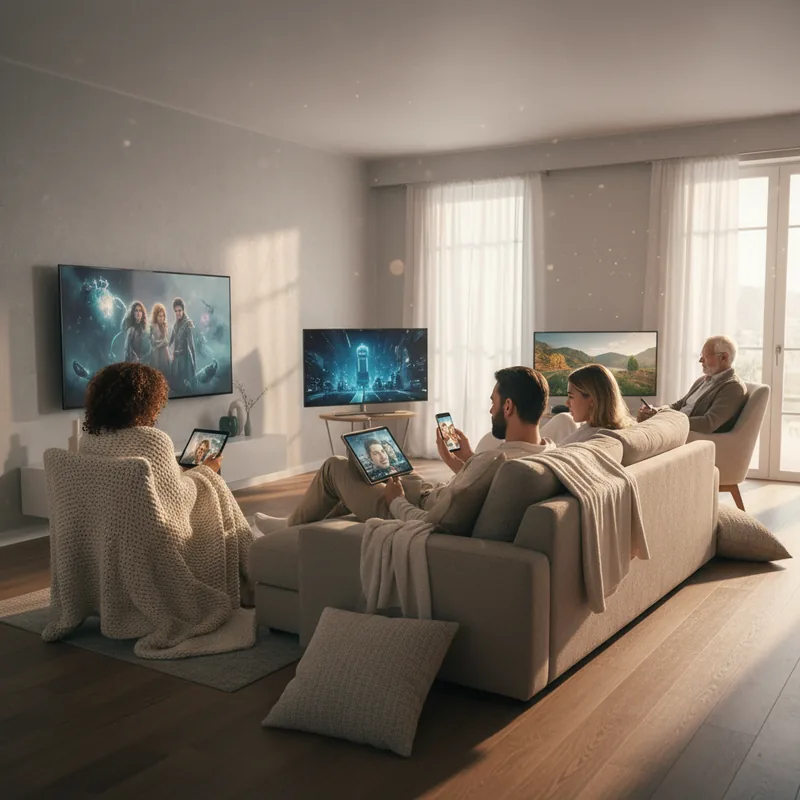
The contemporary world rewards speed and efficiency. From breaking news alerts to social media feeds, we are conditioned to process information at an accelerating pace. This 'attention economy' often leaves little room for sustained focus, impacting everything from our personal relationships to our appreciation of culture. When confronted with a masterpiece, our instinct might be to quickly absorb its basic information, snap a photo, and move to the next item on our mental checklist.
Yet, true aesthetic experience is rarely instantaneous. It's a journey of perception, emotion, and interpretation that unfolds over time. Recognizing this, researchers at Philadelphia's Penn Museum embarked on a study to test the hypothesis that intentionally slowing down how people look at art fundamentally alters their engagement (Estrada Gonzalez, et al., 2025). The findings, while perhaps not surprising in their premise, revealed a subtle yet powerful transformation in the nature of aesthetic encounters.
Unveiling Deeper Dimensions of Art
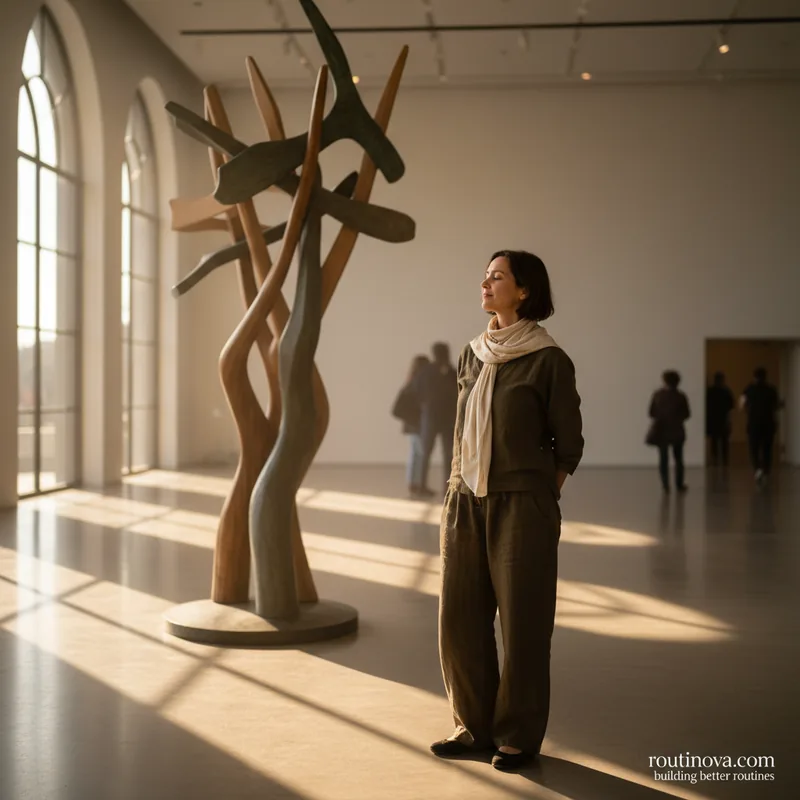
The Penn Museum study involved two groups of visitors. One group explored culturally rich artifacts from African and Native American galleries without any guidance, mimicking typical museum behavior. The other participated in a structured 15-minute slow-looking exercise. This guided experience prompted viewers to first attend to sensory features, then to their emotional responses, and finally to deeper questions of meaning--the object's origin, symbolism, and personal resonance (Stanford, 2025).
The results offered a fascinating insight: while 'liking' for an object didn't significantly change between groups, the perception of its 'beauty' did. Liking is often a quick, superficial preference, but beauty is a more complex appraisal, enriched by conscious attention and the integration of form, feeling, and understanding. This distinction highlights **how slow-looking changes our** capacity to appreciate art beyond immediate appeal, allowing deeper layers of response to accumulate and reveal profound aesthetic value.
Beyond beauty, participants in the slow-looking group reported significantly more compassion, enrapturement, and edification. Compassion emerged from connecting with the object's cultural and historical context, transcending time and distance. Enrapturement signified a deep absorption, a feeling of being utterly held by the experience. Edification pointed towards genuine learning and personal growth. Importantly, this extended engagement did not increase negative emotions; instead, it offered a pathway to greater self-understanding.
Consider a complex abstract painting like a Mark Rothko, a highly detailed medieval tapestry, or a thought-provoking conceptual art installation. These works rarely yield their full impact on a quick glance. A Rothko, for instance, requires time for its color fields to resonate and evoke emotion. A tapestry demands close observation to uncover its intricate narratives and symbolism. Conceptual art often challenges immediate interpretation, necessitating sustained thought and emotional engagement to unlock its deeper meaning. These are prime examples of artworks where **how slow-looking changes our** experience from passive viewing to an active, enriching dialogue.
Cultivating Presence Beyond the Gallery
The implications of these findings extend far beyond museum walls. They suggest a powerful counter-narrative to our culture's relentless pursuit of speed. Many of life's most valuable experiences--understanding another person, grappling with complex ideas, or simply appreciating the natural world--unfold slowly. They resist being rushed. Adopting a 'slow-looking' approach, even in everyday life, can profoundly alter the quality of our experiences (Harvard, 2024).
Imagine applying this principle to a challenging work project: instead of rushing to a solution, taking time to deeply analyze the problem, consider multiple perspectives, and allow insights to emerge. Or in a personal conversation: truly listening without formulating a response, allowing for deeper empathy and connection. This practice isn't about adding more content to our lives, but about creating space for what's already there to be fully realized. It demonstrates **how slow-looking changes our** ability to be present, fostering greater insight, emotional intelligence, and a richer engagement with the world around us.
Ultimately, the art of slow-looking is an invitation to reclaim our attention. It's a reminder that depth often requires deliberation, and that by consciously adjusting the tempo of our engagement, we can unlock profound beauty, foster genuine connection, and cultivate a more meaningful existence, one thoughtful moment at a time.