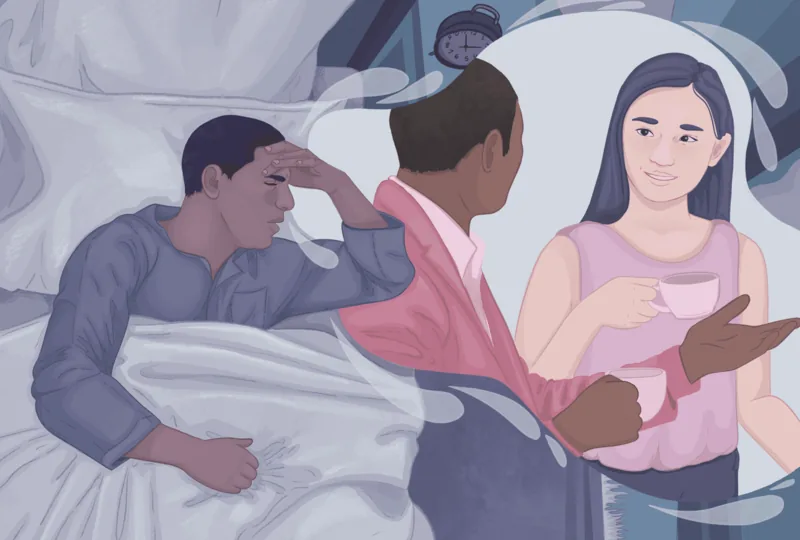
When Alex first started experiencing intense mood swings, impulsive behaviors, and unstable relationships, they felt lost and overwhelmed. The rollercoaster of emotions was exhausting, and daily life became a struggle. It was only after a friend suggested exploring Borderline Personality Disorder (BPD) that Alex considered seeking a formal assessment. The prospect felt daunting, filled with unknowns. But understanding what to expect during this crucial process can transform apprehension into empowerment, paving the way for accurate diagnosis and effective treatment.
Understanding Your BPD Assessment Journey
Borderline Personality Disorder is characterized by a pervasive pattern of instability in interpersonal relationships, self-image, and emotions, alongside marked impulsivity, typically beginning in early adulthood (American Psychiatric Association, 2013). Its symptoms, however, often overlap significantly with other mental health conditions like anxiety disorders, depression, and bipolar disorder. This overlap can make an accurate diagnosis challenging but is absolutely vital for tailoring the right treatment plan. Knowing what to expect during a BPD assessment helps demystify the process and prepares you for the steps involved.
The journey toward a BPD diagnosis is not a single event but a comprehensive evaluation designed to understand your unique experiences. It involves several key stages, from identifying a qualified professional to undergoing detailed interviews and finally receiving a diagnosis. Each step is designed to gather a complete picture, ensuring that the diagnosis is both accurate and reflective of your lived reality, setting the foundation for meaningful recovery and improved quality of life (National Institute of Mental Health, 2022).
Finding the Right Professional for Your Evaluation
The first and often most critical step in seeking a BPD diagnosis is finding a mental health professional who is not only qualified but also experienced in assessing and treating personality disorders. Look for practitioners with expertise in BPD and, ideally, training in Dialectical Behavior Therapy (DBT), a highly effective treatment modality for the condition. Qualified professionals who can conduct BPD assessments include clinical psychologists, psychiatrists, licensed clinical social workers, and psychiatric nurse practitioners.
When selecting a professional, don't hesitate to ask questions. Consider inquiring about their experience with BPD, their therapeutic approach, and their certification or specialized training. Many therapists offer brief, free phone consultations, which are excellent opportunities to gauge your comfort level and discuss initial concerns. For instance, after several calls, Sarah found a therapist whose calm demeanor and specific experience with personality disorders immediately put her at ease, making her feel confident about moving forward with the assessment.
If you have health insurance, contact your provider for a list of in-network professionals specializing in BPD. For those without insurance, state or regional mental health departments often offer resources and programs that can help you access affordable or free services. The goal is to find a professional you trust, someone with whom you can openly share your experiences to ensure the most accurate evaluation possible.
What to Expect During the Evaluation Process
Once you've chosen a professional, the assessment itself will begin. It's natural to feel apprehensive or nervous, especially if this is your first time undergoing a psychological evaluation. However, remember that honesty and openness are your greatest assets throughout this period. The more candid you are about your symptoms, history, and current life situation, the clearer and more accurate your diagnosis will be.
The BPD assessment typically involves one or more sessions and can include a combination of structured interviews and psychological tests. Your therapist will delve into various aspects of your life, asking questions about your current and past symptoms, family history, work and academic background, and relationship patterns. For example, Mark initially felt guarded when asked about past conflicts, but as he spoke, he realized the therapist's non-judgmental approach allowed him to share deeply, leading to a much richer understanding of his struggles.
You might also be asked to complete questionnaires or self-report measures. These tools help gather standardized information about your symptoms and experiences, providing additional data points for the clinician to consider. Understanding what to expect during these interviews and tests can help you prepare mentally, allowing you to focus on providing thorough and truthful responses.
Receiving Your Diagnosis and Planning Next Steps
After the assessment is complete, you will typically receive a diagnosis relatively soon. In some cases, if the therapist requires more information or needs to rule out other complex conditions, they might refer you to a specialist or your primary care physician for further evaluation or a second opinion. This ensures a comprehensive understanding of your mental and physical health, particularly if co-occurring conditions like anxiety, depression, or substance use are suspected (Mayo Clinic, 2023).
More often, however, your therapist will discuss their diagnostic findings with you directly. This conversation is a critical opportunity to ask questions, understand the implications of the diagnosis, and explore potential treatment options. Your therapist will outline a personalized treatment plan, which may include specific therapies like DBT, medication management, or a combination of approaches. For instance, Emily felt a mix of relief and apprehension upon receiving her BPD diagnosis, but the clear, actionable treatment plan her therapist presented, including a referral to a DBT group, empowered her to take the first steps toward managing her symptoms.
Receiving a diagnosis of Borderline Personality Disorder is a significant moment, marking the beginning of a clearer path toward understanding and managing your mental health. While the assessment process itself might feel intense, it is a crucial step toward finding the right support and tools for a more stable and fulfilling life. Knowing what to expect during this journey can transform an intimidating process into a hopeful beginning.