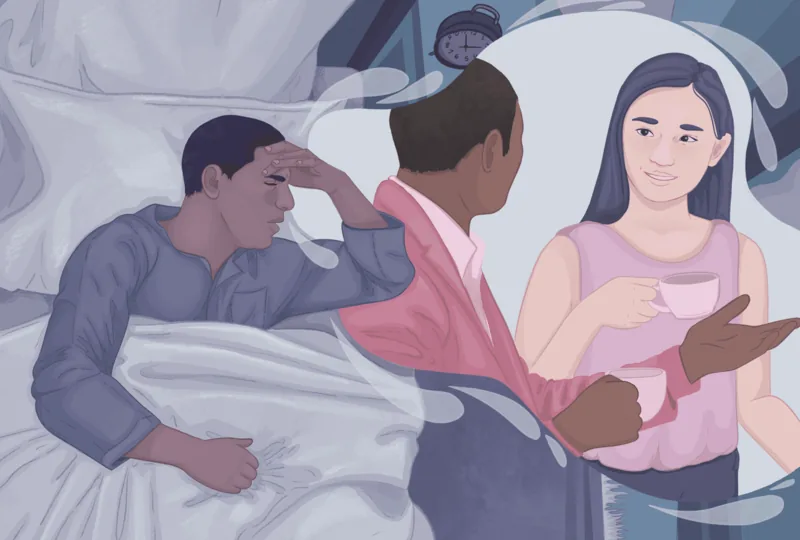
Have you ever considered the profound impact of your brain's intricate chemistry on your daily mood, focus, and overall well-being? For many, navigating the complexities of mental health involves understanding the role of psychotropic medications. Before embarking on such a journey, it's crucial to grasp what you should know about these powerful tools. Psychotropic drugs are designed to alter mood, perception, and behavior, serving as vital components in managing conditions like anxiety, depression, bipolar disorder, and even enhancing productivity by stabilizing mental states (Routinova Insights, 2024). When used in conjunction with psychotherapy and under expert guidance, they can significantly improve quality of life and help individuals thrive, allowing them to engage more fully with their personal and professional lives.
Understanding Psychotropic Medications: A Foundation for Wellness
Psychotropic medications represent a sophisticated class of drugs specifically formulated to influence the mind, affecting how you feel, think, and behave. They are not a standalone solution but rather a powerful adjunct to therapeutic interventions, helping to manage severe symptoms that might otherwise impede progress in talk therapy or daily functioning. By bringing challenging symptoms such as intense mood swings, explosive anger, or hallucinatory experiences under better control, these medications create a more stable foundation, allowing individuals to focus on developing essential coping mechanisms, improving interpersonal relationships, and engaging more effectively with their life goals (American Psychiatric Association, 2024).
The core mechanism of action for psychotropic drugs involves modulating the balance of crucial neurotransmitters within the brain. These chemical messengers, including serotonin, dopamine, and gamma-aminobutyric acid (GABA), are responsible for carrying signals between neurons. They play a pivotal role in regulating a vast array of brain functions, from mood and concentration to perception, motivation, and sleep cycles. Different psychotropic drugs target specific neurotransmitter systems or receptors, aiming to correct imbalances believed to contribute to various mental health conditions. This targeted approach helps restore a more functional chemical equilibrium, leading to symptom reduction (Harvard Medical School, 2023).
The prevalence of these medications underscores their importance in contemporary healthcare. Data from a recent national health survey indicated that approximately 20% of adults reported taking psychotropic drugs, highlighting their widespread integration into mental health treatment plans across diverse populations (National Health Survey, 2020). This statistic reflects a growing recognition of mental health challenges and the evolving strategies to address them effectively, moving beyond stigma towards comprehensive care that often includes medication as a vital component of a holistic treatment plan.
Exploring Types of Psychotropic Drugs: What's Right for You?
The landscape of psychotropic medications is incredibly diverse, with various classes tailored to address specific mental health conditions and their unique symptom profiles. Understanding what you should know about the various classes of psychotropic medications is the first step in an informed discussion with your healthcare provider. Your doctor will meticulously consider your diagnosis, the severity and nature of your symptoms, your individual health profile, and potential interactions with other medications to determine the most appropriate treatment strategy.
Antidepressants
Antidepressants are primarily prescribed to alleviate symptoms of major depressive disorder, but their utility extends to treating various anxiety disorders, chronic pain conditions, and obsessive-compulsive disorder (OCD). They work by influencing neurotransmitters like serotonin, norepinephrine, and sometimes dopamine, aiming to improve mood, reduce feelings of hopelessness, and restore interest in daily activities. Key categories include:
- Selective Serotonin Reuptake Inhibitors (SSRIs): Often a first-line treatment due to their generally favorable side effect profile, examples include Celexa (citalopram), Lexapro (escitalopram), Prozac (fluoxetine), and Zoloft (sertraline). They primarily increase serotonin availability in the brain.
- Serotonin and Norepinephrine Reuptake Inhibitors (SNRIs): These medications, such as Cymbalta (duloxetine) and Effexor (venlafaxine), affect both serotonin and norepinephrine levels, often proving effective for individuals who don't respond fully to SSRIs or who experience co-occurring pain conditions.
- Tricyclic Antidepressants (TCAs): Older but still highly effective, TCAs like Elavil (amitriptyline) and Tofranil (imipramine) are sometimes used when newer antidepressants are insufficient, though they typically have a broader range of side effects.
- Monoamine Oxidase Inhibitors (MAOIs): Powerful antidepressants such as Nardil (phenelzine) and Parnate (tranylcypromine) are reserved for treatment-resistant depression due to significant dietary restrictions and potential drug interactions.
- Atypical Antidepressants: This varied group includes medications like Wellbutrin (bupropion), which also aids with smoking cessation, and Remeron (mirtazapine), known for its sedative properties, offering unique mechanisms of action (Mayo Clinic, 2023).
While generally well-tolerated, common side effects can include gastrointestinal upset (nausea, diarrhea), headaches, drowsiness, and sexual dysfunction. These often subside after the initial weeks of treatment, but it's important to discuss persistent or bothersome effects with your doctor. More serious, though rare, side effects can involve suicidal ideation, overdose, or serotonin syndrome, a potentially dangerous condition caused by excessive serotonin levels.
Antipsychotics
Antipsychotics are crucial for managing symptoms of psychosis, which can manifest as hallucinations, delusions, and disorganized thought patterns often associated with conditions like schizophrenia, bipolar disorder, and severe depression with psychotic features. These medications work by blocking dopamine receptors in the brain, and in the case of atypical antipsychotics, also affecting serotonin pathways.
- Atypical Antipsychotics: Developed in the 1990s, these generally carry a lower risk of severe motor side effects compared to their predecessors. Examples include Abilify (aripiprazole), Clozaril (clozapine), Risperdal (risperidone), Seroquel (quetiapine), and Zyprexa (olanzapine). They are often preferred for their broader action on both positive and negative symptoms of psychosis.
- Typical Antipsychotics: Older medications like Haldol (haloperidol) and Thorazine (chlorpromazine) are still used, particularly if atypical options are ineffective or for specific symptom profiles. While effective, they carry a higher risk of extrapyramidal side effects, such as tremors and muscle stiffness (National Institute of Mental Health, 2024).
Side effects can range from mild issues like dry mouth and sedation to more significant concerns like weight gain, metabolic changes, and, in some cases, tardive dyskinesia (involuntary movements, especially of the face and limbs). Serious side effects, though rare, can include inflammation of the heart (myocarditis) or extremely low white blood cell counts (agranulocytosis), necessitating close and regular monitoring by a healthcare professional.
Anxiolytics (Anti-Anxiety Medications)
Anxiolytics are prescribed to reduce anxiety and promote calmness, helping individuals manage panic attacks, generalized anxiety, and social phobias. They operate through various mechanisms to dampen overactive neural pathways:
- Benzodiazepines: Such as Xanax (alprazolam), Klonopin (clonazepam), and Valium (diazepam), enhance the effects of GABA, a calming neurotransmitter, leading to rapid anxiety reduction. These are typically prescribed for short-term use due to their potential for dependence and withdrawal symptoms.
- Beta-Blockers: Commonly used for heart conditions, medications like propranolol can also help manage the physical symptoms of anxiety, such as a racing heart, sweating, or tremors, particularly in performance anxiety or stage fright, without affecting mental alertness (World Health Organization, 2023).
- Barbiturates: Stronger sedatives like phenobarbital, historically used for seizures and severe insomnia, are less common now due to higher risks of overdose and dependence compared to newer, safer alternatives.
It is important to note that certain anxiolytics, particularly benzodiazepines and barbiturates, carry a significant risk of addiction. Healthcare providers usually prescribe them for limited durations and with strict monitoring. Cessation should always be managed under medical supervision to prevent dangerous and potentially life-threatening withdrawal symptoms.
Hypnotics (Sleep Aids)
This class of medication is specifically designed to induce and prolong sleep, addressing insomnia and other sleep disturbances that can severely impact daily functioning and productivity. It encompasses a range of drugs, including some barbiturates, benzodiazepines, and non-benzodiazepine receptor agonists like Ambien (zolpidem) and Lunesta (eszopiclone). Melatonin receptor agonists, certain antihistamines, and even some antidepressants can also be utilized for their sedative properties to help regulate sleep cycles (Sleep Foundation, 2023). The goal is to restore healthy sleep patterns, which are fundamental to mental and physical well-being.
Mood Stabilizers
Mood stabilizers are fundamental in treating conditions characterized by extreme mood swings, most notably bipolar disorder, but also schizoaffective disorder and borderline personality disorder. They work by regulating brain chemistry to prevent the debilitating highs of mania and the profound lows of depression, fostering greater emotional stability. Common examples include lithium, which is a classic mood stabilizer, as well as certain antipsychotics like Seroquel (quetiapine), Latuda (lurasidone), and Zyprexa (olanzapine), which also possess potent mood-stabilizing properties (Psychiatric Times, 2022). These medications allow individuals to maintain a more consistent emotional baseline, improving their ability to manage daily life.
Stimulants
Prescription stimulants are primarily used to treat attention-deficit hyperactivity disorder (ADHD) and narcolepsy, conditions characterized by difficulties with attention, hyperactivity, impulsivity, or excessive daytime sleepiness. They work by increasing the activity of dopamine and norepinephrine in the brain, which can significantly improve focus, attention, and alertness. Common medications include Ritalin (methylphenidate), Adderall (dextroamphetamine-amphetamine), and Dexedrine (dextroamphetamine). While highly effective for their intended purposes, stimulants carry a significant potential for misuse and addiction, especially with prolonged high-dose use or in individuals with a history of substance use disorders (FDA, 2023). Careful dosing and monitoring are essential to maximize benefits while minimizing risks.
Navigating Side Effects and Risks: What to Expect
Like all medications, psychotropic drugs come with a spectrum of potential side effects, varying in intensity and prevalence among individuals. It is paramount to understand what you should know about these potential risks and to maintain open communication with your healthcare provider. Common side effects across different classes of psychotropics can significantly impact daily life and may include:
- Cardiac issues: Such as changes in heart rate or rhythm, which necessitate regular cardiovascular monitoring, especially for individuals with pre-existing heart conditions.
- Changes in appetite and subsequent weight fluctuations: Some medications can increase appetite, leading to weight gain, while others may cause appetite suppression, impacting nutritional intake.
- Dizziness or lightheadedness: These can impair balance and coordination, making activities like driving or operating machinery hazardous.
- Drowsiness or sedation: Often experienced early in treatment, this can affect concentration and energy levels, potentially impacting work or study.
- Persistent fatigue: A general feeling of tiredness that can interfere with daily routines and motivation.
- Sexual side effects: Including decreased libido, difficulty achieving orgasm, or erectile dysfunction, which can significantly impact quality of life and relationships.
- Sleep disturbances: Ranging from insomnia to excessive sleepiness, requiring careful timing of medication doses.
Beyond physical symptoms, psychotropics can sometimes impact emotional expression. For instance, some individuals report feeling emotionally "flat," experiencing an inability to cry when sad, or a general blunting of emotions, making them feel detached from themselves or their experiences. If you find yourself feeling "not like yourself," experiencing emotions that feel artificial or muted, or struggling to connect with your feelings, it is crucial to discuss these changes with your healthcare provider. They can assess if an adjustment in medication, dosage, or an alternative treatment strategy is necessary to restore a more authentic emotional experience.
Critical Black Box Warnings
The U.S. Food and Drug Administration (FDA) issues "black box warnings" for medications that carry significant, potentially life-threatening risks. These are the strongest warnings the FDA requires and are designed to draw attention to serious or fatal adverse reactions. For psychotropic drugs, several such warnings exist, making it vital for patients and providers to be aware:
- Benzodiazepines: Carry a black box warning due to risks of abuse, addiction, and severe withdrawal symptoms, especially when combined with opioid medications. This combination can lead to profound sedation, respiratory depression, coma, and death (FDA, 2020).
- Antipsychotics: An increased risk of death has been observed in older people with dementia-related psychosis. These medications are generally contraindicated for this specific population due to heightened risks of cardiovascular events and infections.
- Antidepressants: All antidepressants carry a black box warning for an increased risk of suicidal thoughts and behaviors in young people under the age of 25, particularly during the initial stages of treatment or dosage adjustments. Close monitoring by family members and healthcare providers is essential during this vulnerable period.
- Prescription Stimulants: These medications have a boxed warning concerning the risks of misuse, abuse, addiction, and overdose. This risk is higher in individuals with a history of substance abuse, and careful screening and monitoring are necessary (FDA, 2022).
Close monitoring of thoughts, behaviors, and mood changes is essential, particularly when initiating antidepressant treatment or adjusting dosages. If you or a loved one experience worsening depressive symptoms, new or increased anxiety, agitation, panic attacks, insomnia, irritability, hostility, aggressiveness, impulsivity, or suicidal ideation, immediate professional help is critical. Resources are available through national mental health helplines, crisis hotlines, and emergency services, and reaching out promptly can save lives.
Making Informed Choices: Your Path to Mental Health
Embarking on a journey with psychotropic medications is a significant decision that requires careful consideration and ongoing collaboration with your healthcare team. Understanding the nuances of these treatments empowers you to be an active participant in your mental wellness, advocating for your needs and preferences. This collaborative approach is fundamental to what you should know about managing your mental health effectively and achieving sustainable well-being.
One common misconception is that psychotropic drugs offer instant relief. In reality, many of these medications, particularly antidepressants and mood stabilizers, may take several weeks or even months to reach their full therapeutic effect. While some side effects might manifest quickly, the beneficial changes in mood, thought patterns, or behavior often require patience and consistent adherence to the prescribed regimen. For example, imagine a student struggling with ADHD who finds that a carefully managed stimulant prescription allows them to focus in lectures and excel academically, transforming their educational experience not overnight, but gradually over weeks of consistent use, leading to improved grades and self-confidence (University Health Services, 2023).
Another crucial aspect is the potential for habit formation and dependence. As discussed, certain medications like stimulants and some anti-anxiety drugs can be addictive. This is why healthcare providers typically prescribe them for short-term use, at the lowest effective dose, or with strict monitoring and regular re-evaluation. It is imperative never to discontinue a psychotropic medication on your own. Abrupt cessation can lead to dangerous and uncomfortable withdrawal symptoms, a severe relapse of the original condition, or even new mental health challenges. Your physician will guide you through a safe titration process, gradually reducing your dosage over time to minimize discomfort and risk, ensuring a smooth transition off the medication if it's no longer needed.
Consider an individual battling severe social anxiety who, with the right anxiolytic and concurrent therapy, can attend social events or job interviews without debilitating panic, opening up new life opportunities and fostering personal growth. This transformation is often a result of careful dosage adjustments, consistent medical oversight, and a commitment to therapy, not a one-time fix (Mental Health Foundation, 2024). Similarly, a parent managing bipolar disorder might find that mood stabilizers enable them to maintain consistent emotional presence for their children, fostering a more stable home environment and improving family dynamics over time, allowing for more engaged parenting and a higher quality of family life (Family Wellness Institute, 2023).
Your mental health journey is deeply personal, and the decision to use psychotropic medication should be made thoughtfully, in partnership with trusted medical professionals. This involves asking questions about potential benefits, risks, alternatives, and what to expect throughout the treatment process. Be open about your medical history, lifestyle, and any concerns you may have. Ultimately, empowering yourself with what you should know about psychotropic drugs means embracing a proactive and informed approach to your mental health. With the right support and comprehensive information, you can make choices that lead to a more balanced, productive, and fulfilling life.