You've probably heard the advice: check yourself for ticks after spending time outdoors. But with tick populations on the rise and diseases like Lyme becoming more prevalent, are you *really* doing it right? Chances are, you're making some common mistakes that could leave you vulnerable. Understanding these slip-ups is the first step to a truly effective tick check, protecting your health and peace of mind.
Ticks Are Everywhere, Not Just the Woods
When you think of tick territory, your mind likely conjures images of dense forests or sprawling campgrounds. And while those are indeed prime tick habitats, it's a dangerous misconception to believe ticks are confined to wilderness areas. Most regions in the United States harbor at least one species of tick, and they thrive in more than just deep woods. Grassy fields, overgrown backyards, local parks, and even the edges of walking paths can be tick hotspots (CDC, 2023).
Growing up, I always associated tick bites with hiking deep into the woods. Now, living in a suburban area, I know better. Ticks are frequently found in my own backyard, lurking in tall grass and leaf litter. It’s crucial to broaden your definition of a “risky” outdoor space. Dog ticks, for instance, are remarkably widespread. Knowing the types of ticks common in your specific area—perhaps the Rocky Mountain tick out west or the lone star tick in the East—and where they tend to reside is a vital part of prevention (CDC, 2023).
This realization means that a thorough tick check shouldn't be reserved solely for camping trips. Make it a habit after any outdoor activity, whether it's gardening, a picnic in the park, or a simple stroll on a nature trail. And don't forget to extend this vigilance to children and pets, who are often less aware of their surroundings and more susceptible to tick encounters.
Skipping the Shower Is a Missed Opportunity
Think of a tick check as an independent task, and it's easy to forget. But what if you could integrate it seamlessly into your routine? Tying your tick check to a post-outdoor shower offers a powerful two-pronged benefit. As you undress, you have a natural moment to conduct a preliminary scan. More importantly, the shower itself can help wash away any unattached ticks before they find a place to burrow into your skin.
The science backs this up: showering within two hours of returning indoors has been shown to reduce the risk of Lyme disease and potentially other tick-borne illnesses. Why? Ticks often crawl around for a period before attaching. This means many potential hitchhikers can be dislodged and rinsed away down the drain, even if your initial check was less than perfect (CDC, 2023). It’s a simple yet effective layer of defense.
Beyond tick removal, this habit offers another bonus. You can wash off irritating plant oils, like those from poison ivy, before they trigger a rash. For me, a trail run isn't complete without that refreshing shower afterward. It's a moment to clean off, yes, but more crucially, it’s when the real tick inspection begins in earnest. Getting naked isn't just about hygiene; it's about thoroughness.
Missing Critical Areas of Your Body
Where do you usually check for ticks? If you’re like many, you probably focus on your lower legs and arms. This makes sense, as ticks often start their journey from the ground up. They tend to cling to vegetation at lower levels, waiting for a passing host, rather than dropping from trees (a common myth). So, yes, pay close attention to your ankles, shins, and knees first – these are often the initial contact points.
However, over time, ticks will crawl upwards, seeking more favorable spots to feed. This is where many tick checks fall short. If you've been outdoors for an extended period, ticks can migrate to surprisingly hard-to-reach places. Don't overlook these often-missed zones:
- The backs of your knees
- The groin area (a mirror is your best friend here!)
- Inside your belly button
- Your armpits
- Behind your ears
- Your scalp and throughout your hair
These are the places where a tick can remain hidden and undisturbed for hours, or even days. Using a hand mirror can be incredibly helpful for spots like your back or between your legs. If you have children, incorporate these checks into their bath time routine or when changing their clothes. It’s these diligent, comprehensive checks that make a significant difference.
Not Knowing What You're Looking For
One of the most common mistakes people make is simply not recognizing a tick when they see one. Ticks aren't static; they go through several life stages, and their size can vary dramatically. The smallest nymphs might be as tiny as a poppy seed, nearly invisible to the naked eye. Adult ticks range from about the size of a sesame seed to a small lentil, and can swell significantly after feeding (University of Rhode Island, 2022).
Before they attach, ticks are active crawlers. You might easily mistake a tick for a small speck of dirt, a flea, or another tiny insect. Here’s a key identifier: ticks are arachnids and have eight legs, unlike insects which typically have six. Keep this in mind as you scan your skin.
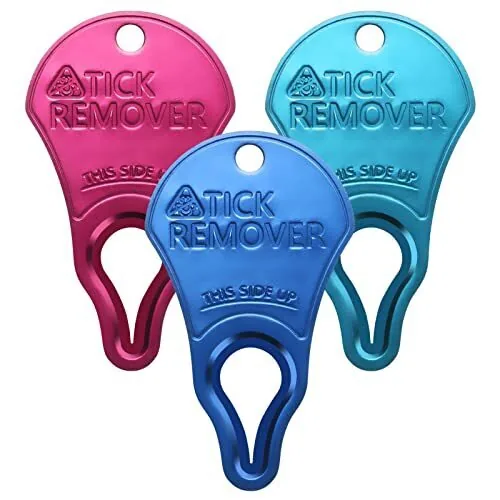
Even if you miss a crawling tick, you might find one that has already attached itself. Sometimes, it looks like a tiny scab or a small bump. If you notice something unusual, take a closer look. If it has legs, it's a tick, and it needs to be removed correctly. This is where having the right tools, like fine-tipped tweezers or a specialized tick removal device like a TickKey, becomes essential.
What about ticks that have finished feeding? Once engorged, they detach and fall off. You might find one in your pet's bed, appearing like a small, grayish kernel. While an unattached tick in your home isn't usually an immediate health threat, it's wise to launder any clothing or bedding that might have come into contact with it in hot water and dry on high heat. This ensures no stragglers remain.
Not Having a Plan for Tick Removal
Finding a tick crawling on your skin is one thing – a quick flick or brush-off might suffice. But discovering an embedded tick requires a specific approach. Many well-intentioned methods, like using heat, petroleum jelly, or nail polish remover, are not only ineffective but can actually be harmful. These tactics can stress the tick, causing it to regurgitate its stomach contents into your bloodstream, significantly increasing the risk of disease transmission (Mayo Clinic, 2023).
The correct method is simple and direct: use fine-tipped tweezers or a specialized tick removal tool. Grasp the tick as close to the skin's surface as possible and pull upward with steady, even pressure. Avoid twisting or jerking, which can cause the mouthparts to break off and remain in the skin. The goal is to remove the entire tick, head and all.
Having a plan means having the right tools readily available. Keeping a tick removal tool in your first-aid kit, your car, and even a small one in your wallet or travel bag ensures you're prepared. Knowing the proper removal technique before you need it can prevent a minor annoyance from becoming a serious health concern. It’s about being prepared, not panicked, when you encounter these tiny unwelcome guests.