If you’ve recently been prescribed Klonopin for anxiety, it’s essential to grasp how this medication functions, its potential benefits, and the critical precautions involved. Klonopin, generically known as clonazepam, is a benzodiazepine that can offer rapid relief from severe anxiety symptoms, including those associated with panic disorder and certain social anxiety situations. However, due to its potential for dependence and side effects, understanding its proper use, interactions, and disposal is paramount for your safety and well-being. This comprehensive guide will equip you with the knowledge needed to manage your Klonopin prescription effectively.
1. Understanding Klonopin’s Mechanism for Anxiety Relief
Klonopin (clonazepam) is a powerful benzodiazepine medication primarily recognized for its ability to calm overactive brain signals, thereby reducing feelings of anxiousness. This class of drugs operates by enhancing the effects of gamma-aminobutyric acid (GABA), a primary inhibitory neurotransmitter in the brain (Harvard, 2024). When Klonopin binds to GABA receptors, it essentially slows down electrical activity, leading to a profound calming effect on the central nervous system. This rapid action makes Klonopin a valuable tool for acute anxiety management.
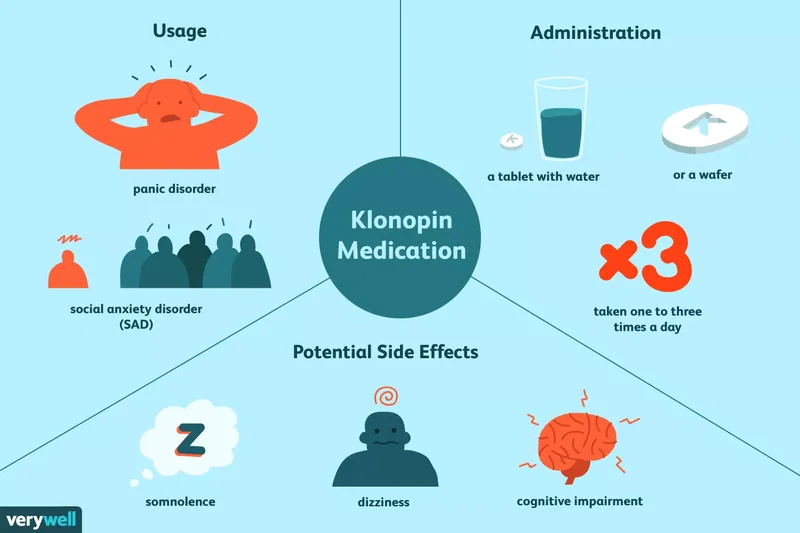
While its precise mechanism for panic reduction isn’t fully understood, the general consensus points to its GABAergic activity. For individuals prescribed Klonopin for anxiety, particularly social anxiety disorder (SAD), it often serves as a second-line treatment or an adjunct to antidepressants like selective serotonin reuptake inhibitors (SSRIs). For instance, if an SSRI alone hasn’t sufficiently controlled symptoms, Klonopin may be added to the regimen (Harvard, 2024). Its fast-acting nature means it can be taken “as needed” for specific high-anxiety situations, such as before a major public speaking engagement or a large social gathering. However, due to the risk of dependence, its use is typically recommended for short durations when managing anxiety symptoms. Understanding how Klonopin works empowers you to appreciate its role in your anxiety treatment plan.
2. Klonopin Dosage and Administration Guidelines
When you are prescribed Klonopin for anxiety, your healthcare provider will determine the most appropriate dosage, which is crucial for balancing effectiveness with minimizing risks. Klonopin is available in tablet form, including orally disintegrating versions, in strengths of 0.5 mg, 1 mg, and 2 mg. Generally, treatment begins with a low dose to assess your response and tolerance. If your anxiety symptoms are not adequately controlled at the initial dose, your doctor may gradually increase it. The goal is always to find the lowest effective dose for the shortest possible duration.
Because benzodiazepines, including Klonopin, carry a significant risk of physical dependence and habit formation, they are typically prescribed for short-term use (Harvard, 2024). This is especially true when using Klonopin for anxiety, where the aim is to provide relief during acute phases or specific high-stress events rather than as a long-term daily solution. Adhering strictly to your prescribed dosage and frequency is non-negotiable. Never alter your dose or stop taking Klonopin abruptly without consulting your doctor, even if you feel better or experience side effects. Sudden discontinuation can lead to severe withdrawal symptoms, which can be dangerous. Your physician will guide you through a tapering schedule if the medication needs to be discontinued, ensuring a safe and gradual reduction.
3. Key Considerations Before Taking Klonopin
Before initiating any treatment with Klonopin for anxiety, it is paramount to have an open and thorough discussion with your healthcare provider about your complete medical history. Certain conditions and circumstances can either contraindicate the use of Klonopin or necessitate significant precautions and close monitoring. This proactive approach ensures that the prescribed Klonopin for anxiety is suitable and safe for your individual health profile.
Klonopin is generally not recommended for individuals with a known sensitivity or allergy to benzodiazepines (such as Ativan, Xanax, or Valium), severe liver disease, or acute narrow-angle glaucoma. Furthermore, special caution is advised for those with respiratory diseases or other lung issues, as Klonopin can depress breathing. If you have a history of depression, suicidal thoughts, or behaviors, Klonopin can potentially worsen these symptoms, requiring vigilant monitoring. Pregnant or breastfeeding individuals, or those planning to become pregnant, must discuss the risks thoroughly, as Klonopin can affect the fetus or pass into breast milk (Harvard, 2024). Kidney issues, porphyria, and age (under 18 or over 64) also warrant careful consideration. Your doctor will weigh these factors to determine if Klonopin is the right choice for your anxiety management.
4. Navigating Klonopin Side Effects
Like all medications, Klonopin for anxiety can cause side effects, which range from common and mild to severe and potentially life-threatening. Understanding these potential reactions is crucial for anyone prescribed Klonopin for anxiety so you can recognize them and know when to seek medical advice. Most common side effects tend to occur early in treatment and often diminish as your body adjusts to the medication.
The most frequently reported adverse effects include dizziness, drowsiness, fatigue, feeling lightheaded, impaired coordination, and difficulty concentrating. These effects typically subside within a couple of weeks. If they persist or become bothersome, it is important to inform your healthcare provider, who may adjust your dosage or suggest an alternative treatment. During the initial period of taking Klonopin, it is wise to avoid activities requiring full mental alertness, such as driving or operating heavy machinery, until you understand how the medication affects you. Older individuals may be more susceptible to these side effects, including an increased risk of falls and cognitive impairment (Harvard, 2024). While less common, also report increased saliva, joint or muscle pain, frequent urination, blurry vision, or changes in sexual desire if they occur. Never stop Klonopin suddenly due to side effects; always consult your doctor first to avoid withdrawal.
5. Critical Warnings and Drug Interactions
Understanding the serious warnings and potential drug interactions associated with Klonopin is absolutely vital for anyone prescribed Klonopin for anxiety. Klonopin is classified as a controlled substance due to its significant potential for addiction, misuse, and dependence. This risk is amplified when Klonopin is combined with other substances, particularly alcohol or opioids, which can lead to severe respiratory depression, overdose, and even death. The FDA issued a black box warning for benzodiazepines in 2020, highlighting these critical risks, including dependence and withdrawal (Harvard, 2024). Taking Klonopin daily for more than two weeks significantly increases the risk of physical dependence.
Abruptly stopping Klonopin after developing dependence can trigger severe, potentially life-threatening withdrawal symptoms, including seizures. If you need to discontinue or reduce your dosage of Klonopin for anxiety, your doctor will implement a gradual tapering schedule. Furthermore, numerous drug interactions can alter Klonopin’s effectiveness or increase side effects. Medications such as antipsychotics, barbiturates, narcotics, and other anti-anxiety drugs can enhance Klonopin’s sedative effects. Conversely, certain medications like ketoconazole and fluvoxamine can increase Klonopin levels, while phenytoin and carbamazepine can decrease them. Even over-the-counter products, herbal supplements (e.g., St. John’s wort, kava kava), and grapefruit juice can interact, making it essential to disclose all substances you consume to your physician and pharmacist.
6. Responsible Klonopin Disposal Practices
Proper disposal of any unused or expired medication, especially controlled substances like Klonopin, is a critical responsibility for anyone who has been prescribed Klonopin for anxiety. Incorrect disposal can pose significant risks to public health, animals, and the environment. For instance, flushing medications down the toilet can contaminate water supplies, and tossing them in the regular trash might lead to accidental ingestion by people or pets, or even illegal diversion.
To prevent these harmful outcomes, it’s important to never simply throw Klonopin in the garbage or flush it. Many communities offer specific take-back programs for unused or expired prescription medications (Harvard, 2024). These programs are often available at local pharmacies, clinics, hospitals, or through designated community collection events. Your pharmacist is an excellent resource for information on local medication take-back options. If a take-back program is not readily available, some medications, including certain controlled substances, can be mixed with undesirable substances like dirt, coffee grounds, or cat litter, sealed in a plastic bag, and then disposed of in household trash. However, always verify the specific guidelines with your pharmacist or the FDA for Klonopin, as rules for controlled substances can be stricter. Taking these steps ensures safe and environmentally conscious disposal.