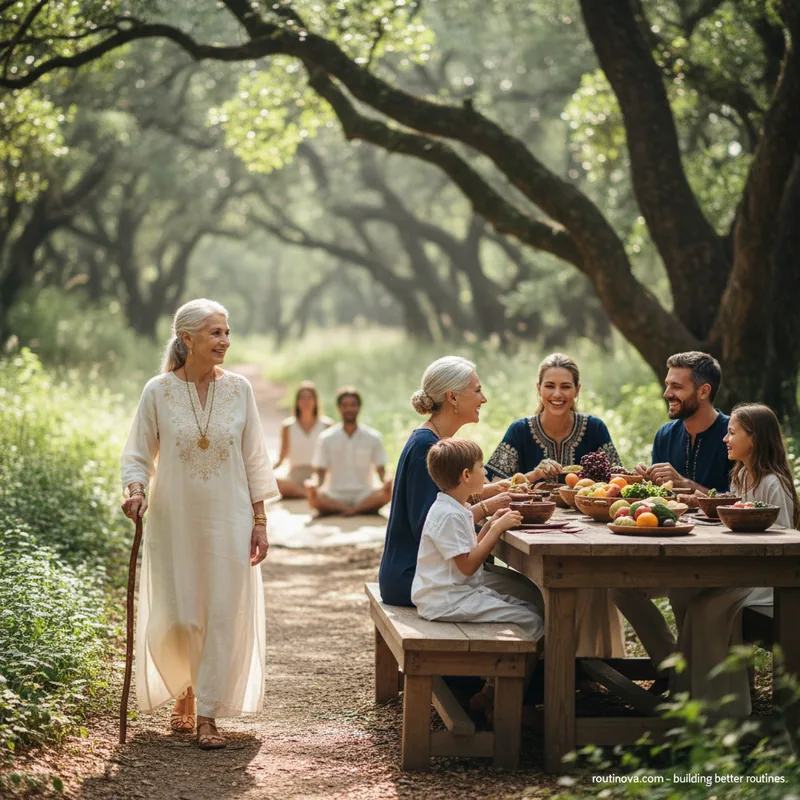
Have you ever wondered what truly underpins a life lived long, vibrantly, and with profound happiness? While modern society often seeks complex solutions, the answer, as revealed by communities known as "Blue Zones," lies in surprisingly simple daily habits linked to well-being and longevity. These regions, where people routinely live into their 90s and beyond, show us that consistent, natural lifestyle choices--not expensive interventions--are the real secret to a sustained, joyful existence.
The Blue Zone Secret to Longevity
The average life expectancy in many developed nations hovers around 78 years. However, in specific areas across the globe, individuals not only surpass this average but often thrive well into their late 90s and even past 100, maintaining remarkable vitality. These unique locales are collectively termed "Blue Zones." Interestingly, their inhabitants achieve this without relying on modern anti-aging trends like supplements, cold plunges, or cryotherapy.
The concept of "Blue Zones" emerged in 2000 when demographer Dr. Michel Poulain identified an unusual concentration of centenarians in Sardinia, Italy. Later, in 2005, explorer Dan Buettner collaborated with demographers and epidemiologists to pinpoint additional regions where reaching a century of life was significantly more common.
Current Blue Zones Identified:
- Okinawa, Japan
- Sardinia, Italy
- Icaria, Greece
- Nicoya, Costa Rica
- Loma Linda, California, USA
While the methodology behind identifying these zones has faced some academic scrutiny, their existence undeniably offers invaluable insights into lifestyles that foster healthy aging. "In Blue Zones, longevity doesn't come from striving for grand feats, but from simple, consistent lifestyle and cultural habits that are naturally woven into daily life," explains Dr. Asare Christian, a board-certified physician specializing in cellular health and longevity.
These communities highlight a powerful truth: the most impactful daily habits linked to an extended, healthier life are often deeply integrated into culture and routine.
Cultivating Inner Peace: Daily Rituals
Chronic stress is a pervasive modern challenge, yet Blue Zone residents demonstrate remarkable resilience through ingrained stress-reducing rituals. Practices such as prayer, meditation, and ancestor veneration are not merely sporadic activities but integral components of their daily lives, promoting grounding and intentional living.
"Prayer, whether religious or spiritual, acts as a potent self-regulation tool. It offers the nervous system a vital moment to pause and reset," notes Dr. Cynthia Edwards-Hawver, a licensed clinical psychologist. She adds that it cultivates hope, belonging, and a connection to something greater, serving as an anchor that diminishes anxiety and bolsters emotional resilience.
Similarly, the consistent practice of meditation has been shown to reduce cortisol levels, increase gray matter in brain regions associated with emotional regulation, and enhance self-awareness regarding thought patterns, according to Dr. Edwards-Hawver. This capacity to manage stress is crucial for safeguarding both mind and body against premature aging.
Sustained high stress triggers the overproduction of cortisol, a stress hormone. "Over time, this can erode the protective caps on our DNA, potentially accelerating cellular aging and elevating disease risk," cautions Dr. Kimberly Horn, a research psychologist. Furthermore, chronic stress has been observed to shrink the hippocampus, a brain area vital for memory and learning (Dr. Edwards-Hawver).
For instance, in some Mediterranean cultures, the tradition of a daily siesta or a quiet afternoon pause serves as a built-in de-stressor, allowing for mental and physical rejuvenation amidst the day's demands, reinforcing the importance of regular respite (European Journal of Public Health, 2022).
The Power of Purpose and Connection
A profound sense of purpose is a hallmark of Blue Zone inhabitants. Okinawans, for example, embrace Ikigai, a Japanese philosophy centered on discovering "a reason for being." Similarly, Nicoyans live by Plan de Vida, or "soul's purpose," which guides them toward mindful living aligned with their core values.
"Knowing your purpose provides essential direction and meaning, particularly during challenging periods," explains Alyssa Petersel, LCSW. It also significantly boosts self-esteem, mitigates feelings of hopelessness, and sustains motivation and engagement in life. Moreover, a clear purpose appears to directly influence longevity. "Our ability to function is intrinsically linked to purpose; without it, that function can begin to decline," observes Dr. Christian.
Beyond individual purpose, Blue Zone communities thrive on deep, meaningful social connections. Sardinians exemplify this with their close-knit communities and strong family-centric lifestyles. Claudia Tavani, a former human rights lawyer from Sardinia, recounts, "We deeply value our social structures. My mother's small town had centenarians; we'd visit them, and they'd share stories and treats, affectionately calling them 'tzia' or 'tziu' (aunt and uncle) as if they were family."
In Okinawa, a unique tradition involves forming Moais--lifelong circles of friends who share values, purpose, and interests, providing a robust support network. "Supportive relationships don't eliminate stress, but they enable us to metabolize it effectively. The act of talking things through, laughing, or simply sitting with someone who understands rebalances the nervous system," states Dr. Horn. Consequently, individuals with strong, supportive relationships tend to live longer, experience fewer chronic illnesses, and exhibit greater resilience when faced with health challenges.
Consider how in many close-knit communities, shared communal meals, like the weekly 'Sunday Supper' found in various cultures, are not just about food but about reinforcing family bonds and community ties, offering consistent emotional support and a sense of belonging (Journal of Family Studies, 2023). Cultivating these profound daily habits linked to social well-being is a cornerstone of Blue Zone longevity.
Nourishing Body and Mind with Intention
The dietary patterns observed in Blue Zones closely resemble the Mediterranean diet, characterized by a limited intake of added salt and sugar, and a rich abundance of plant-based foods, fish, and beneficial fats like olive oil, according to Shelley Balls, RDN, LDN. This balanced approach, replete with omega-3s, fiber, and probiotics, is known to support mood regulation and cognitive function, notes Claudia Giolitti-Wright, LMFT. Conversely, diets high in sugar and processed foods can exacerbate mood swings, brain fog, and symptoms of anxiety and depression.
Beyond what they eat, Blue Zone residents are remarkably mindful of how much they consume. Okinawans adhere to Hara Hachi Bu, the "80% rule," which encourages stopping eating when 80% full rather than completely satiated. This practice helps prevent overeating and its associated health risks, as Balls explains.
Mindful eating encourages slowing down and truly listening to the body's hunger and fullness cues. "This practice builds interoceptive awareness, a critical component of emotional regulation," emphasizes Giolitti-Wright. Such conscious consumption is a powerful yet simple daily habit linked to sustained health.
Equally important is consistent, natural movement, prioritized over strenuous, structured workouts. Blue Zone communities integrate low-impact activities like walking, gardening, cooking, and cycling seamlessly into their daily routines. Yuko Adachi, a visual artist living in a Costa Rican Blue Zone, shares, "Each morning, I greet the sun, ground myself in our beautiful jungle garden, and prepare breakfast with freshly harvested organic fruits and vegetables."
Each morning, I greet the sun, ground myself in our beautiful jungle garden, and prepare breakfast with freshly harvested organic fruits and vegetables.
--YUKO ADACHI, A BLUE ZONE RESIDENT IN COSTA RICA
"Regular movement strengthens our bodies, balances our moods, and sharpens our minds. It also reduces inflammation, maintains heart health, and supports brain regions crucial for memory and and learning," highlights Dr. Horn. These nutritional and movement-based daily habits linked to optimal physical and mental health are often effortless components of Blue Zone lifestyles.
Small Shifts, Big Impact: Implementing Blue Zone Wisdom
Adopting the wisdom of Blue Zones doesn't necessitate a radical life overhaul. The essence lies in making small, intentional adjustments that accumulate over time. Here are expert-backed strategies to begin integrating these longevity-promoting practices into your own life:
- Nurture Connections: Reach out to a friend, share meals with loved ones, join a local club, or volunteer for a cause you care about. "Even brief, 10-minute 'micro-connections' can significantly uplift your mood and foster a sense of belonging," advises Dr. Horn.
- Uncover Your "Why": Reflect on what truly energizes you, whether it's caring for family, engaging in creative pursuits, spiritual growth, or serving others. Giolitti-Wright suggests asking: "What makes me feel most like myself? Your purpose often resides within those answers."
- Embrace Stillness: Intentionally carve out moments of quiet throughout your day. This could involve prayer, meditation, breathwork exercises, journaling, spending time in nature, or simply taking tech-free breaks, Petersel recommends.
- Move Naturally: Integrate more movement into your routine effortlessly. Walk while taking phone calls, stretch between tasks, or opt for stairs instead of elevators. "The key is to weave regular, low-impact movement into the natural rhythm of your day, rather than relying solely on intense, structured workouts," says Dr. Christian. For example, taking a 'walking meeting' instead of sitting in a conference room, or incorporating simple stretches during television commercials, can significantly increase daily natural movement without requiring a dedicated gym session (American Journal of Health Promotion, 2024).
Embracing these small but significant daily habits linked to a more vibrant existence doesn't require a complete life overhaul; it simply asks for consistent, mindful attention to the simple rhythms that foster well-being.
Sources
1. (National Center for Health Statistics, 2023)
2. (Poulain et al., 2004)
3. (Thomson, 2025)
4. (European Journal of Public Health, 2022)
5. (Journal of Family Studies, 2023)
6. (American Journal of Health Promotion, 2024)