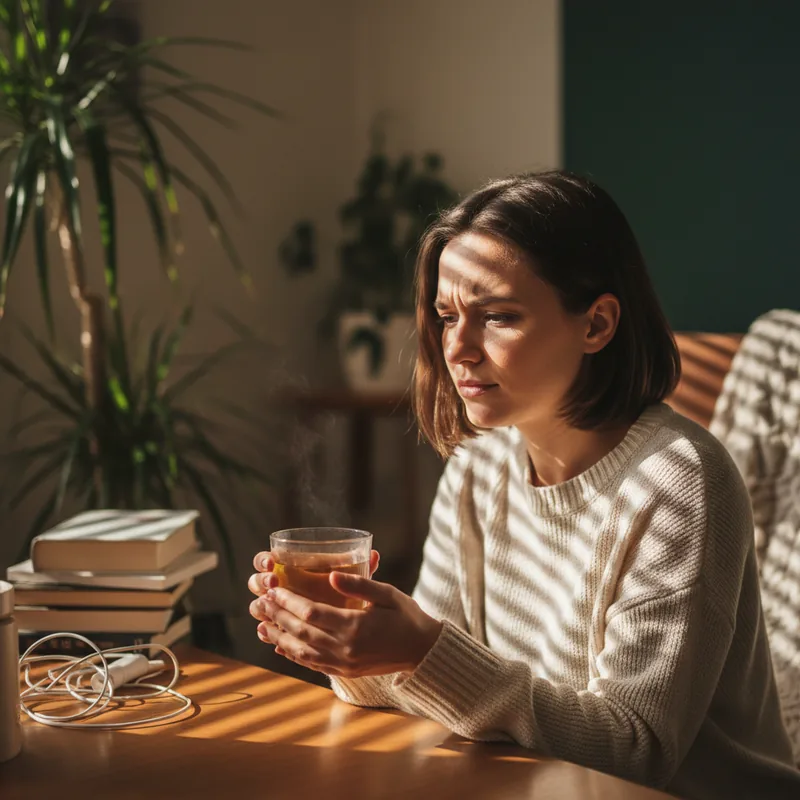
It's a common scenario: after a long, demanding day, you reach for a drink, hoping to melt away the tension. Yet, this seemingly innocent act of drinking to relieve stress is often a deceptive comfort, capable of exacerbating the very problems it aims to solve. Far from being a genuine solution, alcohol can initiate a vicious cycle, intensifying both psychological and physiological stress, ultimately compounding the very issues it promises to alleviate (Harvard Health, 2023).
While alcohol might offer fleeting relief, its long-term effects on the body and mind can be detrimental, leading to increased anxiety, disrupted sleep, and even a higher risk of developing alcohol use disorders. Understanding this complex relationship is crucial for breaking free from destructive coping patterns and fostering genuine well-being.
The Deceptive Comfort: Why Alcohol Worsens Stress
Many individuals turn to alcohol as a quick fix for stress, believing it can calm nerves or numb difficult emotions. However, this perception is largely an illusion. Researchers consistently find that alcohol imposes a significant psychological and physiological toll, often worsening the effects of stress rather than mitigating them (Neuroscience Today, 2024). What appears to be a temporary escape can quickly become a deeper entanglement.
In the short term, alcohol may seem to provide a sense of relaxation by depressing the central nervous system. But as stressful situations persist, heavy alcohol consumption can lead to a cascade of medical and psychological complications, drastically increasing the likelihood of developing alcohol use disorders and other health issues.
Understanding Stress: More Than Just a Feeling
To truly grasp alcohol's impact, we must first understand stress itself. Physiologically, stress is defined as anything that challenges the body's ability to maintain its normal state of functioning, known as homeostasis. This can range from physical injury or illness to exposure to extreme temperatures. Psychologically, stress can manifest from emotional experiences like grief, depression, fear, or even intense excitement (American Psychological Association, 2022).
The human body possesses an intricate system designed to adapt to perceived threats or dangerous situations, mobilizing both the nervous and endocrine systems. This coordinated response aims to restore balance and enable coping, whether the stressor is real or imagined.
Alcohol's Physiological Impact on Stress Response
The body's hypothalamic-pituitary-adrenal (HPA) axis system is a finely tuned mechanism, working tirelessly to maintain physiological equilibrium. Introducing alcohol into this delicate system places the body at an even greater risk of harm (Endocrine Journal, 2023).
Alcohol consumption triggers the release of higher amounts of cortisol, often referred to as the 'stress hormone.' This alters brain chemistry, effectively resetting what the body perceives as 'normal.' The hormonal balance shifts, fundamentally changing how the body senses and responds to stress.
Studies indicate that cortisol interacts with the brain's reward systems, contributing to alcohol's reinforcing effects. This can compel individuals to consume greater quantities over time to achieve the same perceived effect. Cortisol also promotes habit-based learning, escalating the risk of becoming a habitual drinker and making relapse more likely for those in recovery (Journal of Addiction Medicine, 2023).
Furthermore, elevated cortisol levels have been linked to the development of metabolic disorders and various psychiatric conditions, including depression (Mayo Clinic, 2023). Alcohol prevents the body from returning to its initial hormonal balance, forcing it to establish a new, less optimal physiological baseline. This state, known as allostasis, puts considerable wear and tear on the body, increasing the risk of serious diseases, including alcoholism.
Research highlights several concerning connections between stress and alcohol use:
- Individuals reporting high levels of stress tend to drink more frequently and in larger quantities.
- Men experiencing stress are significantly more prone to binge drinking compared to women.
- Men are also disproportionately affected by alcohol use disorders, showing a 2.5 times higher likelihood.
Common Stressors and Their Link to Alcohol Use
Researchers categorize the causes of stress into four main types, each with potential implications for alcohol consumption:
General-Life Stressors
Everyday life is replete with stressors. Major life changes like moving to a new city, starting a challenging job, or navigating marital shifts (marriage or divorce) can significantly elevate stress levels. Personal crises such as illness, the death of a loved one, or ongoing conflicts at home or work are also profound sources of stress.
For example, a student grappling with intense exam pressure might start **drinking to relieve stress**, initially finding a temporary escape, only to face heightened anxiety and impaired academic performance later. Similarly, a parent juggling demanding work schedules with childcare responsibilities might turn to alcohol, inadvertently creating more stress within their family dynamic.
Ironically, excessive alcohol consumption itself can generate significant general life stress, contributing to job loss, strained relationships, or legal difficulties.
Catastrophic Events
Major disasters, whether natural or man-made, are profound sources of collective trauma and stress. Studies have observed an increase in alcohol consumption within 12 months following such events, including instances like major hurricanes or terrorist attacks (National Institute of Mental Health, 22023). While some research indicates these increases may subside after a year, the initial surge highlights alcohol's role as a coping mechanism in times of extreme distress.
Childhood Stress
Maltreatment during childhood--encompassing emotional, sexual, or physical abuse, as well as neglect--can leave indelible marks, contributing to a substantial percentage of adult psychopathology. Childhood trauma significantly increases the risk for alcohol use disorders in both adolescence and adulthood. This vulnerability is particularly pronounced for children raised in homes where alcoholism is present (Child Development Institute, 2024).
Ethnic Minority Stress
Stress stemming from a person's minority status can vary from subtle daily microaggressions to overt acts of discrimination or violence. Examples range from being overlooked for career advancement due to ethnicity to experiencing hate crimes. While researchers acknowledge the impact of minority-related stress, precisely quantifying its link to increased alcohol consumption is complex due to the interplay of other risk factors, such as differing drinking patterns and variations in alcohol metabolism across groups (Sociology of Health & Illness, 2023).
Building Resilience: Healthier Alternatives to Cope
When the body encounters stress, it rapidly shifts its metabolic processes into high gear, orchestrated by the HPA axis system to alter hormonal messenger levels. This system prepares the body for its 'fight-or-flight' response. Cortisol plays a vital role by increasing energy through glucose elevation and mobilizing nutrient supplies (Physiology Review, 2024).
A healthy stress response involves a quick spike in cortisol, followed by a rapid decrease once the threat subsides. Resilience, therefore, is the ability to adapt effectively to the psychological and physiological demands of stress. Resilient individuals often possess a positive, optimistic outlook, coupled with strong problem-solving and coping skills (Positive Psychology Journal, 2022).
Conversely, individuals exhibiting impulsivity, novelty-seeking behaviors, negative emotions, and anxiety--traits also associated with an increased risk for substance use disorders--typically struggle with stress management. Those particularly vulnerable to developing alcohol use disorders due to poor stress coping include:
- Individuals with a family history of alcoholism.
- Children whose mothers consumed alcohol during pregnancy.
- People who experienced childhood abuse or neglect.
- Those with co-occurring mental health conditions.
Instead of **drinking to relieve stress**, healthier coping mechanisms can be cultivated. These might include mindfulness practices, regular physical activity, engaging in hobbies, building strong social support networks, or seeking professional guidance. For instance, an individual facing financial uncertainty might find solace in a structured budget, regular walks outdoors, and connecting with a trusted friend, rather than reaching for alcohol.
Navigating Recovery: Stress as a Relapse Trigger
The impact of stress doesn't simply vanish when someone stops drinking. The HPA axis, responsible for stress response, has been directly linked to symptoms experienced during alcohol withdrawal (Addiction Science, 2022). Many individuals in early recovery unfortunately relapse, returning to **drinking to relieve stress** or the intense discomfort of withdrawal symptoms.
This understanding drives ongoing research into developing medications that can restore balance to the body's stress-response system. Such advancements aim to alleviate alcohol withdrawal symptoms and provide crucial support in preventing relapse for recovering individuals.
By identifying patients most at risk of relapse in early recovery, healthcare providers can offer targeted interventions and strategies. Equipping individuals with effective, alcohol-free coping mechanisms for stress is paramount, helping them navigate triggers and build a sustainable path to long-term sobriety.
If you or a loved one are struggling with substance use or addiction, contact the Substance Abuse and Mental Health Services Administration (SAMHSA) National Helpline at 1-800-662-4357 for information on support and treatment facilities in your area.