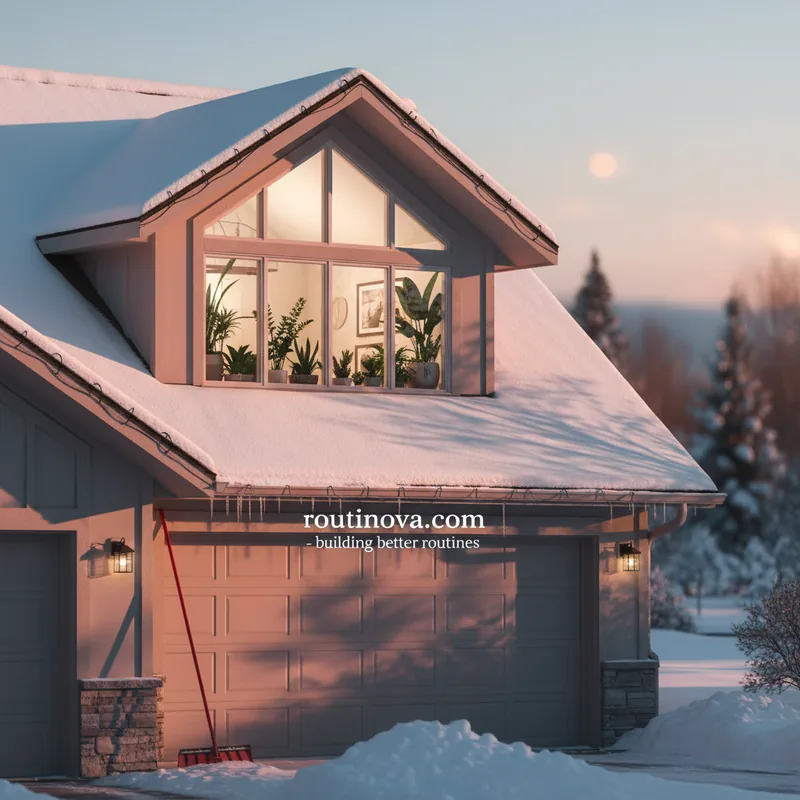
Many homeowners mistakenly believe their battle against winter ends indoors, focusing solely on heating bills and personal comfort. But the real fight for your home's longevity and structural integrity often begins outside, where heavy snow and relentless ice pose significant, often unseen, threats. Failing to adequately prepare your exterior can lead to costly repairs, from water intrusion to structural damage. If you're wondering how to fortify your residence against the season's harshest elements, here are seven products to protect your house from snow and ice damage, ensuring a safer, more secure winter. These essential tools and solutions proactively safeguard your investment against the destructive freeze-thaw cycles.
Shielding Your Roof from Winter's Assault
The roof of your home is your primary defense against the elements, and winter is arguably its greatest challenge. Heavy snow loads, insidious ice dams, and clogged vents can compromise its integrity, leading to leaks and structural stress. Proactive measures are crucial to mitigate these risks.
Clear Snow Safely with a Roof Rake
While your roof is engineered to bear a certain weight, prolonged, excessive snow accumulation is never beneficial. The sheer mass of heavy, wet snow can strain structural components, and constant melt-freeze cycles can exacerbate existing vulnerabilities. Instead of risking a dangerous climb onto a slippery roof, a roof rake offers a safer, ground-level solution. This extended tool allows you to pull snow off your roof, significantly reducing the load and preventing potential water infiltration. Structural engineers often advise that excessive snow load can compromise roof integrity over time (American Society of Civil Engineers, 2023). However, if you have heated roof cables installed, exercise extreme caution to avoid snagging or damaging them.
Prevent Vent Freezing with a Sewer Skewer
An often-overlooked winter hazard is the freezing of roof and furnace vents. These crucial openings, designed to expel exhaust and draw in fresh air for your heating system, can become dangerously obstructed by ice. A clogged vent can cause your heating system to malfunction, and more critically, lead to a buildup of hazardous fumes inside your home. A simple yet ingenious solution is the sewer skewer. Crafted from highly conductive copper, it absorbs ambient heat from the sun and rising gases, radiating it outwards to melt ice. Its design also ensures that melted water is directed away, preventing refreezing. This small device can avert significant health and safety issues.
Eliminate Ice Dams Using Heated Roof Cables
Ice dams, those stubborn ridges of ice that form along your roof's edge, are notorious for causing extensive damage. They prevent melting snow from draining properly, forcing water to back up under shingles and into your home's structure. The resulting water intrusion can lead to costly rot, mold, and damage to interior walls and insulation. Installing heated roof cables is a highly effective preventative measure. Arranged in a zig-zag pattern along the roofline, these cables maintain a clear channel for meltwater, ensuring it flows freely into your gutters. Preventing ice dams can save thousands in repairs and maintain your roof's longevity (Roofing Contractors Association, 2024).
Securing Exterior Utilities and Water Pathways
Beyond the roof, other external components of your home are vulnerable to freezing temperatures. Exposed faucets, clogged gutters, and even well pumps can become liabilities if not properly protected, leading to burst pipes and drainage problems.
Insulate Outdoor Faucets with Protective Covers
Exterior faucets and spigots are particularly susceptible to freezing because they extend beyond your home's insulated envelope. When water freezes inside these fixtures, the expanding ice can rupture the pipes, causing a catastrophic burst that can flood your basement or crawl space. The solution is remarkably simple and inexpensive: faucet covers. These insulated covers fit snugly over your outdoor spigots, creating a barrier against frigid air and keeping the pipes ice-free. The financial impact of burst pipes can be substantial, with repair costs frequently exceeding several thousand dollars (Insurance Information Institute, 2024).
Keep Gutters Flowing with Integrated Heaters
Just like ice dams on your roof, snow and ice can accumulate in your gutters, blocking proper drainage. When gutters become clogged, meltwater has nowhere to go but to spill over the sides, potentially saturating your home's foundation, causing rot in fascia boards, and leading to basement leaks. Gutter heaters provide an active solution by preventing snow and ice buildup within the gutter system itself. These cables ensure that all meltwater is channeled away from your home, protecting both your foundation and the integrity of your exterior trim.
Safeguard Well Pumps with Insulated Covers
For homes relying on well systems, the well pump is a critical, yet often exposed, piece of equipment. Freezing temperatures can easily damage the pump and its pipes, leading to a complete loss of water supply and expensive repairs. Investing in a durable, insulated well pump cover provides essential protection, maintaining a consistent temperature around the pump and preventing freezing. This simple addition can save homeowners significant headaches and costs during severe cold snaps.
Fortifying Your Landscape and Hardscapes
The impact of winter extends beyond your home's immediate structure, affecting surrounding trees, pathways, and driveways. Proactive maintenance and smart product choices can prevent damage to your entire property.
Proactively Trim Branches with a Mini Chainsaw
Trees near your home, while beautiful, can become a hazard under the weight of heavy ice and snow. Brittle or dead branches are prone to snapping, potentially crashing onto your roof, walls, or even vehicles. Being proactive by trimming back problematic branches, especially those that are old or diseased, is a wise preventative measure. A mini chainsaw can be an excellent tool for managing smaller branches safely from the ground or a stable ladder. For larger limbs, professional help is always recommended to ensure safety and proper tree health. This is one of the crucial seven products to protect your home's exterior.
Preserve Pavement with Crack Fillers and Sealants
Your driveways, patios, and walkways--collectively known as hardscapes--are constantly assaulted by the freeze-thaw cycle. Water seeps into tiny cracks, freezes, expands, and then thaws, gradually widening these fissures until your pavement crumbles. To combat this relentless destruction, regularly applying a filler sealer to existing cracks prevents water intrusion. Furthermore, sealing your asphalt or concrete surfaces provides a protective barrier against moisture, significantly slowing down the degradation process caused by fluctuating winter temperatures. Studies indicate that proper sealing can extend the lifespan of concrete and asphalt by up to 50% in freeze-thaw climates (Portland Cement Association, 2022).
Implement Snow Stakes for Property Boundaries
When heavy snowfall obscures property lines and driveway edges, accidental damage from plows or shovels becomes a real risk. Installing highly visible snow stakes or markers along your driveway, walkways, and landscaping borders before winter arrives prevents costly accidents. These simple markers guide snow removal efforts, protecting delicate plants, irrigation systems, and hardscape edges from unintended damage, ensuring your property remains intact beneath the snow.
Opt for Pet-Safe Ice Melt on Walkways
While traditional rock salt is effective at melting ice, it can be corrosive to concrete and extremely harmful to pets' paws, potentially causing irritation, burns, or even internal issues if ingested. For homes with pets or concerns about environmental impact, choosing a pet-safe ice melt is a responsible alternative. These formulations typically use gentler ingredients that are less corrosive to surfaces and safer for animal contact, allowing you to maintain clear, safe walkways without compromising the well-being of your furry friends or your landscaping.
Preparing your home for winter is not merely about comfort; it's about safeguarding your investment. By implementing these seven products to protect your property, alongside a few thoughtful additions, you can significantly reduce the risk of costly damage and enjoy the beauty of winter without the accompanying anxieties. Proactive measures now mean peace of mind for the entire season.