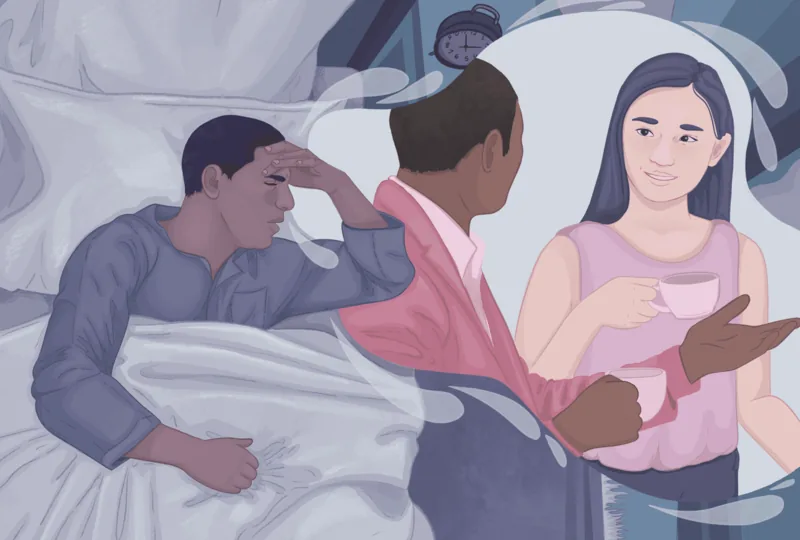
What if the very fabric of human connection - empathy, remorse, and social norms - was fundamentally absent for some? Antisocial Personality Disorder (ASPD) is a complex mental health condition characterized by a pervasive pattern of disregard for, and violation of, the rights of others. Individuals with ASPD often exhibit a profound lack of empathy, a tendency towards manipulation, and an indifference to the consequences of their actions. Understanding the intricate **symptoms treatment options antisocial** personality disorder presents is crucial for both individuals affected and those around them.
People living with ASPD typically show little or no regard for societal rules or moral boundaries. They may engage in deceitful, aggressive, or even criminal behaviors without experiencing guilt or regret. While often associated with psychopathy, it's important to note that not all individuals with ASPD meet the criteria for psychopathy; research suggests approximately one-third do (Abdalla-Filho & Völlm, 2020).
Unpacking the Complex Symptoms of Antisocial Personality Disorder
The defining characteristics of Antisocial Personality Disorder often emerge early in life, evolving into significant challenges in adulthood. Recognizing these **symptoms treatment options antisocial** individuals might require is the first step toward intervention.
Early Indicators: Childhood and Adolescence
Symptoms of ASPD frequently begin during childhood, manifesting as what is clinically known as Conduct Disorder. These early behaviors can include:
- Cruelty to animals: Exhibiting a disturbing lack of empathy towards living creatures.
- Destruction of property: Deliberately damaging belongings or public spaces, such as fire setting.
- Difficulty with authority: Persistent defiance and disregard for rules set by parents, teachers, or other figures of authority.
- Bullying: Regularly intimidating or harming peers, often without remorse.
While these behaviors are concerning, an official diagnosis of ASPD cannot be made before the age of 18. However, a history of Conduct Disorder before age 15 is a prerequisite for an adult ASPD diagnosis (American Psychiatric Association, 2013).
Adult Manifestations: A Pattern of Disregard
As adults, individuals with ASPD display a consistent pattern of violating the rights of others. Key symptoms include:
- Legal problems: Frequent arrests or convictions due to a failure to conform to social norms and laws.
- Impulsivity: Acting without forethought, often leading to dangerous or detrimental outcomes.
- Aggressiveness and irritability: A propensity for physical altercations and an easily provoked temper.
- Lack of empathy: An inability to understand or share the feelings of others, leading to insensitive and unfeeling interactions.
- Deceitfulness: Chronic lying, manipulation, or conning others for personal gain or amusement. For example, a person might consistently defraud small businesses, fabricating elaborate stories to avoid payment, and show no discernible guilt or concern for the financial ruin they cause.
- Lack of remorse: Feeling no regret or guilt for actions that harm others, regardless of the severity.
- Irresponsible behavior: A pattern of failing to uphold financial obligations, maintain employment, or fulfill parental duties.
- Poor relationships: Struggles to maintain stable, healthy relationships, often characterized by abuse or neglect.
These characteristics create profound difficulties across all life domains, leading to instability, conflict, and a heightened risk of dangerous activities (US National Library of Medicine). The inability to consider others' perspectives fosters a harmful disregard that impacts both the individual and those around them.
Diagnosing ASPD: Criteria and Challenges
The diagnosis of Antisocial Personality Disorder relies on specific criteria outlined in the Diagnostic and Statistical Manual of Mental Disorders (DSM-5). While symptoms often begin in childhood, formal diagnosis occurs in adulthood.
DSM-5 Diagnostic Criteria
For an ASPD diagnosis, an individual must be at least 18 years old and have a history of Conduct Disorder before age 15. Additionally, they must exhibit a pervasive pattern of disregard for and violation of the rights of others, indicated by at least three of the following seven symptoms (American Psychiatric Association, 2013):
- Failure to conform to social norms with respect to lawful behaviors, as indicated by repeatedly performing acts that are grounds for arrest.
- Deceitfulness, as indicated by repeated lying, use of aliases, or conning others for personal profit or pleasure.
- Impulsivity or failure to plan ahead.
- Irritability and aggressiveness, as indicated by repeated physical fights or assaults.
- Reckless disregard for safety of self or others.
- Consistent irresponsibility, as indicated by repeated failure to sustain consistent work behavior or honor financial obligations.
- Lack of remorse, as indicated by being indifferent to or rationalizing having hurt, mistreated, or stolen from another.
It's crucial that these antisocial behaviors are not solely a manifestation or consequence of another mental condition, such as bipolar disorder or schizophrenia.
Prevalence and Criticisms
According to the DSM-5, ASPD affects approximately 0.2% to 3.3% of U.S. adults, with men being more frequently diagnosed than women (American Psychiatric Association, 2013). However, some critics argue that the DSM criteria may be overly focused on behaviors linked to criminal actions, potentially leading to misdiagnosis in certain socioeconomic or urban environments where seemingly antisocial behaviors might be protective survival strategies (Edens et al., 2015). This perspective suggests that the prevalence of ASPD might be overstated in some populations.
The Roots of ASPD: Exploring Causes and Risk Factors
The precise origins of Antisocial Personality Disorder are not fully understood, but it is believed to result from a complex interplay of genetic predispositions and environmental influences. Personality development is shaped by both nature and nurture.
Genetic Predisposition
Research indicates a significant genetic component to ASPD. The disorder is more common among first-degree biological relatives of affected individuals compared to the general population (Werner et al., 2015). While genetics may confer a vulnerability, environmental factors are thought to exacerbate its development, suggesting a gene-environment interaction.
Environmental Influences and Upbringing
Early life experiences play a critical role. Childhood abuse, neglect, and trauma are strongly linked to the onset of ASPD (Dargis et al., 2016). Children raised in abusive or dysfunctional homes may internalize these behavioral patterns, potentially replicating them in their own relationships later in life. A child growing up in extreme neglect, for instance, might never develop the foundational understanding of reciprocal social cues or emotional responsiveness that are crucial for healthy interpersonal connections.
Disorganized and neglectful home environments often deprive children of the opportunities to develop essential skills like discipline, self-control, and empathy, further increasing their risk for ASPD.
Brain Differences and Arousal Seeking
Neurological factors also contribute to ASPD. Studies have identified structural and functional differences in the brains of individuals with the disorder, particularly in the frontal lobe - the area responsible for planning, judgment, and impulse control (Harvard Health, 2024). These differences may contribute to impaired decision-making and emotional regulation.
Furthermore, individuals with ASPD often exhibit a lower baseline level of physiological arousal, leading them to seek out greater stimulation. This can manifest as a propensity for dangerous or illegal activities, purely to elevate their arousal to an optimal level. For example, the thrill-seeking behavior often seen in individuals with ASPD might involve engaging in high-stakes illegal activities, like street racing or elaborate scams, primarily for the rush rather than just financial gain.
Navigating Treatment Options for Antisocial Personality Disorder
Treating Antisocial Personality Disorder is notoriously challenging, primarily because individuals with ASPD rarely seek help voluntarily. Most often, intervention occurs due to involvement with the legal system. Research suggests that traditional punitive measures, such as incarceration, are largely ineffective as individuals with the condition are often unresponsive to punishment (De Brito et al., 2013).
Despite these challenges, various therapeutic approaches and medications offer potential avenues for managing symptoms and improving functioning. Effective **symptoms treatment options antisocial** individuals often require a multi-faceted approach.
Psychotherapy
Psychological therapies aim to help individuals gain insight into their behaviors and develop healthier coping mechanisms. Long-term commitment is typically required for meaningful change.
- Cognitive Behavioral Therapy (CBT): This therapy helps individuals identify and challenge maladaptive thought patterns and behaviors, replacing them with more constructive ones (Cleveland Clinic, 2024).
- Group and Family Therapy: These modalities can help improve interpersonal skills and address relational dynamics, although engagement can be difficult.
- Mentalization-Based Treatment (MBT): MBT focuses on enhancing the ability to understand one's own and others' mental states, which can be particularly beneficial for individuals with impaired empathy (Bateman et al., 2016).
Medication
While no specific medication directly treats ASPD, pharmacological interventions can be used to manage co-occurring symptoms, such as aggression, anxiety, or mood instability. Medications that may be prescribed include:
- Anti-anxiety medications
- Antidepressants
- Antipsychotics
- Mood stabilizers
These medications are typically used in conjunction with psychotherapy to provide comprehensive care. Exploring all available **symptoms treatment options antisocial** personality disorder demands patience and specialized care.
Living with ASPD: Impact and Support
Antisocial Personality Disorder profoundly impacts an individual's life, as well as the lives of those around them. The pervasive disregard for rules and others' well-being often leads to severe consequences.
Impact on the Individual
For the person with ASPD, the condition can result in significant functional impairment. This may include:
- Frequent incarceration or legal troubles due to criminal or harmful actions.
- Inability to maintain stable employment, leading to financial instability.
- Difficulty forming and sustaining meaningful relationships, often leading to isolation or conflict.
- Increased risk of injury or premature death due to risk-taking behaviors (American Psychiatric Association, 2013).
Impact on Loved Ones and Society
The actions of individuals with ASPD can cause considerable harm to family members, friends, co-workers, and even strangers. The lack of remorse and manipulative tendencies can be emotionally devastating for those who interact with them. Understanding the **symptoms treatment options antisocial** individuals face also means addressing the broader societal implications of their behavior.
Seeking Support and Setting Boundaries
Since most people with ASPD do not seek help on their own, intervention often occurs through external pressures, such as legal mandates. Research suggests that individuals with ASPD who have stronger social support systems and positive spousal or family ties tend to have a better prognosis (Fisher & Hany, 2024).
If you have a loved one with ASPD, seeking support for yourself is paramount. A mental health professional can help you develop coping strategies, establish healthy boundaries, and protect yourself from potential harm. Group therapy and support groups can also provide valuable resources, shared experiences, and a sense of community for those navigating these challenging relationships.
If you or someone you know is struggling with Antisocial Personality Disorder, please contact the Substance Abuse and Mental Health Services Administration (SAMHSA) National Helpline at 1-800-662-4357 for information on support and treatment facilities in your area. For additional mental health resources, consult reputable national helpline databases.