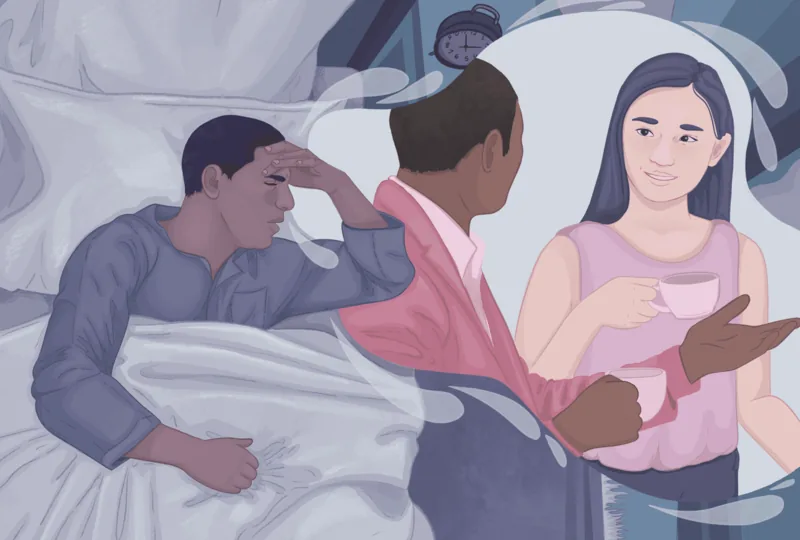
If you've noticed a persistent shift in your energy, mood, and behavior - perhaps feeling unusually driven, creative, or irritable for a few days - you might be experiencing hypomania. This state, often misunderstood and sometimes mistaken for simply being 'high-functioning' or 'on a roll,' is a distinct phenomenon with significant implications for mental well-being.
Understanding what is hypomania? is crucial, as it's a key indicator associated with bipolar disorder, particularly bipolar II. Unlike full-blown mania, hypomania is less severe and typically shorter in duration, but it still warrants careful attention. This guide will delve into the nuances of hypomanic episodes, helping you recognize the signs, understand potential triggers, and explore effective management strategies.
What Exactly Is Hypomania?
Hypomania is a state characterized by an elevated mood, increased energy, and a surge in behavioral and activity levels that deviate significantly from your typical baseline. It's essentially a milder, less disruptive version of mania. While it might initially feel productive or even euphoric, it represents a departure from stable mental health and is often a precursor or component of bipolar disorder (Mayo Clinic, 2023).
The defining feature of hypomania is a period where mood, activity, and energy are noticeably different from your usual self. This change is often apparent to others, distinguishing it from everyday mood fluctuations. It's important to differentiate hypomania from mania, as manic episodes involve more severe symptoms that can significantly impair daily functioning and may require hospitalization (National Collaborating Centre for Mental Health, 2023).
A hypomanic episode typically lasts for at least four consecutive days and involves a noticeable change in functioning. During this time, individuals may experience a persistent and abnormally elevated, expansive, or irritable mood, coupled with a significant increase in activity or energy for most of the day, nearly every day.
Recognizing the Signs and Symptoms
The manifestation of hypomania can vary greatly from person to person, and even from one episode to another. However, several common signs and symptoms can help identify its presence. These often include:
- Increased Talkativeness: Speaking much more than usual, often rapidly and with little pause, sometimes making it difficult for others to interrupt or follow the conversation.
- Reduced Need for Sleep: Feeling rested after only a few hours of sleep, or experiencing a noticeable decrease in the need for sleep without feeling fatigued the next day.
- Inflated Self-Esteem or Grandiosity: Holding an exaggerated sense of one's abilities, importance, or talents, believing oneself to be uniquely gifted or powerful.
- Racing Thoughts or Flight of Ideas: Thoughts move rapidly from one idea to another, often without a clear logical connection, making concentration difficult.
- Distractibility: Easily sidetracked by minor external stimuli, unable to focus on tasks or conversations.
- Increased Goal-Directed Activity: Becoming intensely focused on achieving specific goals, whether at work, in creative pursuits, or in personal projects, often with unusual drive.
- Excessive Involvement in Risky Behaviors: Engaging in activities with a high potential for painful consequences, such as impulsive spending sprees, reckless driving, gambling, or engaging in extramarital affairs (American Psychiatric Association, 2022).
- Unusual Irritability or Hostility: Experiencing heightened irritability, aggression, or agitation that is out of character.
- Flamboyant Behavior: Dressing or acting in ways that are noticeably more extravagant or attention-seeking than usual.
For instance, someone might suddenly decide to quit their job to pursue a passion project they've never seriously considered before, or begin making large, unaffordable purchases like a new car or an expensive vacation on a credit card.
Distinguishing Hypomania from Mania
It's critical to understand the difference between hypomania and mania, as mania represents a more severe mood disturbance. The primary distinctions lie in the intensity and duration of symptoms, and their impact on functioning.
Hypomania is characterized by symptoms that are noticeable but do not cause significant impairment in social or occupational functioning and do not require hospitalization. There are no psychotic features (hallucinations or delusions) present. The episode lasts for at least four consecutive days.
Mania, on the other hand, involves symptoms that are severe enough to cause marked impairment in social or occupational functioning, may necessitate hospitalization to prevent harm to oneself or others, and may include psychotic features. A manic episode typically lasts for at least one week, although it can be shorter if hospitalization is required.
Consider these examples:
- Example 1: A person experiencing hypomania might feel so energetic they work on a project for 18 hours straight, fueled by minimal sleep and immense confidence. They might spend more money than usual but can still manage their bills.
- Example 2: Someone in a manic episode might have grandiose delusions, believing they are a prophet, and engage in reckless financial schemes that lead to bankruptcy, or become so agitated they require immediate psychiatric care.
- Example 3: A person with hypomania might impulsively book a trip to Europe, spending a significant portion of their savings. In contrast, someone experiencing mania might believe they can fly and attempt to jump from a building, or spend their life savings on a dubious business venture based on delusions of grandeur.
The presence of psychotic symptoms or severe functional impairment is a key indicator that an episode is manic, not hypomanic (American Psychiatric Association, 2022).
Diagnoses Involving Hypomania
Hypomania itself is not a standalone diagnosis but is a crucial symptom cluster that helps clinicians diagnose various mood disorders, most notably bipolar disorder.
Bipolar I Disorder: Characterized by at least one manic episode. Individuals with Bipolar I disorder may also experience hypomanic and depressive episodes.
Bipolar II Disorder: Defined by the presence of at least one hypomanic episode and at least one major depressive episode. Importantly, individuals with Bipolar II disorder never experience a full manic episode (Mayo Clinic, 2023).
Cyclothymia: A milder, chronic mood disorder involving numerous periods of hypomanic symptoms (that do not meet the full criteria for a hypomanic episode) and periods of depressive symptoms (that do not meet the full criteria for a major depressive episode) for at least two years.
To diagnose bipolar disorders, healthcare providers look for patterns of mood episodes. The specific criteria for a hypomanic episode, as outlined in the DSM-5-TR, include the mood change and increased energy/activity lasting for at least four days, accompanied by other specific symptoms like inflated self-esteem, decreased need for sleep, and increased talkativeness (American Psychiatric Association, 2022).
Potential Causes of Hypomania
While hypomania is most commonly associated with bipolar disorder, several other factors can trigger or contribute to its occurrence:
- Genetics: Research suggests a hereditary component to hypomania and bipolar disorder. Studies, including those on twins, indicate a significant genetic predisposition, with risk appearing higher in males (Hosang et al., 2022).
- Substance Use: Alcohol and drug use disorders are frequently comorbid with mood disorders. Certain substances can induce hypomanic-like symptoms or trigger episodes in susceptible individuals (Moriarty et al., 2021).
- Sleep Disturbances: Irregular sleep patterns, such as insomnia or disrupted circadian rhythms, are strongly linked to mood instability and can precipitate hypomanic episodes in some people. The relationship is complex, with hypomania also affecting sleep (Barton et al., 2018).
- Antidepressant Medication: For some individuals, particularly those with undiagnosed bipolar disorder, antidepressant medications can trigger hypomanic or manic episodes. This is known as antidepressant-associated hypomania (Swift Yasgur, 2020).
- High Stress Levels: Significant life stressors, such as those experienced during demanding academic programs or major life transitions, can increase the likelihood of experiencing hypomanic symptoms (Rahmati et al., 2019).
- Herbal Supplements and Medications: Certain medications, like some antidepressants (e.g., escitalopram), and combinations of herbal supplements have been reported to cause psychiatric symptoms, including hypomania, in some individuals (Kazi et al., 2021; Yamaguchi et al., 2018).
The Impact of Hypomanic Episodes
While hypomania might offer temporary boosts in creativity, productivity, or confidence, its potential downsides are significant and can have lasting consequences:
- Relationship Strain: Behaviors like hypersexuality, increased irritability, or impulsive decisions can damage personal relationships with partners, family, and friends.
- Financial Hardship: Reckless spending, impulsive investments, or gambling during a hypomanic phase can lead to severe debt and financial instability.
- Occupational Problems: Inappropriate social behavior, excessive risk-taking, or a sudden abandonment of responsibilities can jeopardize employment.
- Increased Risk of Other Mood Episodes: Hypomania can be a precursor to a more severe manic episode or can be followed by significant depressive episodes, contributing to the cyclical nature of bipolar disorder.
It's important to note that while some research suggests potential benefits, such as increased aerobic capacity or goal-directed behavior during pure euphoric hypomania, these positive aspects are often overshadowed by the negative consequences and the unpredictable shift towards more problematic states (Shoval et al., 2018).
Treatment and Coping Strategies
Managing hypomania effectively often involves a combination of medical treatment, lifestyle adjustments, and coping mechanisms.
Medical Treatment
The cornerstone of treatment for hypomania, especially when linked to bipolar disorder, is often mood-stabilizing medication. These may include:
- Mood Stabilizers: Medications like lithium or valproic acid are commonly prescribed to regulate mood swings.
- Antipsychotics: Newer antipsychotic medications can help manage acute hypomanic symptoms and stabilize mood.
- Antidepressants: Used cautiously, often in conjunction with a mood stabilizer, to treat depressive phases.
It's crucial to work closely with a healthcare provider to find the right medication and dosage, as improper treatment can sometimes trigger further mood instability.
Lifestyle and Holistic Approaches
Complementary strategies can significantly support treatment:
- Consistent Sleep Schedule: Aim for 7-8 hours of quality sleep per night.
- Regular Exercise: Daily physical activity can help regulate mood and energy levels.
- Balanced Diet: Eating regular, nutritious meals supports overall mental and physical health.
- Avoid Stimulants: Limiting caffeine, sugar, and exposure to overly stimulating environments can prevent triggering episodes.
- Stress Management: Employing relaxation techniques, mindfulness, or therapy to manage stress effectively.
Coping with Hypomania
Beyond professional treatment, proactive coping strategies are essential:
- Educate Yourself: Understanding hypomania, its triggers, and your personal patterns is empowering.
- Keep a Mood Diary: Tracking your moods, sleep, activities, and medications can provide valuable insights for you and your doctor.
- Seek Support: Connect with trusted friends, family, or join a support group for individuals with mood disorders. Sharing experiences can reduce feelings of isolation.
- Adhere to Treatment: Consistency with prescribed medications and therapy is vital for long-term stability.
If you or someone you know is struggling with symptoms of hypomania or bipolar disorder, reaching out for professional help is the most important step. The Substance Abuse and Mental Health Services Administration (SAMHSA) National Helpline at 1-800-662-4357 offers confidential support and treatment referrals.