Imagine your mind, a place you call home, suddenly becoming a terrifying stranger. One moment you're going about your day, the next, a tidal wave of fear crashes over you, your heart hammering, breath catching, the world blurring at the edges. This isn't just stress; it's a panic attack, an intense, overwhelming experience that can leave you feeling lost and disoriented. But here's what many people don't realize: not all panic attacks are the same. In fact, did you know there are two distinct types, each with its own unique characteristics? Understanding these differences is the first crucial step toward finding your footing again.
The Unseen Battle: Understanding Panic Attack Symptoms
A panic attack isn't just feeling anxious; it's a sudden, intense surge of fear accompanied by a constellation of unsettling physical and mental symptoms. These aren't imagined--they're very real, often mimicking serious medical conditions, which can amplify the terror. Think of it as your body's alarm system going haywire, blasting fear signals even when there's no immediate threat.
The Diagnostic and Statistical Manual of Mental Disorders, fifth edition (DSM-5), the trusted guide for mental health professionals, outlines a clear picture of what constitutes a panic attack. It describes a sudden onset of intense fear or discomfort that peaks within minutes, accompanied by at least four of a specific list of symptoms (American Psychiatric Association, 2013). These can range from the purely physical to deeply disorienting mental experiences.
- Chest pain or discomfort
- Chills or hot flashes
- Derealization (feeling detached from reality) or depersonalization (feeling detached from oneself)
- Excessive sweating
- Fear of dying
- Fear of losing control or 'going crazy'
- Feeling of choking
- Dizziness, feeling unsteady, lightheadedness, or faintness
- Numbness or tingling sensations (paresthesias)
- Heart palpitations or a rapid heart rate
- Nausea or abdominal pain
- Shortness of breath or feelings of smothering
- Trembling or shaking
These symptoms often hit like a lightning bolt, peaking rapidly, then either fading completely or leaving behind a lingering sense of anxiety, setting the stage for another potential cycle. Sometimes, you might experience what's called a 'limited-symptom panic attack,' where fewer than four of these indicators show up, but the fear is no less real.
Expected vs. Unexpected: Decoding Panic Attack Types
Here's where things get interesting, and did you know there are significant differences in how panic attacks manifest? The DSM-5 doesn't just list symptoms; it classifies panic attacks into two distinct categories: expected and unexpected (American Psychiatric Association, 2013).
Expected Panic Attacks
Imagine you have a deep-seated fear of public speaking. The moment you step onto a stage, or even just think about an upcoming presentation, your heart begins to pound, your palms sweat, and a wave of dread washes over you. This is an expected panic attack. These attacks are clearly linked to specific triggers--a particular situation, object, or even a thought pattern you consciously associate with fear. For someone with claustrophobia, stepping into a packed elevator can predictably trigger an attack. Similarly, a person with aerophobia might experience panic symptoms when boarding a plane or during turbulence (Mayo Clinic, 2023). It's a direct response to an anticipated threat, whether real or perceived, and often, you can see it coming. Another example might be someone with social anxiety who experiences a panic attack upon entering a crowded party, knowing their fear of judgment will be amplified.
Unexpected Panic Attacks
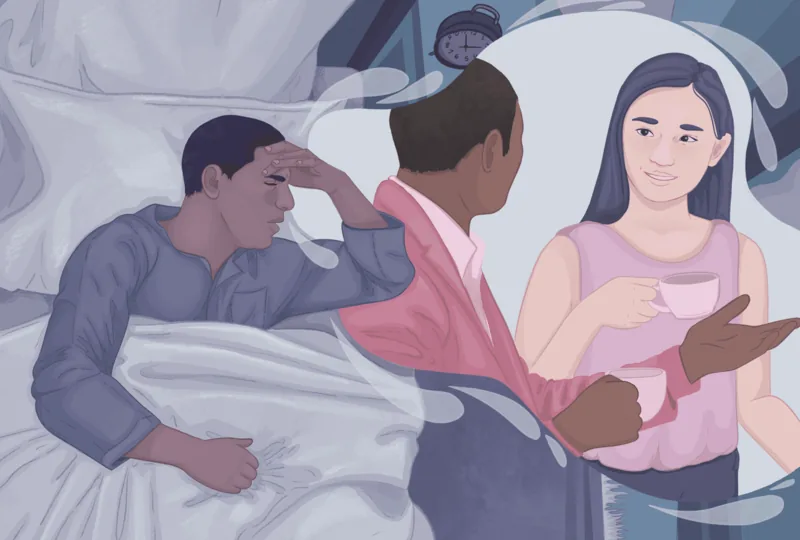
Now, picture this: you're unwinding on the couch, watching a movie, feeling completely relaxed. Suddenly, out of nowhere, your chest tightens, your breathing becomes shallow, and an inexplicable terror grips you. This is an unexpected panic attack. There's no obvious external trigger, no specific thought you can pinpoint, no looming event that caused it. It simply happens. This type of attack doesn't accompany any conscious internal cues, like fearful thoughts or intense dread, nor external cues, like specific phobias. It's the mind's alarm system misfiring without a clear reason, making it particularly unsettling because of its unpredictable nature. Did you know there are people who experience these attacks while sound asleep, waking up in a cold sweat with a racing heart, a phenomenon known as nocturnal panic attacks? Or perhaps you're simply doing routine chores, folding laundry, and suddenly feel an overwhelming sense of dread and physical symptoms without any logical precursor.
Beyond the Attack: Diagnosis and Panic Disorder
While a panic attack itself isn't a disorder, recurrent unexpected attacks are a hallmark of panic disorder. It's a condition where the fear of having another attack becomes a persistent source of anxiety, often leading to significant changes in behavior. Think of it as a vicious cycle: the attack causes fear, and the fear of another attack fuels more anxiety.
But did you know there are many other mental health conditions where panic attacks can appear? They frequently co-occur with mood and anxiety disorders such as agoraphobia, generalized anxiety disorder (GAD), major depressive disorder, obsessive-compulsive disorder (OCD), post-traumatic stress disorder (PTSD), and various specific phobias. They can also emerge alongside personality disorders, eating disorders, or substance-related disorders (Harvard, 2024).
If you're grappling with these sudden surges of fear, seeking professional help is crucial. A doctor or mental health provider can help distinguish whether your symptoms point to panic disorder or another underlying condition. The sooner you get an accurate diagnosis, the sooner you can begin to manage these attacks and reclaim your life.
Panic Disorder: A Deeper Dive
Panic disorder is more than just experiencing a few panic attacks. It's characterized by recurrent, unexpected panic attacks and a persistent worry about having more. This often leads to significant behavioral changes, like avoiding places or situations where an attack might occur. It's a profound shift in how you navigate the world, driven by fear (American Psychiatric Association, 2013).
This condition typically emerges in late adolescence or early adulthood, though it can sometimes begin earlier or later in life. Interestingly, there is a noticeable gender disparity, with panic disorder being almost twice as prevalent in women than men. This has led experts to recommend routine anxiety disorder screenings for women and girls over 13 during preventative care exams (Gregory et al., 2020).
The exact causes remain a puzzle, but research strongly suggests a genetic component. If a close family member has panic disorder, your risk increases (Na et al., 2011). Most experts agree it's a complex interplay of environmental, biological, and psychological factors.
Finding Your Footing: Treatment and Support
Living with panic disorder can feel incredibly isolating. The constant dread of another attack can shrink your world, leading you to avoid social situations, work, or even simple errands. Shame and fear of judgment often keep people from reaching out, creating a lonely cycle of suffering.
But here's the good news: while there isn't a 'cure,' there are highly effective strategies to manage panic disorder and significantly improve your quality of life. The path to regaining control often involves a combination of medication and psychotherapy, along with practical self-help techniques.
Medications like antidepressants and benzodiazepines can help dial down the intensity of panic attacks and other anxiety symptoms. Psychotherapy, particularly cognitive-behavioral therapy (CBT), is invaluable for helping you understand the patterns of panic, challenge fearful thoughts, and develop healthy coping mechanisms. It's about retraining your brain and body to respond differently to perceived threats.
If you or someone you care about is struggling, remember you don't have to face it alone. Reaching out to organizations like the Substance Abuse and Mental Health Services Administration (SAMHSA) National Helpline at 1-800-662-4357 can connect you with vital information and support resources in your area. There are pathways to help, and you deserve to find them.