We often believe that to survive pain, we must turn away. But what if our greatest suffering stems not from the pain itself, but from our relentless efforts to avoid it? This profound, often painful, lesson unfolded for me not in a classroom, but through the loyal gaze of a collie named Lassie, whose story became intertwined with the golden age of television and the beloved actress June Lockhart. It was a lesson learned far too late, yet one that shaped my entire understanding of mental health and presence.
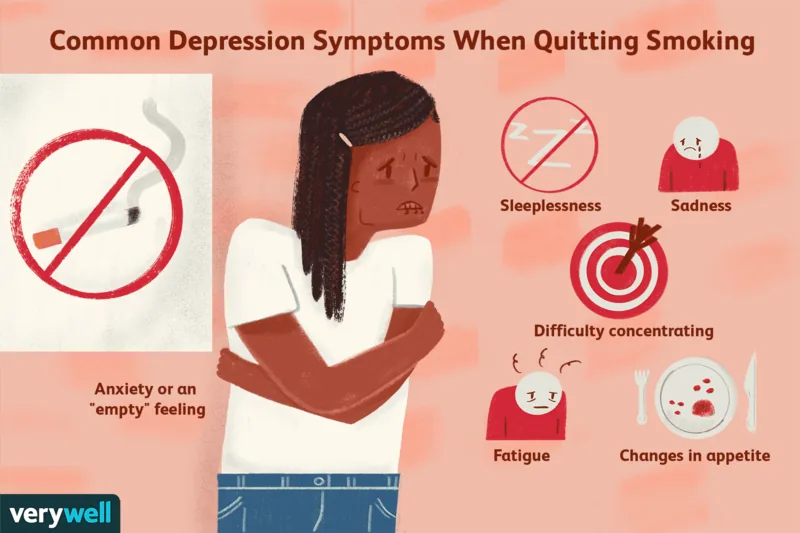
Understanding this crucial aspect of psychological well-being is vital, as research consistently suggests that experiential avoidance, the tendency to steer clear of uncomfortable thoughts, feelings, and sensations, can worsen mental health outcomes and hinder personal growth (Harvard, 2024; Mayo Clinic, 2023).
The Golden Moments and a Shadow Cast
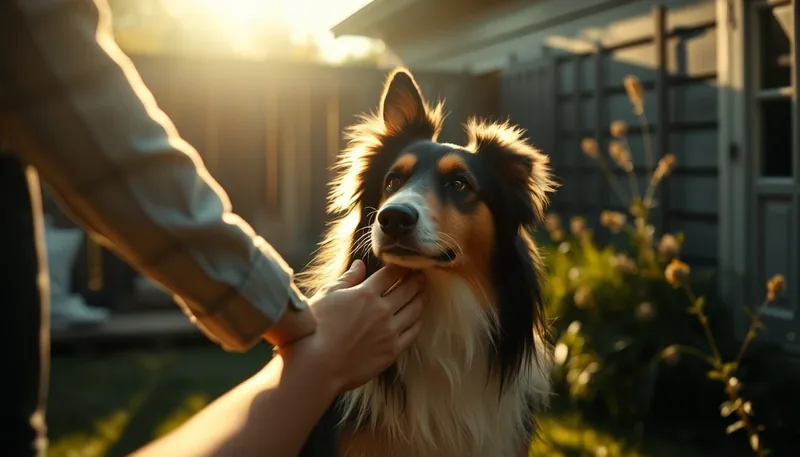
When news of June Lockhart’s passing reached me, a sharp, unexpected pang resonated deep within. It instantly transported me back to a simpler time, to my childhood living room, where I’d sprawl on the carpet, rolling around with my very first pet. She was an impossibly soft, exuberant collie, named Lassie, after the TV heroine.
My siblings, our dog Lassie, and I would gather weekly, captivated by the adventures unfolding on screen. Me, wide-eyed and engrossed; her, attentive in that unique canine way, as if she too followed the brave feats of her television counterpart. These were moments of pure, uncomplicated joy. I loved her completely, with the boundless affection only a child can give.
But childhood narratives, much like life itself, often take an unexpected turn. My mother, whose severe OCD (a condition I would only fully grasp decades later) led to a crisis: ticks were discovered in Lassie’s bedding. What followed was catastrophic for my beloved dog, and for me, it marked the beginning of a deeply ingrained pattern of avoidance.
The fumigators arrived, the bedding was removed, and Lassie was banished to a desolate side yard behind our house in El Cajon, California. It was a sun-baked expanse of decomposed granite, offering no shade, no comfort. Her once-gleaming collie coat became matted, her paws chafed from the harsh ground. Mine did too, on the rare occasions I ventured out to see her.
An old black-and-white photograph from 1956, depicting my parents in an ordinary mid-century scene, subtly hides this unfolding tragedy. Just two years after that photo was taken, behind the wooden fence, lay the very yard where my dog was condemned to live. Though my siblings and I were tasked with her basic care – “Feed the dog and give her water” – that side yard felt like a dungeon of despair for a 10-year-old. There was no joy, no playful rolling on the floor, no soft fur to bury my face in.
When she saw me, Lassie would approach with hesitant hope, her head lowered, tail uncertain. And I simply could not bear it. The ache, the confusion, the raw injustice of her situation were too overwhelming. I felt a simmering anger toward my mother for what felt like neurotic cruelty, yet I found myself paralyzed, unable to protect my loyal companion.
Instead, I did what children, and often adults, do when faced with unbearable pain: I looked away.
More accurately, I mentally erased the fact that I even had a dog. My visits became the bare minimum, fleeting and mechanical. I left quickly, actively avoiding the intense feelings that arose when I saw her suffering. In that profound act of evasion, I abandoned the very creature who had once been my closest companion. It was a formative experience, teaching me to retreat into myself rather than confront discomfort. For instance, instead of engaging with a difficult family situation, I’d often retreat into books, burying myself in fictional worlds to escape the palpable tension at home. This was an early, subtle form of emotional evasion.
She endured only a year or two in that desolate exile. When she died, I recall no ceremony, no ritual. My father simply dug a hole in that same miserable yard, and that was the end. I did not go. No words were spoken. No gratitude. No goodbye. Even now, decades later, a shiver of shame runs through me as I recount these sentences. Her memory has always carried that distinct, painful sting.
The Pervasive Pattern of Evasion
Age, however, possesses a way of revealing the deeper patterns beneath our earliest choices. My inability to face the pain of Lassie’s suffering didn't simply vanish; it grew roots, becoming a foundational template for my adult life. This pattern of avoidance manifested in countless ways, often subtly shaping my interactions and decisions.
It became the blueprint for not talking to friends about what was genuinely troubling me, preferring superficial conversations to vulnerable disclosure. It was the impulse to run for the hills when relationships with women I loved became emotionally complicated, rather than leaning into the complexity. For example, I once put off a crucial conversation with a loved one about our future, instead filling my schedule with trivial errands and social engagements, hoping the issue would simply resolve itself or disappear.
Professionally, it translated into pouring myself into work, using busyness as a shield, rather than pausing to ask what I actually needed or wanted from my life. When faced with a challenging client, for instance, I used to dive into endless administrative tasks, convincing myself I was productive, rather than addressing the core conflict directly. And, perhaps most painfully, it meant allowing even my own children to fade into the background when life became too full, too fast, too demanding, creating an emotional distance I now deeply regret.
Looking away instead of leaning in. Avoidance instead of presence. Silence instead of connection. This ingrained habit of avoidance, a painful lesson from my youth, became the very subject of my life's work. It’s little wonder I have spent my entire professional career studying and teaching psychological flexibility, learning how to turn toward what hurts to move toward what truly matters.
From Regret to Resilient Presence
Today, as I reflect, I close my eyes and shed a tear for her. But I also smile—because Lassie gave me immense joy, laughter, and companionship, and those are real, enduring gifts. Even now, I can vividly feel her warm body pressed against mine on that living-room floor as we watched June Lockhart and the TV Lassie saving the day once again.
In her honor, and in recognition of the profound impact she had on my life, I again make a small, yet powerful, vow: to be loving and present, even when the prickles of emotional decomposed granite dig into my feet. To look toward what hurts rather than away. To stay present, even when presence costs something, even when it demands discomfort and vulnerability.
I'm not perfect at it. Perhaps I never will be. But I am undeniably better than I used to be, and that, in itself, is worth something. That is my vow in action, a continuous commitment to growth and connection. It is a vow born from deep regret, but also from immense gratitude for the invaluable lessons learned.
My childhood Lassie deserved better. The people in my life, past and present, deserve better. And, truthfully, so do I. This journey, initiated by a beloved collie and the echoes of a television era featuring June Lockhart, has taught me the most crucial lesson of all: true strength lies not in avoiding pain, but in bravely turning to face it, and in doing so, finding a deeper, more resilient way to live.