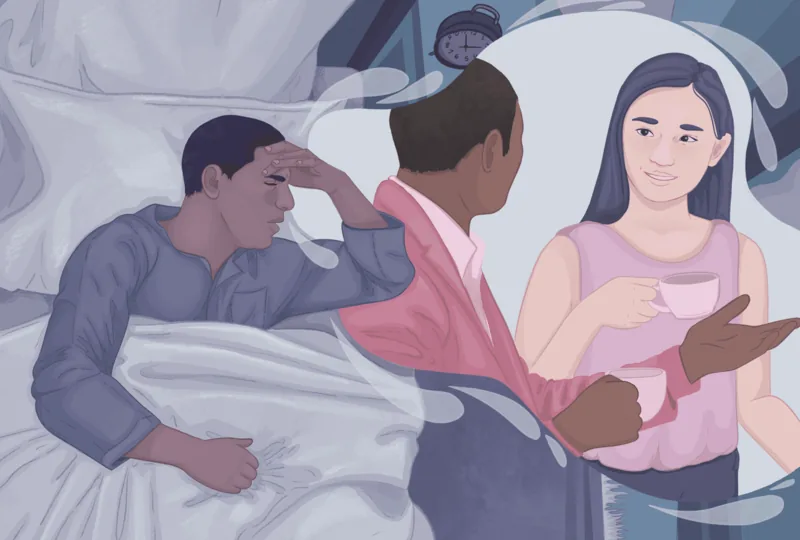
Have you ever wondered how survivors find their way back to safety after experiencing sexual trauma? The journey requires both courage and practical tools to manage and navigate the complex aftermath.
Sexual trauma affects both physical and psychological health, with approximately one in five women and one in four men in the United States experiencing unwanted sexual contact. Children are particularly vulnerable, with one in nine girls and one in 53 boys under 18 facing assault from adults. This guide provides compassionate strategies to help survivors and their supporters understand how to manage and navigate the healing process effectively.
Understanding Sexual Trauma Responses
When the body experiences extreme stress, it produces cortisol--the hormone that helps us respond to danger. Following sexual violence, elevated cortisol levels can create a constant state of alertness, even without immediate threats. This physiological response explains why survivors often experience what experts call toxic stress, where the body remains in fight-or-flight mode long after the traumatic event has passed.
Learning how to manage and navigate these physiological responses is crucial for healing. Research shows that approximately 50% of North American women demonstrate symptoms of sexual trauma, though responses vary significantly between individuals. Some survivors show immediate, obvious symptoms, while others may appear unaffected initially, with symptoms emerging weeks or months later.
Recognizing Symptoms and Effects
Sexual trauma manifests across physical, psychological, and emotional dimensions. Understanding these symptoms helps survivors recognize that their experiences are valid responses to trauma, not personal failures.
Physical Manifestations
Hyperarousal--a state of constant physiological alertness--commonly affects survivors. This might include:
- Chronic sleep disturbances or nightmares
- Unexplained headaches or migraines
- Digestive issues and stomach discomfort
- Chest pain or heart palpitations
- Difficulty concentrating on daily tasks
New research suggests that survivors might also experience sensory sensitivities, such as heightened reactions to touch, sounds, or smells that remind them of the trauma (Harvard, 2024).
Psychological and Emotional Impact
The mental health consequences can be profound and varied:
- Intrusive thoughts or flashbacks of the traumatic event
- Emotional numbness or dissociation from feelings
- Avoidance of people, places, or activities that trigger memories
- Sudden emotional outbursts that feel uncontrollable
- Increased risk of self-harm or substance use as coping mechanisms
Personality changes often occur, such as previously outgoing individuals becoming withdrawn or cautious people becoming excessively anxious. These shifts represent the psyche's attempt to protect itself from further harm.
Practical Strategies for Daily Management
Learning how to manage and navigate daily life after trauma requires both professional support and personal coping strategies. Here are approaches that survivors have found helpful:
Grounding techniques can help during moments of distress. One effective method involves naming five things you can see, four things you can touch, three things you can hear, two things you can smell, and one thing you can taste. This sensory exercise brings attention back to the present moment.
Boundary setting becomes essential for rebuilding safety. This might mean clearly communicating physical boundaries with friends and family, or establishing emotional boundaries about what topics feel safe to discuss. One survivor found that creating a "safe word" with trusted friends helped her communicate when she needed space without lengthy explanations.
Creative expression through art, writing, or movement can provide outlets for emotions that feel too complex for words. Research indicates that expressive therapies help process trauma without requiring direct verbalization of painful memories (Mayo Clinic, 2023).
Professional Treatment Approaches
While personal strategies are valuable, professional guidance provides essential support for learning how to manage and navigate the healing journey effectively.
Therapeutic Interventions
Cognitive-Behavioral Therapy (CBT) helps identify and challenge negative thought patterns that develop after trauma. By examining the connections between thoughts, feelings, and behaviors, survivors can develop healthier coping mechanisms.
Group therapy offers community and validation from others who understand the experience firsthand. Sharing stories in a safe, facilitated environment reduces feelings of isolation and provides practical insights from peers at different stages of healing.
Psychodynamic therapy explores how past experiences, including trauma, influence current relationships and self-perception. This approach can be particularly helpful for addressing deep-seated emotional conflicts and rebuilding self-esteem.
Medication and Integrated Approaches
Selective serotonin reuptake inhibitors (SSRIs) can help regulate mood, sleep, and appetite when prescribed appropriately. These medications are often used alongside therapy to address symptoms of depression, anxiety, or PTSD that commonly accompany sexual trauma.
Integrative approaches combining therapy, mindfulness practices, and somatic experiencing--which focuses on bodily sensations rather than narrative--show promising results for trauma recovery. These methods help survivors reconnect with their bodies in safe, controlled ways.
Building a Support System
Healing rarely happens in isolation. Developing a network of support is crucial for learning how to manage and navigate the ups and downs of recovery.
Trusted friends and family members can provide practical support, whether that means accompanying you to appointments or simply being present without pressure to discuss the trauma. Professional support networks, including therapists specializing in trauma and support groups, offer structured environments for processing experiences.
National resources like the RAINN National Sexual Assault Hotline (1-800-656-4673) provide immediate, confidential support. Local organizations often offer sliding-scale therapy, support groups, and advocacy services tailored to survivors' specific needs.
Remember that healing isn't linear--progress often involves steps forward and occasional steps back. What matters most is developing compassion for yourself throughout the process and recognizing that learning how to manage and navigate sexual trauma is a courageous act of self-preservation.