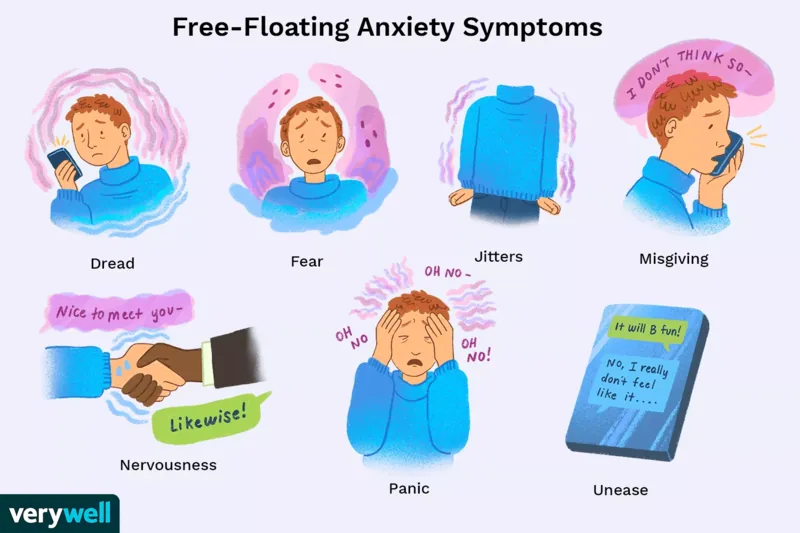
According to recent research, nearly 40% of adults globally report experiencing anxiety symptoms that affect their daily life (World Health Organization, 2023). While many can pinpoint the source of their stress, a unique and often bewildering experience is a general sense of unease not tied to any particular object or specific situation. This phenomenon is commonly known as free-floating anxiety.
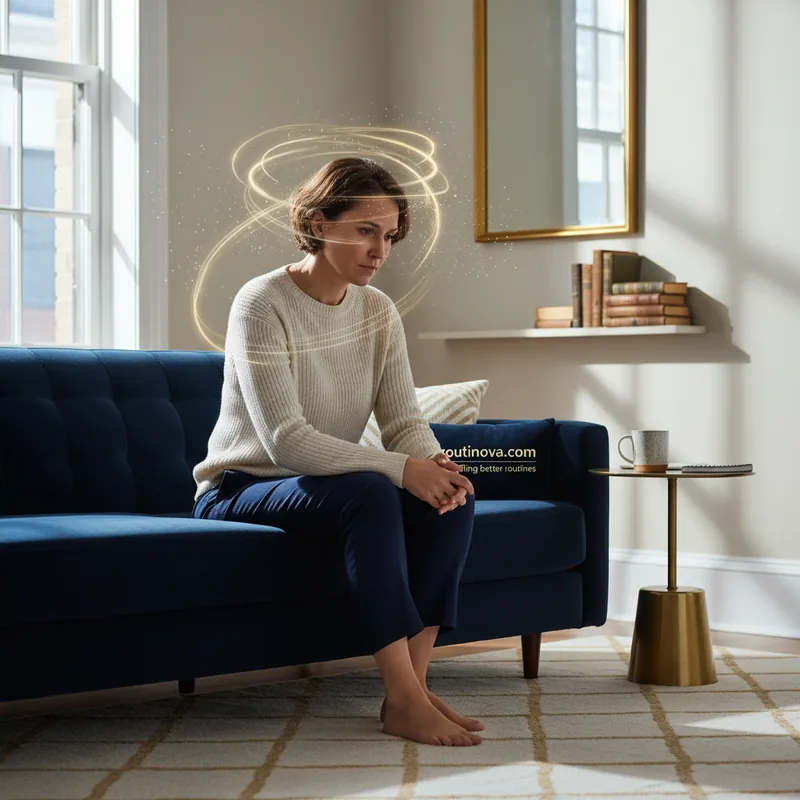
So, what is free-floating anxiety? It is a pervasive feeling of discomfort, nervousness, worry, and dread that appears for seemingly no discernible reason. Unlike situational anxiety, which might arise before a public speech or a job interview, free-floating anxiety lacks a clear trigger, leaving individuals feeling perpetually on edge without understanding why.
Recognizing the Subtle Signs
Free-floating anxiety manifests through a range of unsettling emotions and physical sensations. These feelings can ebb and flow, making them particularly challenging to address since there's no obvious external cause. It's crucial to understand these indicators to differentiate this experience from other forms of anxiety.
Key characteristics include feelings of:
- Persistent worry or apprehension
- Restlessness and an inability to relax
- A general sense of dread or impending doom
- Irritability and heightened sensitivity
- Difficulty concentrating or focusing
- Muscle tension and unexplained aches
- Sleep disturbances, such as insomnia or restless sleep
- Fatigue, even after adequate rest
These symptoms often overlap with Generalized Anxiety Disorder (GAD), a condition characterized by persistent and excessive anxiety about a wide variety of everyday things. For instance, you might wake up with an inexplicable sense of dread before a completely normal workday, even though nothing specific is scheduled that would cause worry (Routinova Editorial, 2024). Another common experience is feeling an unsettling sense of impending doom while engaged in a relaxing activity, like reading a book on a quiet afternoon, without any logical reason for the fear (Routinova Editorial, 2024). Furthermore, individuals might find themselves caught in a constant, low-level worry about vague future possibilities, despite their current life circumstances being stable and secure (Routinova Editorial, 2024).
Navigating Diagnosis
If you consistently experience symptoms of free-floating anxiety, consulting a healthcare professional is a vital first step. A doctor will typically begin with a physical examination and lab tests to rule out any underlying medical conditions that could mimic anxiety symptoms. Conditions such as hyperthyroidism, diabetes, chronic pain, or even certain substance use disorders can significantly impact mood and anxiety levels.
Following medical clearance, your doctor will delve into your mental health history, asking detailed questions about the nature, frequency, duration, and severity of your anxiety symptoms. This comprehensive assessment helps differentiate free-floating anxiety from other anxiety disorders. While free-floating anxiety is not a standalone diagnosis in the *Diagnostic and Statistical Manual of Mental Disorders* (DSM-5), it is often a prominent feature of conditions like Generalized Anxiety Disorder, panic disorder, social anxiety disorder, or specific phobias. A thorough evaluation ensures an accurate diagnosis and appropriate treatment plan.
Exploring Underlying Factors
The precise origins of free-floating anxiety, particularly when associated with Generalized Anxiety Disorder, are complex and multi-faceted. Research indicates that a combination of biological, genetic, and environmental elements can contribute to its development.
Brain Chemistry: Differences in brain structure and neurotransmitter systems play a significant role. Imbalances in serotonin, norepinephrine, and gamma-aminobutyric acid (GABA) can affect mood regulation and anxiety responses. The amygdala, a brain structure central to processing emotions like fear, is also thought to contribute to heightened feelings of anxiety (Harvard Health, 2023).
Genetics: A predisposition to anxiety can be inherited. Individuals with close family members who have anxiety disorders or other mental health conditions are statistically more likely to develop similar issues themselves (Mayo Clinic, 2023). This suggests a genetic component, though specific genes are still under investigation.
Life Experiences: Past negative or traumatic experiences can profoundly shape an individual's response to stress and contribute to a persistent anxious state. Childhood trauma, significant life changes, or chronic stress can sensitize the brain, making one more susceptible to free-floating anxiety.
Upbringing and Learned Behaviors: The environment in which a person is raised can also be a factor. Children exposed to parents or caregivers who modeled anxious behaviors or who were overly critical or protective may be more prone to developing elevated anxiety levels in adulthood. These learned responses can become ingrained patterns.
Globally, anxiety disorders affect a substantial portion of the population, with Generalized Anxiety Disorder being particularly prevalent. It tends to be more common in women than in men, highlighting potential gender-specific biological or societal influences.
The Ripple Effect on Your Life
Living with free-floating anxiety can have a profound and detrimental impact on various aspects of a person's life. The constant state of worry elevates stress levels, which can significantly compromise overall physical and mental health. This sustained internal pressure can lead to a cascade of negative effects.
One immediate consequence is disrupted sleep patterns. The mind, constantly racing with vague worries, struggles to achieve restful sleep, leading to daytime fatigue, reduced cognitive function, and diminished productivity. Beyond physical symptoms, the pervasive sense of unease can severely diminish one's quality of life. Individuals may find it challenging to fully enjoy experiences, often feeling disconnected or preoccupied, leading to lower overall life satisfaction and happiness.
Furthermore, untreated free-floating anxiety can contribute to a range of other serious problems. These include the development of depression, an increase in chronic headaches, social withdrawal, and even an elevated risk of substance misuse as individuals attempt to self-medicate their distress. In severe cases, persistent anxiety can also contribute to relationship problems and, tragically, thoughts of self-harm or suicide. Recognizing these potential impacts underscores the importance of seeking timely intervention.
Effective Treatment Approaches
Fortunately, highly effective treatments are available for managing free-floating anxiety and associated conditions. If your symptoms are interfering with your daily functioning or causing significant distress, discussing options with a healthcare professional is paramount. A tailored treatment plan can significantly alleviate symptoms and improve quality of life.
Psychotherapy: Cognitive-Behavioral Therapy (CBT) stands out as one of the most effective psychotherapeutic interventions for Generalized Anxiety Disorder and its manifestations. CBT helps individuals identify and challenge the automatic negative thought patterns that fuel anxiety. By learning to recognize these unhelpful cognitive distortions, patients can work towards replacing them with more balanced and constructive ways of thinking, thereby reducing anxious responses.
Medications: In conjunction with therapy, or as a standalone treatment in some cases, medication can provide substantial relief. Your doctor may prescribe pharmaceuticals to help regulate brain chemistry and manage anxiety symptoms:
- Selective Serotonin Reuptake Inhibitors (SSRIs): Often used as antidepressants, SSRIs are also highly effective in treating anxiety by increasing serotonin levels in the brain.
- Buspirone (BuSpar): This anti-anxiety medication works differently from SSRIs and is specifically prescribed to alleviate chronic anxiety symptoms.
- Benzodiazepines: These medications are potent anxiolytics that can provide rapid relief from acute anxiety. However, due to their potential for dependence, they are typically prescribed for short-term use only.
Daily Strategies for Calm
Whether your free-floating anxiety is a persistent companion or an occasional visitor, there are practical strategies you can integrate into your daily life to better cope with these unsettling feelings. These self-management techniques can complement professional treatment or serve as valuable tools for general well-being.
- Avoid Unhealthy Coping Mechanisms: While substances like alcohol or recreational drugs might offer temporary escape, they ultimately exacerbate anxiety and create additional problems in the long run. Focus on sustainable, healthy coping.
- Prioritize a Nutritious Diet: Emerging research suggests a strong link between gut health, nutrition, and mental well-being. A balanced diet rich in whole foods, fruits, and vegetables can positively influence mood and reduce anxiety symptoms (Harvard, 2024).
- Engage in Regular Physical Activity: Exercise is a powerful antidote to anxiety. Studies consistently show that physical activity helps release tension, reduces stress hormones, and promotes the production of endorphins, which have mood-boosting effects (Mayo Clinic, 2023).
- Practice Relaxation Techniques: Incorporating relaxation into your routine can significantly lower overall anxiety levels. Techniques such as meditation, mindfulness, deep breathing exercises, progressive muscle relaxation, and visualization can help calm the nervous system and shift focus away from worries.
- Limit Caffeine and Nicotine: Both caffeine and nicotine are stimulants that can intensify feelings of anxiety and nervousness. Reducing or eliminating these substances can lead to a noticeable decrease in anxious sensations.
It's also important to approach complementary and alternative medicine (CAM) treatments with caution. While some, like St. John's wort, are sometimes explored for anxiety, they can carry serious risks and interactions with prescribed medications. Always consult your healthcare provider before trying any supplement or alternative treatment to ensure safety and efficacy.
Taking the Next Step
Free-floating anxiety, with its elusive nature, can be incredibly distressing and is often a signal of an underlying anxiety disorder. If you are experiencing persistent feelings of unease and worry that lack a specific cause, it is crucial to reach out to your doctor or a mental health professional. Anxiety rarely resolves on its own and tends to worsen over time, potentially leading to avoidance behaviors that can severely impair your life and ability to function.
Effective treatments are readily available, offering pathways to understanding and managing your anxiety. This includes various online therapy options that provide convenient and accessible tools for learning coping mechanisms and cognitive strategies. Taking the step to seek help is a testament to your resilience and commitment to your well-being. If you or a loved one are struggling with anxiety, resources exist to provide support and guide you toward a calmer, more fulfilling life.