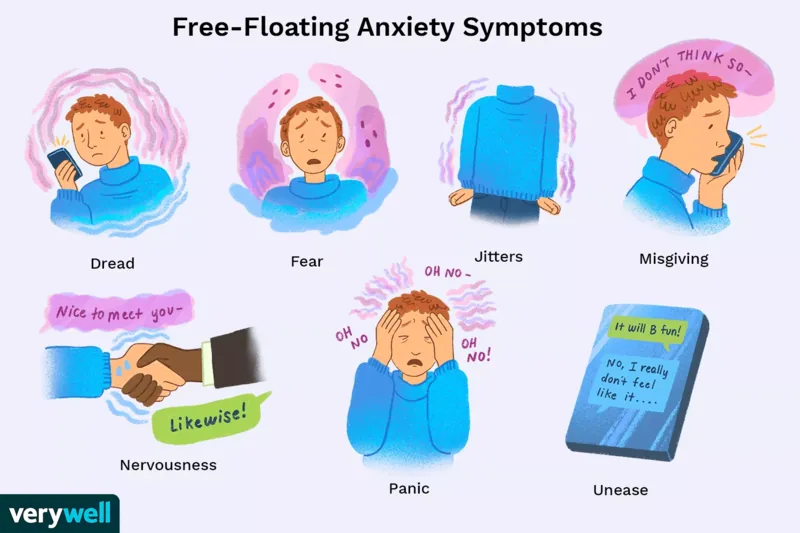
While often confused due to overlapping symptoms like excessive worry, panic disorder and generalized anxiety disorder (GAD) are distinct mental health conditions requiring different approaches to understanding and treatment. It's crucial to grasp how panic disorder GAD manifest uniquely, even when they appear similar on the surface. Understanding how panic disorder GAD symptoms differ is the first step toward effective management and improved well-being (Harvard, 2024).
Understanding Panic Disorder: Sudden Surges of Fear
Panic disorder is defined by recurrent, unexpected panic attacks that strike without any apparent external danger. These attacks are abrupt surges of intense fear or discomfort that reach a peak within minutes, often accompanied by a range of distressing physical and psychological symptoms. The "Diagnostic and Statistical Manual of Mental Disorders" (DSM-5) outlines these as including a racing heart, shortness of breath, chest pain, dizziness, trembling, sweating, and feelings of unreality or detachment (American Psychiatric Association, 2013).
Imagine a sudden wave of terror hitting you while you're simply grocery shopping, causing your heart to pound uncontrollably, your hands to tingle, and an overwhelming fear that you might be having a heart attack or losing control. These episodes are not tied to specific triggers and can feel completely out of the blue. The intense fear during a panic attack often leads to a profound sense of impending doom or a fear of "going crazy" (Mayo Clinic, 2023).
A central feature of panic disorder is the persistent worry about having another panic attack. This anticipatory anxiety can become so consuming that individuals begin to alter their behavior, sometimes leading to the development of agoraphobia. This involves avoiding situations or places where they fear a panic attack might occur or where escape might be difficult, such as crowded places, public transportation, or even leaving their home.
Generalized Anxiety Disorder (GAD): Pervasive, Persistent Worry
In contrast, Generalized Anxiety Disorder (GAD) is characterized by excessive, uncontrollable worry about various aspects of everyday life. This isn't just occasional stress; it's a persistent state of apprehension that is difficult to manage and significantly interferes with daily functioning. The worry in GAD often revolves around common life circumstances--finances, work performance, family health, or minor daily tasks--rather than the acute fear of specific events.
For someone with GAD, worrisome thoughts can feel relentless, making it hard to concentrate, relax, or even enjoy leisure activities. Consider someone constantly replaying conversations from work, convinced they said something wrong, or endlessly worrying about their child's school performance despite good grades. This pervasive anxiety must persist for at least six months for a diagnosis, highlighting its chronic nature (Harvard, 2024).
While GAD may not involve the sudden, intense physical symptoms of a panic attack, it does manifest with its own set of physical discomforts. These often include chronic headaches, muscle tension, fatigue, restlessness, irritability, and sleep disturbances like difficulty falling or staying asleep. Digestive issues, such as diarrhea or stomach upset, are also common, reflecting the body's prolonged state of heightened alert.
Distinguishing the Two: How Panic Disorder and GAD Differ
While both conditions involve anxiety and worry, the crucial distinction lies in the nature and focus of that anxiety. The core difference in how panic disorder GAD present is the timing and intensity of symptoms. Panic disorder is marked by acute, sudden, and often unexpected episodes of intense fear, where the primary worry is about the attack itself or its perceived consequences (e.g., dying, losing control).
GAD, conversely, is characterized by a more chronic, pervasive, and often less intense but persistent state of worry. The anxiety in GAD is typically focused on a multitude of everyday concerns, not specifically on the onset of a panic attack. The physical symptoms also differ: panic attacks feature dramatic, sudden physiological responses, while GAD involves more generalized, ongoing physical tension and discomfort.
For instance, a person with panic disorder might avoid driving on highways after experiencing a panic attack behind the wheel, fearing another sudden episode. A person with GAD, however, might spend hours each day worrying about the safety of their car, even if it's perfectly maintained, or fretting over the possibility of a minor fender bender on their daily commute. Both experience anxiety related to driving, but the underlying fear and manifestation are distinct.
The Overlap: When Panic Disorder and GAD Coexist
It is entirely possible, and in fact quite common, for individuals to experience both panic disorder and GAD simultaneously. The presence of one anxiety disorder can increase the likelihood of developing another. A person might experience daily, low-grade worry about finances (GAD) but also suffer from sudden, debilitating panic attacks when faced with a public speaking engagement (Panic Disorder). This dual presentation can make diagnosis and treatment more complex, as symptoms from both conditions need to be addressed comprehensively.
Furthermore, panic disorder and GAD frequently co-occur with other mental health conditions, including major depressive disorder, other anxiety disorders like social anxiety disorder, or substance use disorders. This complex interplay underscores the importance of a thorough evaluation by a mental healthcare professional. It is also vital to rule out any underlying medical conditions, such as hyperthyroidism, heart disease, or neurological issues, which can sometimes mimic anxiety symptoms (Mayo Clinic, 2023).
Seeking professional help ensures an accurate diagnosis and the development of an effective, personalized treatment plan. Understanding how panic disorder GAD interact and manifest is key to navigating these challenging conditions and working towards better mental health.