Imagine you're at a holiday party, watching a colleague who was perfectly articulate an hour ago now struggling to form complete sentences. Their coordination has deteriorated, and their judgment seems impaired. This transformation isn't just social drinking--it's intoxication in action, a physiological state that alters both mind and body in ways we often underestimate.
What Is Intoxication?
Understanding what is intoxication begins with recognizing it as a temporary but significant alteration in physical and mental functioning caused by substances like alcohol or drugs. When someone asks "what is intoxication?" they're usually referring to that noticeable shift where normal cognitive and motor functions become impaired. This state occurs when substances enter the bloodstream faster than the body can metabolize them, affecting the central nervous system and altering perception, judgment, and physical coordination.
The experience of intoxication varies dramatically between individuals. Consider two different scenarios: a college student experiencing their first significant alcohol consumption at a party versus a seasoned professional who regularly has wine with dinner. Both might technically be intoxicated at similar blood alcohol levels, but their outward manifestations and internal experiences differ substantially due to factors like tolerance, body composition, and drinking patterns.
Recognizing the Signs and Symptoms
Identifying intoxication requires attention to both obvious and subtle indicators. While many people associate intoxication primarily with alcohol, similar patterns emerge with various substances, though the specific manifestations differ.
Physical Manifestations
The most visible signs include impaired coordination, slurred speech, and unsteady gait. These occur because substances depress the central nervous system, slowing neural communication between the brain and muscles. You might notice someone repeatedly stumbling, having difficulty with fine motor skills like buttoning a shirt, or exhibiting delayed reaction times. In workplace settings, this might manifest as someone struggling with routine tasks they normally perform effortlessly.
Cognitive and Emotional Changes
Beyond physical symptoms, intoxication significantly alters thinking and emotional regulation. Common cognitive changes include impaired judgment, reduced inhibitions, and difficulty with concentration and memory. Emotionally, people may experience exaggerated moods--either heightened euphoria or unexpected irritability. These changes explain why intoxicated individuals often make decisions they'd normally avoid, like sending inappropriate messages or engaging in risky behaviors.
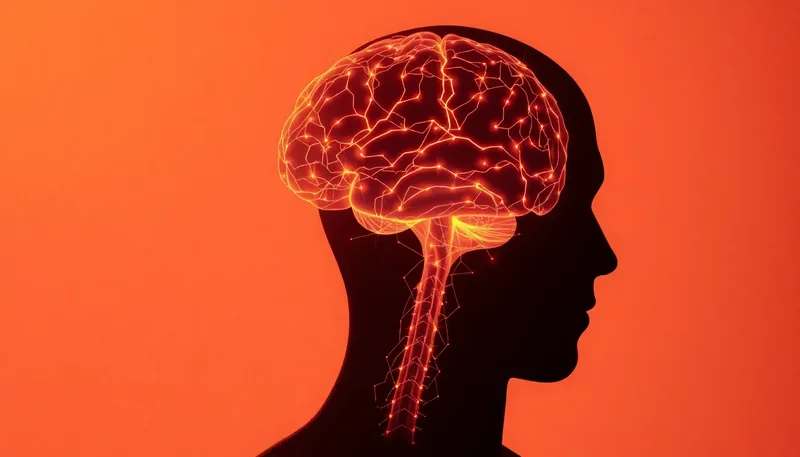
New research suggests that even mild intoxication can impair complex decision-making more than we previously understood. A 2023 study published in the Journal of Neuroscience found that alcohol affects the prefrontal cortex--the brain region responsible for judgment and impulse control--more significantly than other areas, explaining why intoxicated people often make poor choices despite understanding potential consequences.
Factors Influencing Intoxication
Understanding what is intoxication requires recognizing that it's not a one-size-fits-all experience. Multiple factors determine how substances affect individuals, making some people more susceptible than others.
Biological factors play a crucial role. Body weight, metabolism, gender, and genetic makeup all influence how quickly someone becomes intoxicated and how severely they experience effects. For instance, individuals with certain genetic variations in alcohol dehydrogenase enzymes may metabolize alcohol more slowly, leading to prolonged intoxication from smaller amounts.
Environmental and situational factors also matter significantly. Drinking on an empty stomach accelerates intoxication, as does consuming beverages quickly. The social context matters too--people often drink more in celebratory settings than they would alone. Cultural drinking practices vary dramatically; consider the difference between Mediterranean cultures where wine accompanies meals versus binge-drinking patterns common in some college environments.
Medication interactions represent a particularly dangerous factor. Many prescription and over-the-counter medications can dramatically enhance alcohol's effects. For example, combining alcohol with common anxiety medications can create dangerous synergy, potentially leading to respiratory depression. Always consult healthcare providers about potential interactions, as these combinations account for numerous emergency room visits annually.
Health Risks and Consequences
Regular intoxication carries significant health risks that extend beyond immediate impairment. Understanding these consequences helps contextualize why managing intoxication matters for long-term wellbeing.
Immediate physical risks include alcohol poisoning--a medical emergency characterized by confusion, vomiting, seizures, slow breathing, and hypothermia. Severe intoxication can suppress the gag reflex, increasing choking risk if someone vomits while unconscious. These acute dangers explain why never leaving an intoxicated person alone is crucial medical advice.
Long-term health consequences develop with repeated intoxication episodes. Chronic heavy drinking increases risks for liver disease, cardiovascular problems, neurological damage, and certain cancers. The National Institutes of Health reports that alcohol contributes to approximately 95,000 deaths annually in the United States, making it a leading preventable cause of mortality.
Social and professional impacts often receive less attention but prove equally significant. Intoxication can damage relationships, jeopardize employment, and lead to legal consequences. Consider the professional who loses career opportunities due to intoxication-related incidents or the parent whose impaired judgment affects family dynamics. These consequences ripple through lives in ways that extend far beyond physical health.
Recovery and Safety Strategies
When intoxication occurs, proper management minimizes risks and supports recovery. These strategies balance immediate safety with longer-term wellbeing considerations.
Immediate safety measures should always prioritize preventing harm. If someone shows signs of severe intoxication--especially if they're unconscious, breathing irregularly, or having seizures--call emergency services immediately. For less severe cases, ensure the person remains in a safe position (on their side to prevent choking), monitor their breathing, and keep them warm. Never attempt to "sober someone up" with coffee or cold showers--these don't reverse intoxication and may create additional risks.
Supportive recovery practices help the body process substances safely. Hydration with water or electrolyte solutions supports liver and kidney function. Light, easily digestible foods can stabilize blood sugar. Rest in a safe environment allows the body to metabolize substances naturally. Avoid additional alcohol or medications unless specifically recommended by a healthcare provider.
Preventive strategies for future situations include understanding personal limits, alternating alcoholic drinks with water, eating before and during drinking, and planning transportation in advance. Many people find that tracking their consumption through apps or journals increases awareness and helps maintain control.
When Professional Help Becomes Necessary
Recognizing when intoxication patterns indicate deeper issues is crucial for long-term health. Several signs suggest when professional support might be beneficial.
Frequent intoxication, especially when it interferes with responsibilities or relationships, may indicate substance use concerns. Difficulty controlling consumption despite negative consequences, experiencing withdrawal symptoms when not using, or needing increasing amounts to achieve the same effect all warrant professional evaluation. These patterns don't necessarily indicate addiction but suggest that current approaches to substance use aren't supporting optimal wellbeing.
Modern treatment approaches have evolved significantly. Today's options include outpatient programs that integrate with daily life, medication-assisted treatments that reduce cravings, and therapy approaches that address underlying factors contributing to substance use. The most effective approaches typically combine multiple strategies tailored to individual needs and circumstances.
Understanding what is intoxication ultimately means recognizing it as a complex interplay between substances, individual biology, and environmental factors. By approaching intoxication with both scientific understanding and practical wisdom, we can make informed choices that support health and wellbeing for ourselves and those around us.