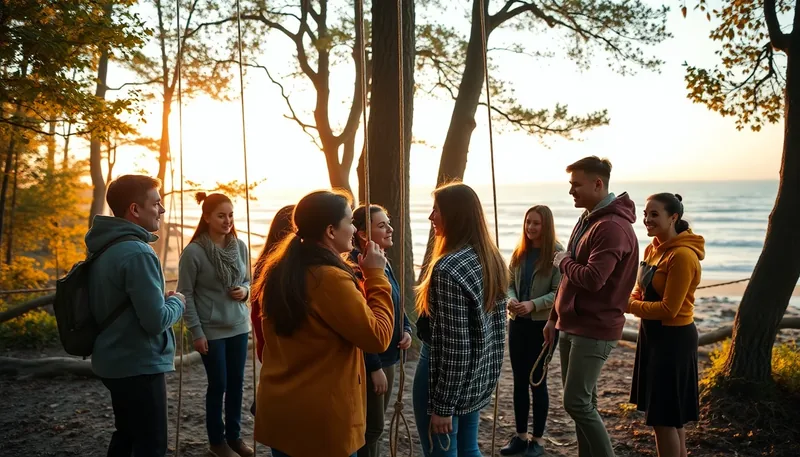
In the realm of mental health treatment, innovative approaches constantly emerge, offering new pathways to healing and personal growth. Among these, adventure therapy stands out as a unique and powerful modality. It harnesses the inherent challenges and restorative qualities of the natural world to facilitate profound psychological and behavioral change. But what to know about this experiential form of therapy, and how does engaging with the outdoors contribute to mental well-being?
Adventure therapy involves structured outdoor experiences, guided by mental health professionals, designed to engage individuals, families, and groups on physical, cognitive, emotional, and behavioral levels. These encounters, often set in natural environments, aim to help participants confront self-limiting beliefs, understand risk and reward, and develop essential life skills. This article delves into the core principles of adventure therapy, exploring its various forms, therapeutic techniques, and the significant benefits it offers to those seeking a different kind of healing journey.
Understanding Adventure Therapy Approaches
Adventure therapy draws inspiration from models like the Outward Bound Process, which emphasizes overcoming challenges and taking responsibility for one's actions. Research has shown promising outcomes, with participants demonstrating better long-term behavioral changes compared to traditional intensive outpatient programs (Clinical Study, 1968). To truly grasp what to know about this field, it's essential to understand its distinct types and the fundamental techniques employed.
Diverse Types of Adventure Therapy
While the overarching goal remains consistent, adventure therapy manifests in three primary forms, each with a unique structure and intensity (Research, 2020):
Wilderness Therapy: This intensive approach typically occurs in remote natural settings, involving small groups over multiple days or weeks. Participants engage in activities like backpacking through national parks or navigating challenging terrains. The group composition usually remains stable, fostering deep bonds and consistent therapeutic processing. These programs often mirror the rigorous, self-discovery principles of Outward Bound.
Adventure-Based Therapy: Often integrated into existing treatment programs, such as intensive outpatient or residential facilities, this type utilizes outdoor activities closer to the treatment site. Examples include ropes courses at a local park, guided rock climbing on a man-made wall, or group kayaking on a calm lake. Group dynamics may be more fluid as participants enter and exit the facility, and activities can be specifically designed to target particular therapeutic goals.
Long-Term Residential Camping: This extended model places individuals in outdoor camps or unique mobile units, such as learning to sail on clipper ships, for periods often extending up to a year. The focus is on developing a positive peer culture, confronting daily living challenges, and experiencing the natural consequences of actions in a supportive, consistent environment.
Core Techniques and Principles
The efficacy of adventure therapy stems from its adherence to several core tenets that differentiate it from traditional talk therapy (Research, 2020):
Action-Centered Approach: Unlike the static environment of a therapy room, adventure therapy immerses individuals in a dynamic, holistic setting. This allows therapists to observe body language and behavioral patterns in real-time, providing a richer understanding of a client's challenges and strengths. For instance, observing how a group navigates a challenging trail reveals communication styles and leadership traits.
Unfamiliar Environment: Moving clients out of their comfort zones and familiar surroundings can reduce resistance to change. The novelty of the outdoor setting encourages new perspectives and fosters an openness to trying different behaviors and coping strategies.
Climate of "Eustress": Adventure therapy intentionally introduces "good stress" or eustress. Successfully overcoming physical or mental challenges in the outdoors provides tangible evidence of one's capacity for change, resilience, and personal growth, reinforcing self-belief.
Enhanced Assessment Capabilities: Observing clients in natural, demanding situations offers therapists a comprehensive view of their coping mechanisms, problem-solving skills, and interpersonal dynamics that might not surface in a clinical office. A therapist might notice a client's tendency to withdraw under pressure during a group shelter-building exercise.
Small Group Development: The collaborative nature of many adventure activities fosters community building and emphasizes interdependence. Participants learn to consider others' needs, communicate effectively, and experience shared success, strengthening social skills.
Focus on Strengths and Successful Behaviors: Rather than solely dwelling on deficits, adventure therapy highlights and builds upon an individual's existing strengths and positive behaviors. Achieving a difficult climb or navigating a tricky river section showcases competence and empowers participants.
Altered Role of the Therapist: In this setting, the therapist often participates alongside clients in challenges, leveling the playing field. This shared experience can reduce perceived power imbalances, fostering trust and a more collaborative therapeutic relationship.
The Therapeutic Impact and Benefits
The immersive nature of adventure therapy allows it to address a broad spectrum of mental health conditions and yield significant personal benefits. What to know about its efficacy spans both clinical symptom reduction and crucial interpersonal development.
Conditions Adventure Therapy Can Support
Adventure therapy has shown promise in supporting individuals grappling with various challenges (Journal of Program Planning, 2016):
Depression
Trauma and Post-Traumatic Stress Disorder (PTSD)
Grief and loss
Substance use disorders
Schizophrenia
Broader Personal Benefits
Beyond addressing specific diagnoses, adventure therapy offers a wealth of benefits focused on enhancing self-perception, communication, and overall well-being:
Reducing Feelings of Suicidality: Engaging in physical activity in nature, such as mountain hiking, has been linked to a reduction in suicidal thoughts among high-risk patients (Acta Psychiatrica Scandinavica, 2012).
Decreasing Symptoms of Depression: The combination of physical activity, social interaction, and exposure to nature can significantly alleviate depressive symptoms.
Reducing a Sense of Hopelessness: Successfully overcoming challenges in the outdoors instills a sense of accomplishment and future orientation, combating feelings of hopelessness.
Promoting Feelings of Self-Efficacy: Each challenge met reinforces an individual's belief in their ability to succeed and cope with difficulties, building confidence.
Improving Communication and Interpersonal Skills: Group-based activities necessitate clear communication, active listening, and collaboration, honing vital social competencies.
If you are experiencing suicidal thoughts, please seek immediate help. Contact the National Suicide Prevention Lifeline at 988 for confidential support and assistance from a trained counselor. If you or a loved one are in immediate danger, call 911.
Effectiveness and Important Considerations
The evidence supporting adventure therapy is compelling, yet there are practical factors and ethical considerations that prospective participants must understand. What to know about its proven impact and potential hurdles is crucial for informed decision-making.
The Evidence of Effectiveness
Extensive research underscores the positive impact of adventure therapy:
A meta-analysis of nearly 200 studies involving almost 3,000 participants revealed that adventure therapy groups showed significantly greater positive change compared to those receiving alternative treatments or no treatment (Therapeutic Outcomes Journal, 2013).
Participants in short-term adventure therapy programs demonstrated sustained positive changes, maintaining improvements when evaluated around the six-month mark (Therapeutic Outcomes Journal, 2013).
Specific populations have shown marked improvement, including at-risk youth (Journal of Program Planning, 2016), individuals with combat-related PTSD (Psychiatry Research, 2013), and those struggling with body image issues (Women & Therapy Journal, 1994).
Practical and Ethical Considerations
Despite its benefits, several factors can make adventure therapy challenging to access:
Cost and Insurance Coverage: Adventure and wilderness therapy programs are often expensive, ranging from $500 to $1,000 per day, and are frequently not covered by health insurance. This can make them inaccessible to many, although some grant programs exist.
Time Commitment: Many programs require a significant time commitment, from several days to a year, which may not be feasible for everyone due to work, family, or academic obligations.
Ethical Concerns: There have been reports of ethical issues within the broader addiction treatment industry that can sometimes extend to related programs (Social Science Research Network, 2021). Thorough research is vital before committing to any program.
Accessibility as a Modality: Many adventure therapy components are integrated into higher levels of care, such as residential treatment or intensive outpatient programs. This means it's often not available as a standalone, regular outpatient therapy.
Key Questions to Ask
When considering a program, ask critical questions to ensure it's the right fit and ethically sound:
Does the program specifically address the mental health concern you are seeking help for?
How does the program measure and define "success" for its participants?
Are the skills taught transferable and applicable to daily life outside the program?
Is the program accredited by reputable bodies, such as the Outdoor Behavioral Healthcare Council?
Navigating Your Path to Adventure Therapy
Embarking on an adventure therapy journey requires careful preparation and consideration. What to know about the initial steps can help ensure a positive and effective experience.
Initial Consultation and Assessment
Before enrolling in an intensive program, it's highly recommended to discuss this option with your current therapist or a trusted mental health professional. Together, you can weigh the pros and cons, assessing if the physical and emotional rigors of this type of therapy are appropriate for your specific needs and physical capabilities. A candid evaluation of your mental health history, including past therapies or medications, is crucial for determining suitability.
Finding Reputable Programs
Given that many adventure therapy programs are privately funded, online searches can lead to heavy marketing. A reliable starting point is to consult programs listed with the Outdoor Behavioral Healthcare Council (OBHC). The OBHC is an accrediting body that vets programs, ensuring they meet certain standards of care and ethical practice.
The Intake Process
Once you've identified a potential program, expect an intake session. This is a mutual assessment period where both you (or your child) and the program staff determine if there is a correct fit. Be prepared to openly discuss your mental health history, previous treatments, and any medications you are currently taking. This ensures the program can tailor its approach to your unique circumstances and provide the most effective support.