Ever felt a persistent whisper that there’s more to you than meets the eye, a deeper self longing to be understood? You're not alone. A recent study revealed that nearly 60% of adults experience feelings of unfulfillment or a lack of purpose, even when external life seems stable (Pew Research, 2023). This isn't just a fleeting thought; it's a profound human yearning for meaning and connection to something greater within. It’s a call from the unconscious, a realm Carl Jung believed held the keys to our deepest selves and true potential.
So, what is Jungian therapy, and how can it help you answer that call? It’s a powerful form of psychotherapy rooted in the groundbreaking theories of Swiss psychiatrist Carl Jung. He observed that many of his patients grappled with deep feelings of gloom and inadequacy, believing that traditional psychology had overlooked the crucial, divine spark within people—what he termed the 'Self'. This approach isn't about quick fixes; it's about a profound journey into your inner world, using tools like art, myth, and dream analysis to access hidden feelings, thoughts, and beliefs. It delves into the unconscious mind, which Jung understood as a major force shaping our conscious thoughts and behaviors.
Today, therapists continue to use Jungian therapy to guide individuals through challenges like depression, anxiety, and low self-esteem. Because it embraces a holistic view of the person, rather than just treating symptoms, it often proves invaluable for those who haven't found lasting success with other therapeutic approaches. It’s an invitation to explore the rich tapestry of your psyche and discover the authentic self waiting beneath the surface.
Unlocking the Unconscious: Key Jungian Techniques
Jungian therapy isn't about passively listening; it’s an active exploration, often involving creative and symbolic methods. Your therapist acts as a guide, helping you interpret the personal significance of dreams, symbols, and even ancient myths. This journey into your unconscious mind is rarely a sprint; it’s a gradual unfolding, revealing the hidden material that influences your daily life.
Here are some of the core techniques you might encounter:
- Dream Analysis: This is arguably the most iconic method in Jungian analysis. Dreams, for Jung, were direct messages from the unconscious, offering insights into unresolved conflicts, emerging potentials, and repressed emotions. You might be encouraged to keep a dream journal by your bedside, noting down every detail upon waking, as dreams tend to fade quickly. For example, a recurring dream of being lost in a dense forest might symbolize a current feeling of disorientation or a search for direction in your waking life.
- Active Imagination: Imagine stepping into your dream or a powerful image from your unconscious and interacting with it. This technique allows you to consciously engage with unconscious material. By imagining yourself in scenes that represent your inner world, you can explore their meaning and integrate their wisdom. For instance, if you constantly hear an inner critic, you might use active imagination to visualize this critic and engage in a dialogue, understanding its origins and transforming its influence.
- Art and Creative Expression: Sometimes words fall short. Art provides a direct conduit to the unconscious, allowing you to express feelings and images that are difficult to articulate verbally. Through painting, drawing, sculpting, or even sandplay, you can explore your self-image and the symbols and themes that arise when focusing on a specific issue. Creating a vibrant, chaotic painting to represent overwhelming stress, for example, can be a powerful way to externalize and begin to process that emotion.
- Word Association: This technique involves saying the very first word or image that comes to mind after hearing a specific prompt word. The speed and nature of your responses can reveal unconscious thoughts, feelings, and complexes that influence your behavior and reactions. Hesitations or unusual responses might point to emotionally charged areas that warrant further exploration.
Each of these techniques offers a unique window into your psyche, helping you understand the complex interplay between your conscious and unconscious worlds. They are not just exercises; they are pathways to deeper self-knowledge and personal transformation.
Beyond Symptoms: Who Benefits and Why
Wondering if Jungian therapy could be the right path for you? This approach often resonates most deeply with individuals who are genuinely interested in self-exploration, personal growth, and understanding the 'why' behind their experiences, not just alleviating symptoms. It’s crucial to understand that what is Jungian therapy is not a quick-fix solution, but rather a profound tool for delving into the depths of your psyche.
A Jungian therapist won't hand you a roadmap or direct instructions. Instead, they’ll guide you in discovering the root causes of your issues, using your own dreams, fantasies, art, and active imagination as compass points. This collaborative journey can assist in addressing a wide range of unresolved emotional issues and psychological challenges. While not a universal cure-all, it offers significant support for:
- Depression and persistent feelings of sadness
- Anxiety disorders, including phobias and obsessive-compulsive tendencies
- Personality disorders and struggles with identity
- Psychosomatic illnesses, where psychological stress manifests physically
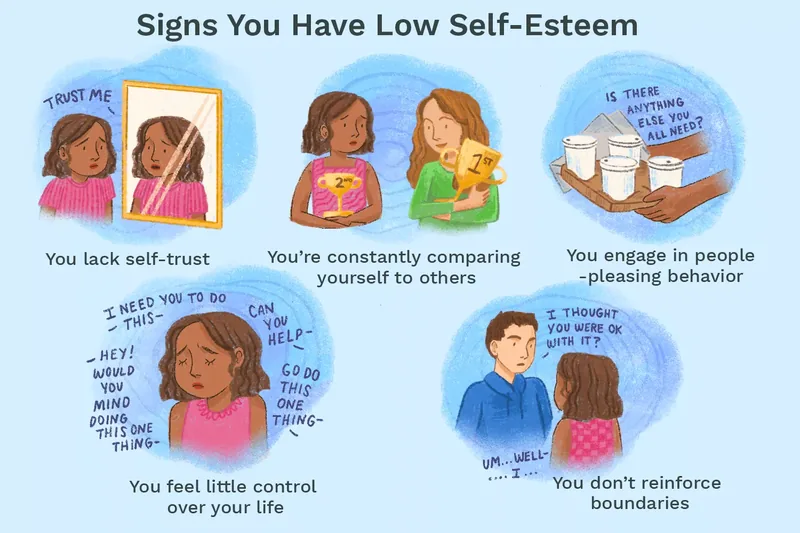
- Low self-esteem and a lack of self-worth
The benefits extend far beyond symptom reduction. Imagine peeling back layers of an onion to discover the vibrant core of who you truly are. That’s the promise of Jungian therapy. Once you begin to understand your subconscious mind, you often feel a greater sense of control and empowerment. You can tap into this deep well of knowledge and inspiration, making more conscious and positive changes throughout your life.
Furthermore, Jungian therapy provides a uniquely safe and non-judgmental space. You can explore issues you might be afraid to discuss with friends or family, knowing your therapist offers unconditional acceptance. This freedom allows for honest confrontation with difficult emotions and memories, fostering true healing without fear of repercussion. It also helps you build a more meaningful and satisfying life. Jung’s concept of the collective unconscious suggests we are all interconnected, and this therapy can help you explore and understand that profound connection on a deep level. You'll begin to see the bigger picture, understanding how your individual role intersects with those around you, and even with humanity and our planet as a whole.
The Journey Ahead: Effectiveness and Considerations
Embarking on a journey of deep self-discovery with Jungian therapy requires commitment, but the potential rewards are substantial. A comprehensive review study in 2013 highlighted the significant effectiveness of Jungian psychotherapy. Patients showed remarkable improvements in symptom levels, interpersonal relationships, and overall personality structure (Roesler, 2013). What's more, these positive changes weren't fleeting; they were sustained for up to six years post-therapy, with some studies even noting continued improvements after treatment concluded. Patients also demonstrated reduced healthcare utilization, moving from severe symptoms towards psychological health (Roesler, 2013). On average, participants in these studies attended around 90 sessions, underscoring the depth and duration often involved in this transformative work.
However, what is Jungian therapy might not be the ideal path for everyone. If you find yourself uncomfortable with symbolism, metaphors, or the subjective nature of your inner experiences, this type of therapy might not be the best fit. It demands a willingness to engage with the less tangible aspects of your psyche, which can feel challenging for those who prefer more direct, concrete approaches.
Finding the right Jungian therapist is another crucial consideration. This specialized field means practitioners may be less common than those offering other forms of therapy. It's worth investing the time to research and seek recommendations. The International Association for Analytical Psychology (IAAP) is an excellent starting point for locating qualified analysts. If you're already in therapy, don't hesitate to ask your current therapist if they are familiar with Jungian psychology or can offer a referral.
During your initial intake session, you and your prospective therapist will begin to build the foundational therapeutic relationship. They'll likely ask about your background, family history, and current concerns to determine the most helpful approaches. Be prepared for a significant commitment: Jungian therapy typically spans several years, with sessions occurring at least once a week. Due to its intensive nature and duration, costs can accumulate. Ensuring you have adequate insurance coverage or the financial means to support this journey is a practical step to consider before you begin.
“One does not become enlightened by imagining figures of light, but by making the darkness conscious.” — Carl Jung
Jungian therapy offers a profound opportunity to make that darkness conscious, to integrate the fragmented parts of yourself, and ultimately, to live a more authentic and meaningful life.