It's a Saturday afternoon. Your niece, usually bright-eyed and energetic, is scrolling through social media, a subtle frown creasing her brow. She glances at her reflection, then back at the perfectly posed, heavily filtered images of influencers -- some not much older than her, others clearly adults -- their clothes tighter, their expressions more 'sultry' than playful. You catch a snippet of a conversation where she's comparing her developing body to theirs, a quiet sigh escaping her lips. This isn't just about fleeting trends; it's a window into a pervasive cultural current. The sexualization of young girls is a deeply ingrained societal issue that carries a heavy toll, influencing everything from their self-perception and cognitive functioning to their physical and mental well-being, often perpetuating cycles of violence and intense societal pressure.
The Subtle & Overt Faces of Sexualization
Sexualization creeps into a girl's life through countless avenues, often without us even realizing the full extent of its reach. It's when society, or even individuals, implicitly or explicitly teaches a girl that her primary value stems from her sexual appeal or behavior. It's when she's seen as an object, rather than a whole person, or when sexuality is imposed upon her in ways that are simply inappropriate for her age.
Media's Mirror: Distorted Reflections
Think about the sheer volume of images and messages girls encounter daily. It's not just adult content; sexualization appears in children's TV shows, movies, advertisements, video games, retail clothing lines, and the curated feeds of social media. Girls see female role models, often barely older than themselves, dressing provocatively, posing in suggestive ways, and engaging in sexually charged conversations. This constant exposure can create immense pressure.
We see it in the clothing market, where children's brands might sell padded bras for pre-teen girls or makeup kits marketed to toddlers, blurring the lines between childhood innocence and adult sensuality. On social media platforms like TikTok and Instagram, young girls feel compelled to mimic the poses and behaviors of adult influencers to gain followers or acceptance. When girls are bombarded with these unrealistic portrayals, especially of those their own age, it inevitably leads to internal conflict, confusion, and even a deep sense of self-loathing. They struggle to develop a healthy understanding of what they're seeing and hearing, often internalizing these portrayals in profoundly unhealthy ways (Ng, 2016).
Personal Interactions: Unintended Harm
Beyond the media's pervasive influence, sexualization often occurs in closer, more personal circles. Friends, family members, or acquaintances might inadvertently objectify a young girl. Consider a scenario where a young girl is constantly complimented only on her appearance, her developing body, or how 'pretty' she looks, rather than her intelligence, kindness, or achievements. Or perhaps she's taught to act in a submissive way, implicitly learning to define herself through a sexual and patriarchal lens, rather than embracing what feels authentic to her.
We may not even realize we're doing this, as many of us grew up steeped in certain gender stereotypes. But here's the thing: these subtle comments, these seemingly innocent observations, teach girls to objectify themselves. They send a powerful message that their value is tied to external validation of their sexual appeal. It's incredibly valuable to become aware of what you are saying to a young woman in your life. Be careful not to imply that she is only valued for her body, her looks, or how 'femininely' she presents herself. This is a critical step in understanding how sexualizing young girls impacts their core identity.
The Crushing Weight: Mental Health Impacts
It's no secret that girls often face a higher incidence of mental health challenges than boys. A significant contributing factor is undoubtedly how sexualization shapes their self-perception and overall self-worth. Experiencing sexualization or objectification can trigger a storm of emotions, potentially leading to anxiety, depression, or even post-traumatic stress disorder (PTSD) (APA Task Force, 2007).
The continued sexualization of young girls reinforces harmful gender stereotypes, creating a fertile ground for a host of mental health issues. We're talking about low self-esteem, chronic anxiety, eating disorders, depression, self-harm, and, tragically, even suicidal thoughts. These aren't just isolated symptoms; they often arise from girls internalizing the sexualized messages they receive. They may not fully grasp what's happening or possess the tools to address it. When girls don't know how to interpret this barrage of sexualized information about themselves and their bodies, they may turn inward, inflicting harm to release the immense stress they're experiencing.
Erosion of Self-Worth: Low Self-Esteem
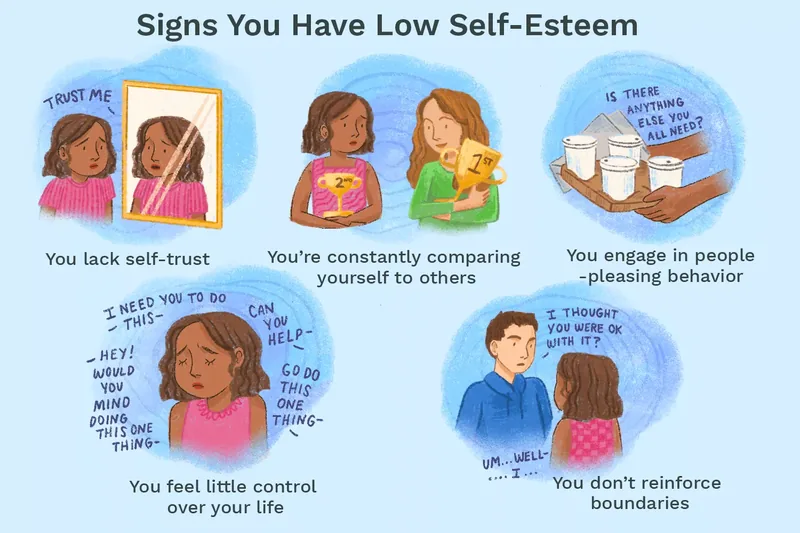
Low self-esteem is a silent epidemic among young girls. It manifests as a heightened sensitivity to criticism, a desire to withdraw from social events, hostile behaviors, chronic exhaustion, migraines, and a relentless stream of negative self-talk. Girls struggling with low self-esteem are more likely to falter academically and socially, leading to poor grades and difficulties in decision-making. This erosion of self-worth is a direct consequence of being taught, implicitly or explicitly, that their value is tied to superficial traits rather than their inherent capabilities.
The Grip of Anxiety and Depression
Anxiety in children can be harder to spot than in adults. If you notice a girl avoiding sleepovers or birthday parties, struggling to follow directions, having sudden outbursts of anger, nail-biting, lip chewing, frequent urination, restlessness, changes in eating habits, or irritability, these could be red flags for anxiety. Similarly, girls tend to experience depressive episodes more often than boys, sometimes starting at a very young age. Depression can show up as feelings of hopelessness, anger, or irritability, low energy, extreme sensitivity to rejection, self-criticism, or a loss of interest in activities she once loved, like family time, friends, or school.
Dangerous Coping: Eating Disorders & Self-Harm
Eating disorders are complex, often stemming from a confluence of issues including poor body image, low self-esteem, anxiety, perfectionism, and trauma. Societal beauty standards, amplified by sexualized media, play a major role as girls constantly see idealized body types that often bear no resemblance to their own. Warning signs include excessive exercise, unusual food habits (restriction or excess), high stress levels, and sudden weight changes.
Some studies indicate that girls are more likely to engage in self-harm than boys (Monto et al., 2018). This includes any intentional injury to oneself, such as cutting or burning the skin. If you suspect a girl is self-injuring, it's crucial to reach out to a parent, counselor, or mental health professional immediately. These behaviors are often a desperate attempt to cope with overwhelming internal stress, a stress that is frequently exacerbated by the pressures of sexualization.
The Gravest Concern: Suicidal Thoughts
For teenagers, suicide has become a leading cause of death, with rates among female youth rising rapidly in recent years (Ruch et al., 2019). Warning signs can include depression, withdrawal from family or friends, drastic personality changes, distress, rebellious behavior, or a history of substance abuse or mental illness. If a girl has given away cherished possessions or has talked about suicide, even in a joking manner, it's a serious indicator that she may be grappling with suicidal thoughts. Many girls deal with mental health issues that go unnoticed, making it vital to pay close attention to dramatic shifts in mood, behavior, personality, and interests. If a girl who once loved soccer suddenly hates it, it's time to find out why.
Beyond the Psyche: Sexualized Violence
When girls and women are viewed, portrayed, or treated as objects, it's a short, dangerous leap to self-objectification. This can be profoundly damaging psychologically, especially when girls begin to prioritize physical attractiveness or sexual worthiness above their intelligence and personal well-being. Carrie Baker, JD, PhD, author and advocate, starkly notes that sexual objectification dehumanizes girls and women, which contributes toward rape culture and violence against women. When a young girl's mental health is compromised, she becomes tragically vulnerable to manipulation, false promises, violent acts, and mistreatment.
Every girl, regardless of her social standing or geographical location, is susceptible to sexual harassment, sexual assault, sexual abuse, prostitution, and sex trafficking. All these horrific realities can stem directly from the normalization of sexualization. Studies reveal that girls and women constitute 80% of sex trafficking victims in the United States (Deshpande & Nour, 2013). Often, girls are forced into trafficking through violence, threats, or even coercive marriages. Others are tragically lured into the industry with false promises of financial support, romantic love, or other misleading opportunities. This is the harrowing endpoint of a culture that fails to protect children from being sexualized.
Shifting the Narrative: Empowering Girls
The sexual exploitation of girls is a global crisis, and halting the sexualization of girls demands widespread systematic and societal transformation. One powerful change involves elevating more women to positions of power in media and politics. This can ensure more realistic and respectful portrayals of women in media, alongside the enactment of stronger protective laws. But here's the good news: you don't need to be a politician or a media mogul to make a difference. On a personal level, you can cultivate a deeper awareness of how your own actions, or those of your loved ones, might be impacting a young girl in your life.
What You Can Do
If you're looking to truly support and empower girls, there are concrete steps you can take. Provide mentorship, offer access to programs or activities that genuinely build self-esteem, and advocate for mental health services. The more openly we discuss the pervasive problems associated with sexualization, the better. The #MeToo movement, for instance, has ignited crucial conversations about sexual harassment, sexual assault, and consent, fostering greater awareness among girls about their right to bodily autonomy. As Baker points out, Adult women who speak out and claim their right to be free from sexual harassment and assault serve as role models for girls.
When to Seek Help
Ultimately, preventing sexualized violence requires dismantling the demand for child pornography, prostitution, and underage trafficked victims. But as an individual, you still hold the power to change the narrative. You can contribute to ending the sexualization of young girls by carefully rethinking your actions, behaviors, and words. As a parent, one of the most impactful things you can do is engage in open, honest conversations with your child (regardless of gender) about the harms of sexualization. And if you ever see signs of a mental health issue, contacting a professional right away is paramount.
If you or someone you know is having suicidal thoughts, please reach out for help. Contact the National Suicide Prevention Lifeline at 988 for support and assistance from a trained counselor. If you or a loved one are in immediate danger, please call 911.